January 4, 2026
The Art of Winter Photography: Finding Beauty in the Bleak
Once the festive lights come down and the pristine snow melts away, winter often leaves us with a landscape that feels flat, gray, and barren.
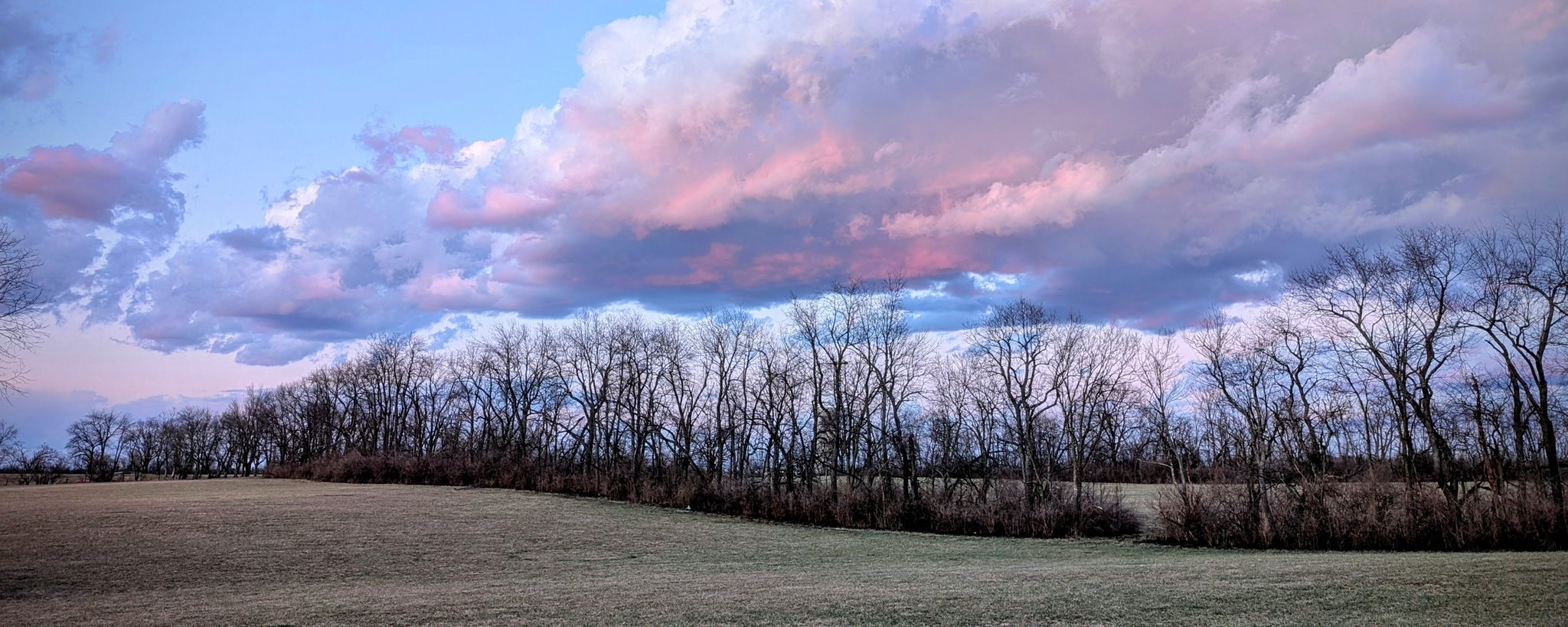
Once the festive lights come down and the pristine snow melts away, winter often leaves us with a landscape that feels flat, gray, and barren. It is easy to pack the camera away during these lulls of the season, but doing so means missing out on a subtle, quiet kind of beauty. In this blog post, we’ll explore how to look past the drab colors and discover the stunning textures, moods, and compositions that only exist during the blandest winter days.
1. Think in Black and White: When the world lacks vibrant color, it is the perfect time to shoot in monochrome. Converting a gray, overcast landscape to black and white emphasizes contrast, shape, and emotion without the distraction of muddy browns or dull greens.
2. Focus on Texture: Without lush leaves to grab your attention, the details of the world pop out. Zoom in on the rough bark of an oak tree, the peeling paint of an old barn, or the grit of a frozen dirt road. Texture becomes the hero of the image.
3. Embrace Negative Space: The flat, white, or gray skies of winter act as a giant studio backdrop. Use this negative space to isolate your subjects—like a lone bird on a wire or a solitary fence post—creating a minimalist and powerful composition.
4. Tree Silhouettes: Winter reveals the "skeleton" of the landscape. Bare trees offer intricate geometric patterns that are hidden during the greener months. Photograph them against the bright sky to create stark, dramatic silhouettes.
5. The "Pop" of Color: In a muted landscape, even the smallest splash of color becomes electric. Look for bright red cardinal birds, lingering holly berries, or even a yellow traffic sign to create a striking focal point against the desaturated background.
6. Macro Frost and Ice: You don’t need a blizzard to find winter magic. On cold mornings, get close to the ground to capture the delicate crystalline structures of frost on dead grass or the intricate bubbles trapped in a frozen puddle.
7. Chase the Fog: Warmer days in winter often bring fog or mist. This atmospheric condition is a photographer's dream, as it layers the landscape, separates the foreground from the background, and adds a sense of mystery to familiar scenes.
8. Long Shadows: Because the sun stays lower in the sky during winter, you get long, dramatic shadows for much of the day, not just at sunset. Use these shadows as leading lines to draw the viewer’s eye into the frame.
9. Dried Vegetation: Dead doesn't mean ugly. Dried hydrangeas, tall ornamental grasses, and seed pods have a rustic, structural beauty that glows beautifully when backlit by the sun.
10. Reflections in the Mundane: Melting snow creates mud puddles that might look messy to the naked eye but act as perfect mirrors for the sky. Get your camera low to the ground to capture the world reflected in the water.
11. Edit for Mood: Post-processing is where a bland photo comes alive. Don’t be afraid to add a little grain, increase the contrast, or inject a cool blue or warm vintage tone into the highlights and shadows.
12. Comfort is Key: You can’t find beauty if you are miserable. Invest in fingerless gloves or photographers' mittens so you can operate your dials without freezing your hands, allowing you to stay out longer and look harder.
Winter photography is an exercise in observation and patience. It forces you to slow down and appreciate the structure of the world rather than just its surface colors. By shifting your perspective and looking for the quiet drama in the gray, you can turn the bleakest days into a portfolio of moody, artistic masterpieces. So, don't let the gray skies keep you inside—bundle up, step out, and uncover the hidden character of the winter season!
Rich Photography · Lexington, Kentucky