August 3, 2026
Best Photography Spots in Great Smoky Mountains NP - My favorite places to shoot with just iPhone
Great Smoky Mountains National Park is one of those rare places where almost every turn offers something worth photographing.
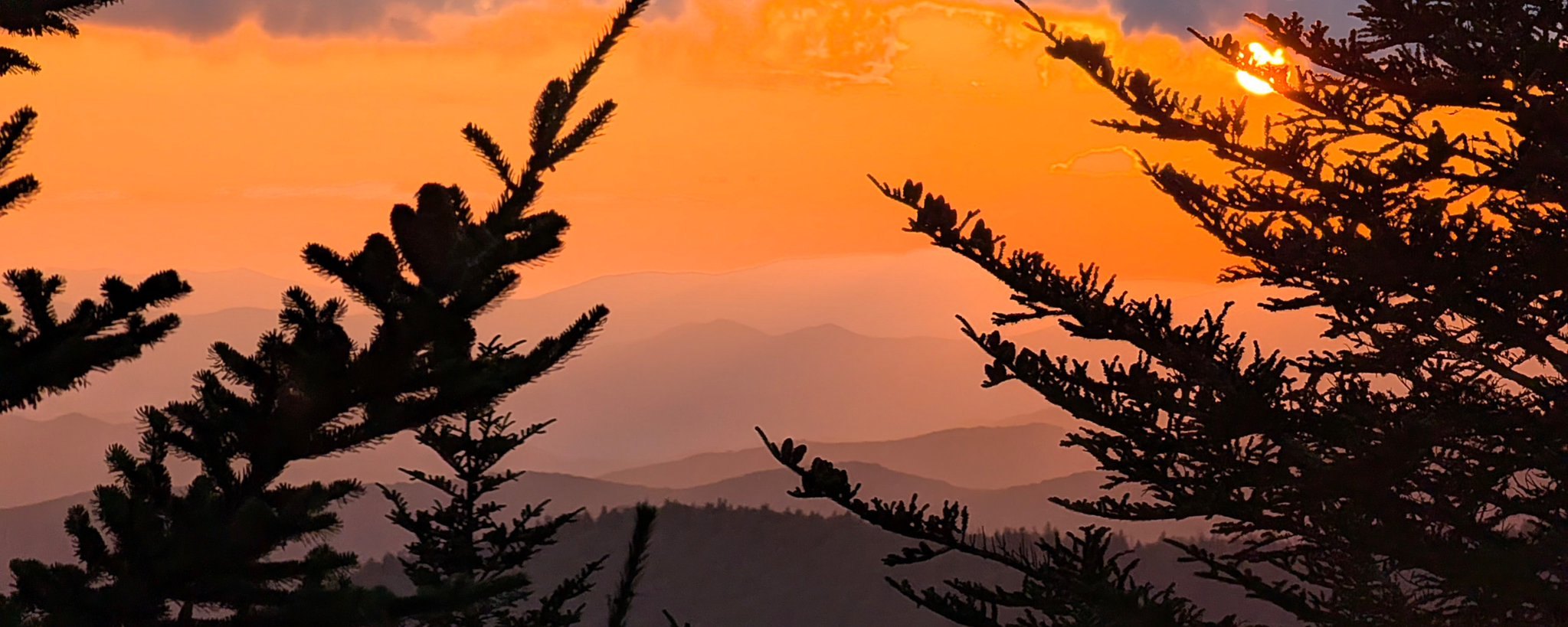
Great Smoky Mountains National Park is one of those rare places where almost every turn offers something worth photographing. The layered ridges, soft morning mist, rushing streams, and shifting light make it incredibly forgiving for phone photography. You don’t need heavy gear or perfect conditions — just a willingness to explore and a little patience. Here are some of the spots that have given me the strongest images over the years.
Cades Cove
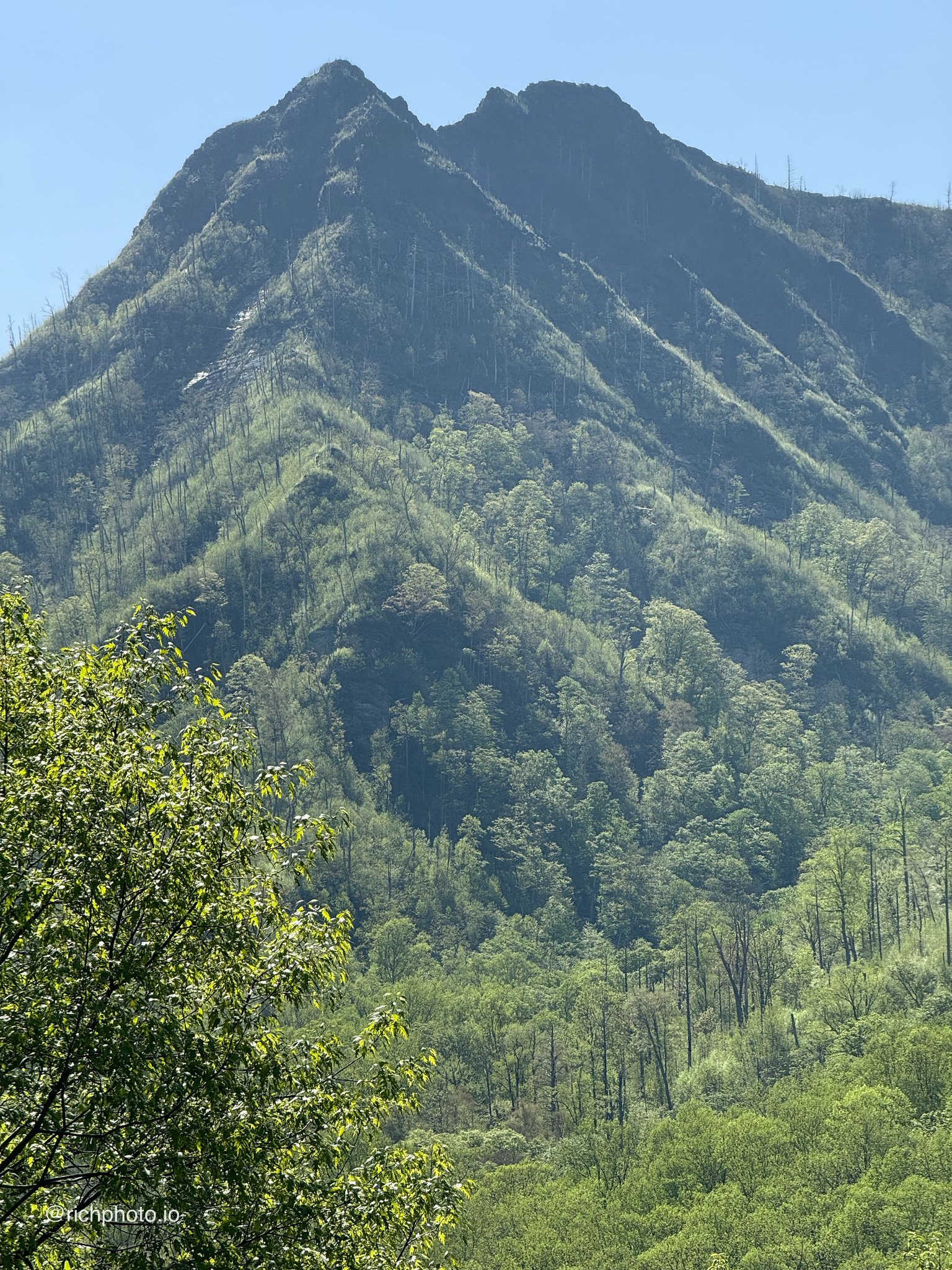
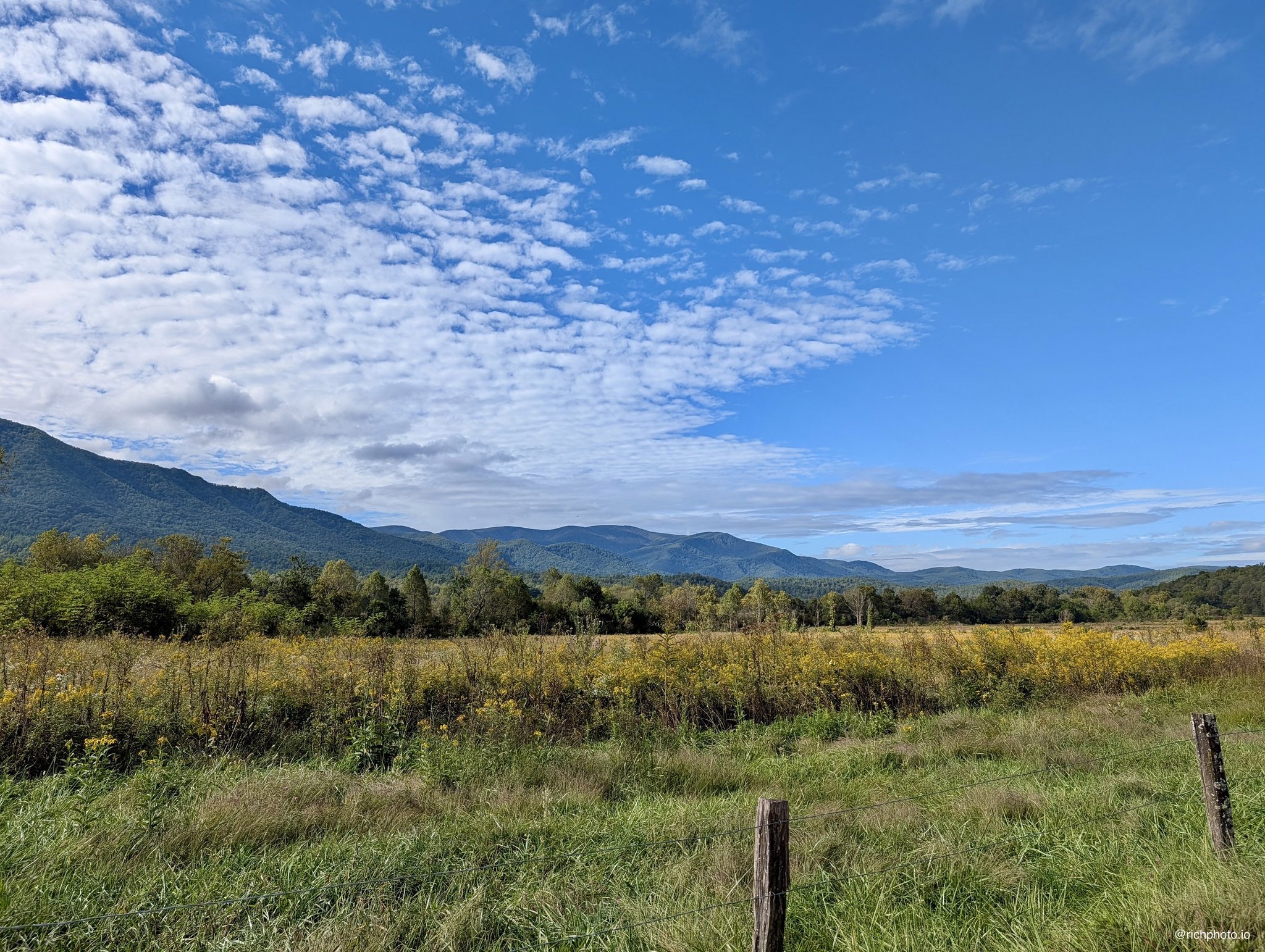
Cades Cove is the classic Smokies experience and one of the most productive places for phone photography in the park. The wide, open valley is surrounded by mountains, and the historic cabins, churches, and barns give you strong foregrounds against the ridgelines. Early morning is best — the fog often settles in the valley and soft light wraps around the mountains. Wildlife is common here too, especially deer and the occasional black bear (always keep a safe distance). Use your wide lens for sweeping valley shots and the telephoto for compressing the mountains behind the historic buildings. Drive the loop slowly and stop often; the best compositions are rarely the ones right next to the pullouts. Word of warning, expect traffic, and lots of it.
Kuwohi (formerly Clingmans Dome)
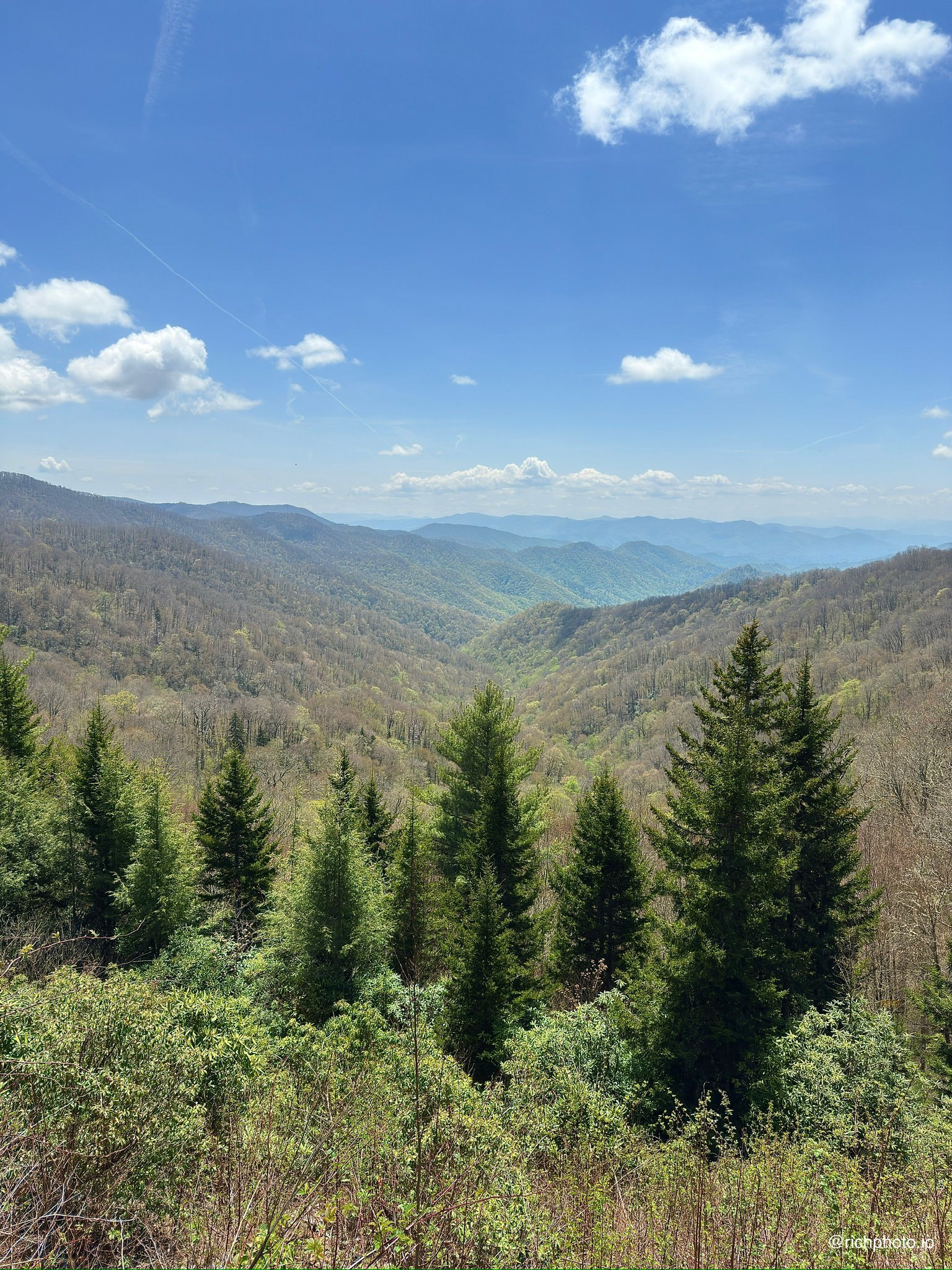
At 6,643 feet, Kuwohi is the highest point in the park and one of the most dramatic viewpoints. The observation tower gives you 360-degree views of endless mountain layers, especially powerful at sunrise or sunset. On clear days you can see for dozens of miles. In the morning the valleys below often fill with fog, creating that classic “sea of clouds” look. The short paved trail to the tower is steep but doable, and the views start improving the higher you go. Bring a light jacket — it can be 10–15 degrees cooler up here. Your iPhone’s ultrawide works great for the big landscape, while a little digital zoom can isolate individual ridges in the distance.
Newfound Gap and Morton Overlook
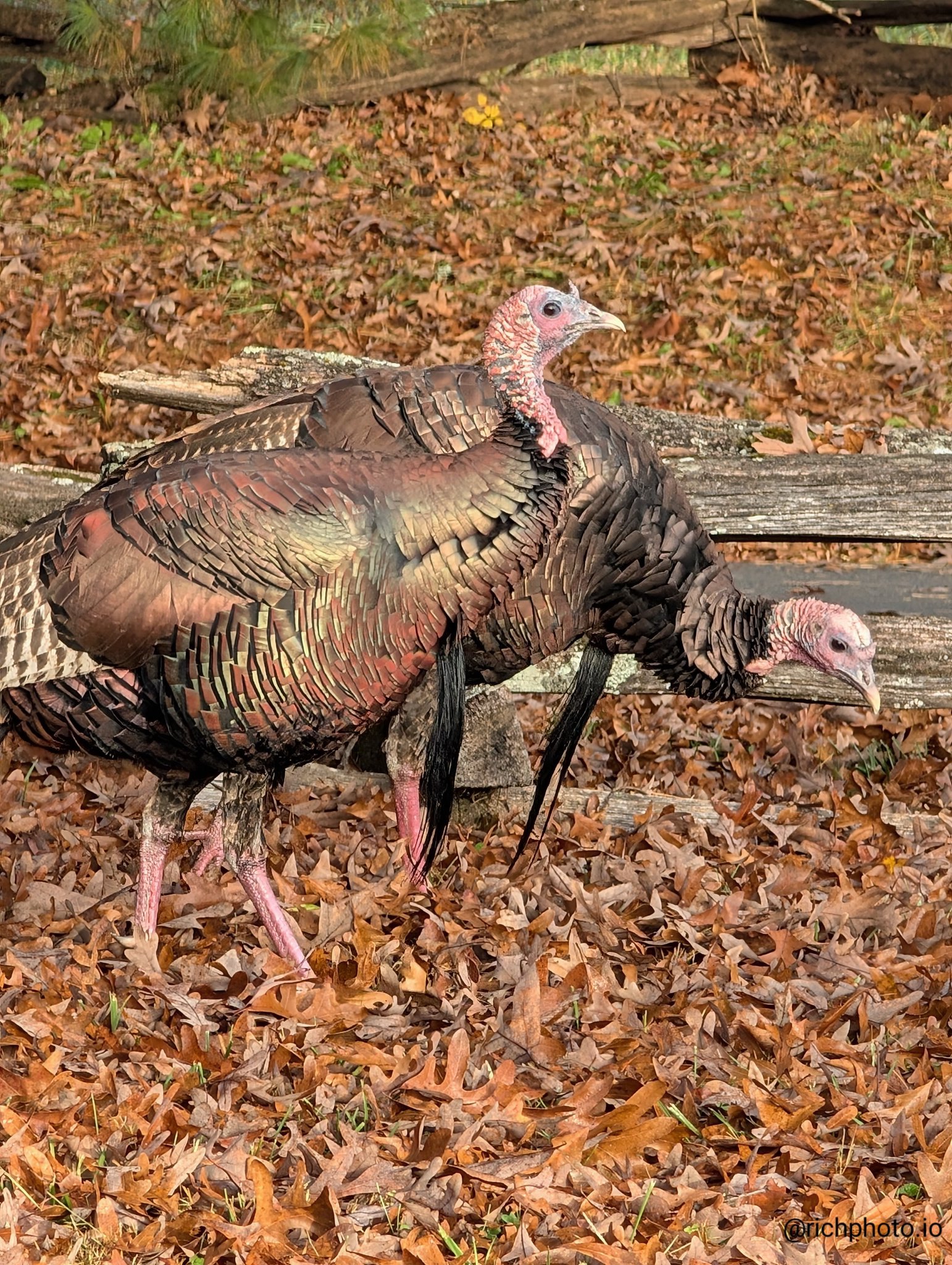
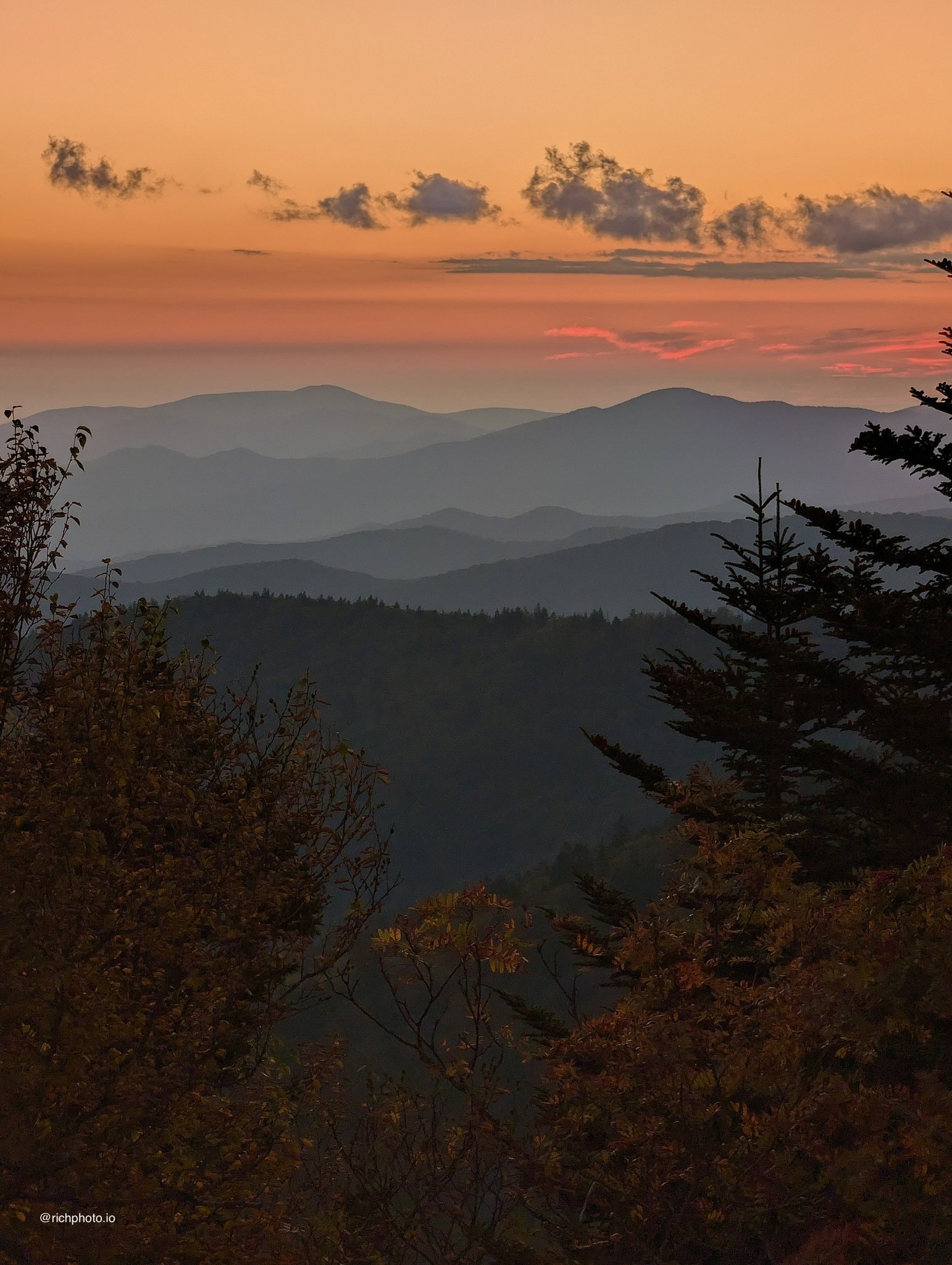
Newfound Gap sits right on the Tennessee–North Carolina border and offers some of the most reliable layered mountain views in the park. The main overlook is excellent at any time of day, but nearby Morton Overlook (just a short drive west on Newfound Gap Road) is one of my favorite sunset spots. The way the ridges stack up and catch the last light is hard to beat. Golden hour here often turns the mountains soft pink and orange. Park carefully and walk a short distance from the main pullout to find cleaner compositions without railings in the frame. This is a great place to practice using the rule of thirds and letting the layers of ridges create natural depth.
Roaring Fork Motor Nature Trail
This narrow, one-way loop near Gatlinburg is full of water, mossy rocks, and dense forest. It’s perfect for intimate landscape shots rather than big vistas. Grotto Falls is a highlight — you can actually walk behind the waterfall, which creates unique compositions. The trail also passes historic buildings and several smaller cascades. Overcast days work especially well here because the soft light brings out the rich greens and the textures in the wet rocks and water. Use long exposure techniques (Live Photo → Long Exposure in the Photos app) to smooth the water while keeping the rocks sharp. Drive slowly and stop at the smaller pullouts — some of the best stream scenes are easy to miss if you’re moving too fast.
Alum Cave Trail
The Alum Cave Trail is one of the more dramatic day hikes in the park and offers excellent photography opportunities along the way. You’ll pass Arch Rock, the distinctive Alum Cave Bluffs, and eventually reach viewpoints with big mountain vistas if you continue toward Mt. LeConte. The rock formations and steep cliffs give you strong graphic elements that work well on a phone. Early morning light on the bluffs is especially nice. This trail can be busy, so starting early helps with both parking and cleaner compositions. The varied terrain — from forest to open rock faces — means you can come away with a nice mix of intimate and expansive shots in a single outing.
Charlies Bunion
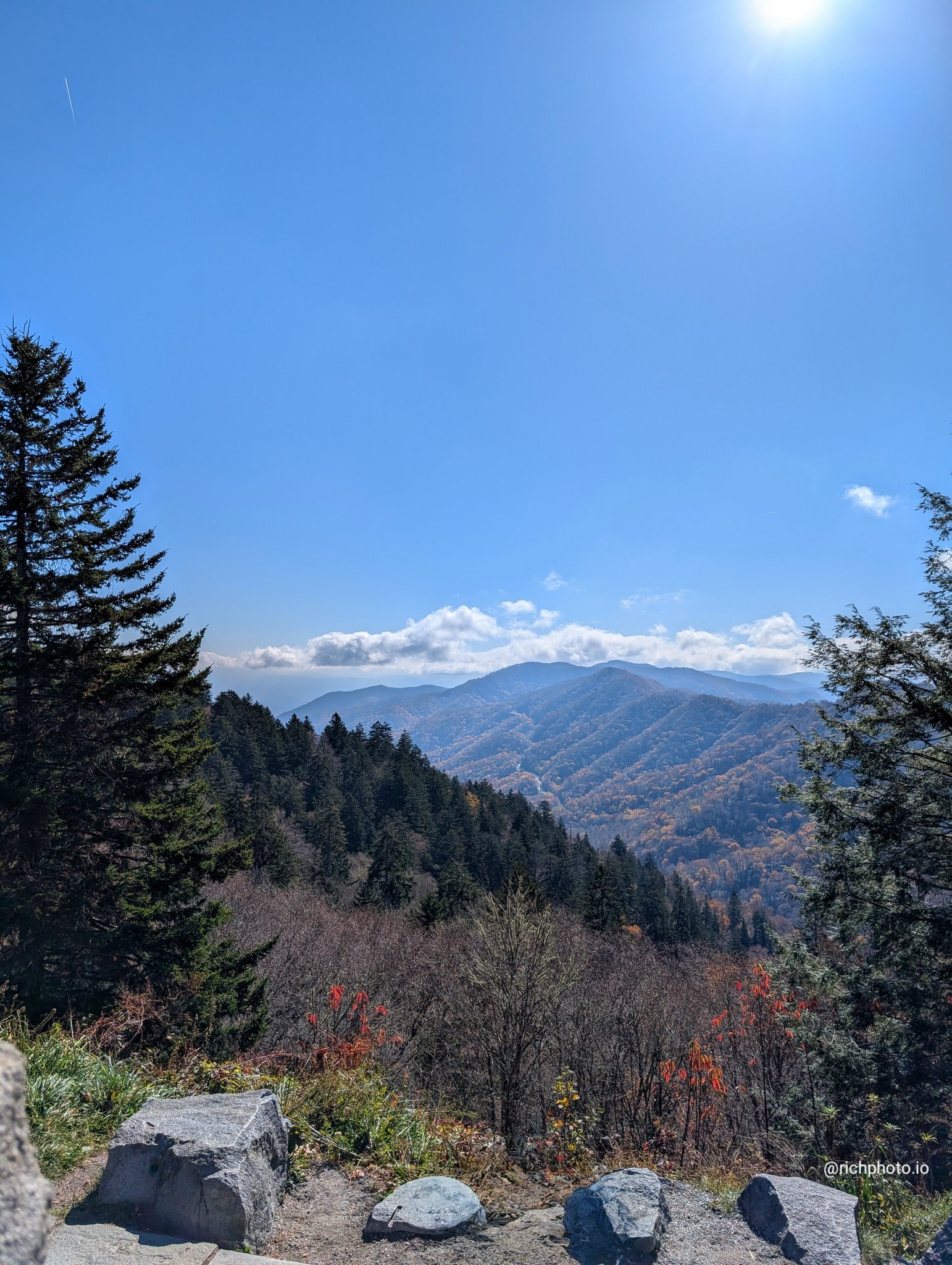
For a more rugged mountain view without the full commitment of a long overnight hike, Charlies Bunion delivers. The rocky outcrop offers sweeping views of the surrounding peaks and valleys, and the exposed rock creates interesting foreground possibilities. It’s a moderate hike from Newfound Gap, and the payoff is one of the more unique vantage points in the park. Late afternoon light works well here, casting shadows across the ridges. Be careful on the rocky sections, especially if conditions are wet. This is a great spot to practice getting low and using the rocks as leading lines into the distant mountains.
Cataloochee Valley
If you’re interested in wildlife photography with a phone, Cataloochee is one of the best places in the park. Elk are frequently seen here, especially in the early morning and evening. The open meadows and surrounding mountains create a beautiful setting, and the historic buildings add context. The valley feels quieter and more remote than Cades Cove. A longer lens (or your phone’s telephoto) helps with wildlife shots while keeping a respectful distance. Soft morning light and the occasional low fog make this area especially photogenic.
Great Smoky Mountains National Park rewards exploration. Some of my strongest images have come from simply pulling over at an unmarked overlook or walking a short distance from a popular spot until the composition felt right. The park changes constantly with the weather, the season, and the light, so the same location can look completely different on two different days. Take your time, stay flexible, and let the mountains show you what they want to give you that day.
-Rich | richphoto.io
Rich Photography · Lexington, Kentucky