June 24, 2026
Shooting from Overlooks on Your iPhone: How to capture epic landscape views from scenic viewpoints
Overlooks are some of the best places to take photos with your phone.
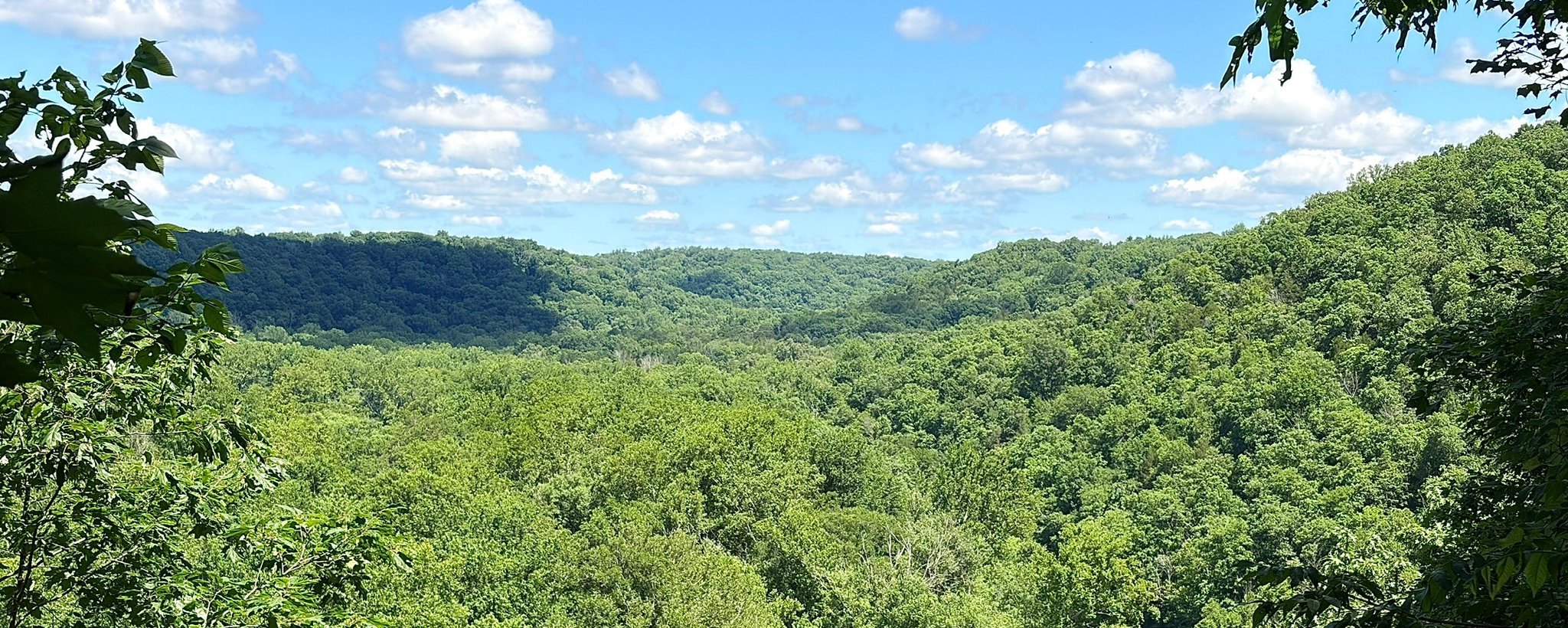
Overlooks are some of the best places to take photos with your phone. They give you sweeping views, dramatic scale, and natural framing without much effort. But many people stand in the same spot as everyone else, snap a quick wide shot, and wonder why their photos look flat or crowded. With a few simple techniques, you can turn those big views into images that feel immersive and personal.
Time It Right for the Best Light
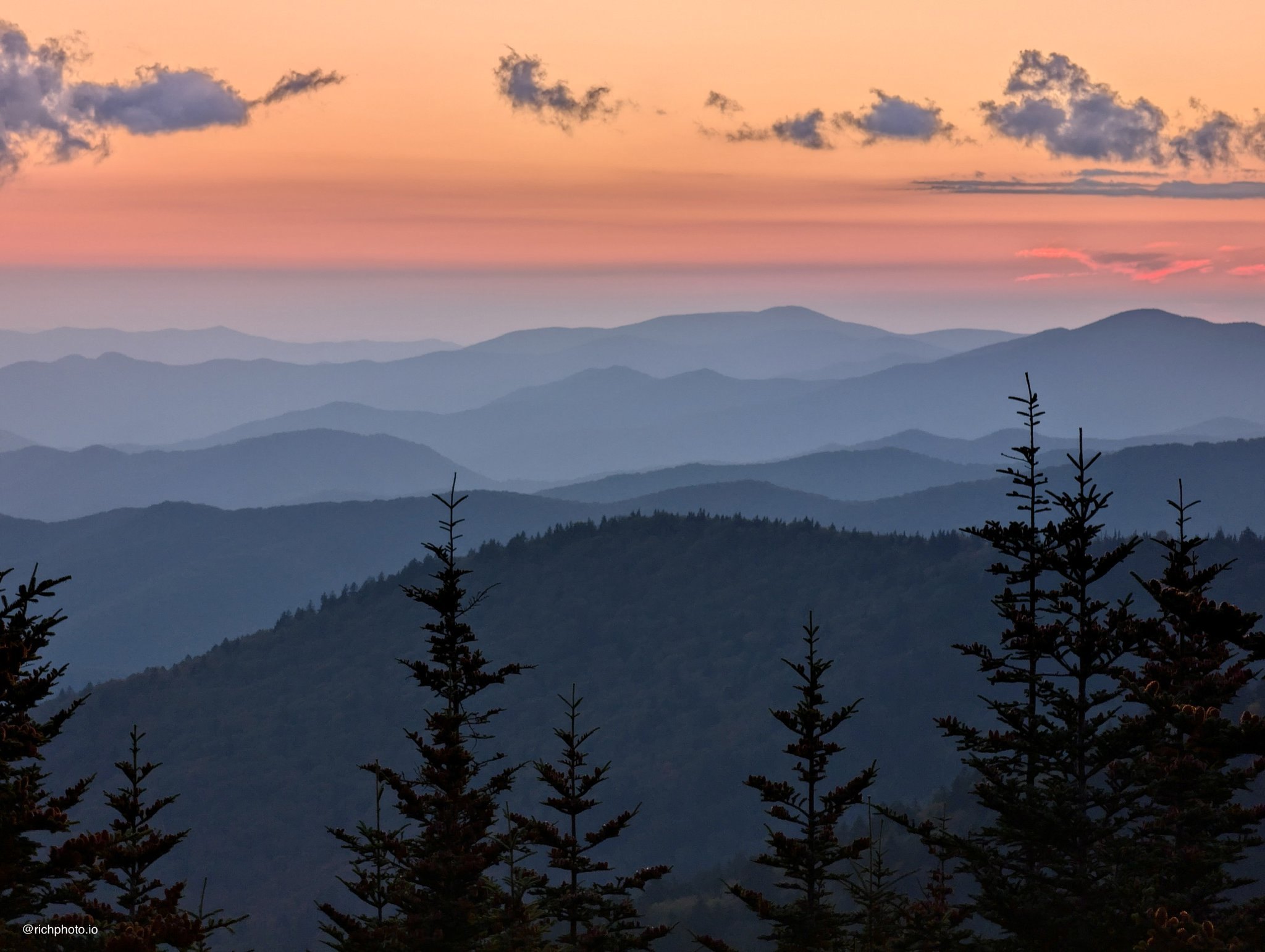
The best mountain photos almost always happen during golden hour or blue hour. In Grand Teton, sunrise at Schwabacher’s Landing turns the peaks pink and orange while the Snake River reflects everything perfectly. In the Smokies, early morning fog filling the valleys creates those classic layered ridges. Avoid harsh midday light when possible. The low-angle sun brings out texture, depth, and color that your phone’s sensor loves. If you can only shoot midday, work with strong side light and deep shadows instead of fighting them. Arriving early or staying late also lets you avoid crowds, giving you cleaner compositions and more time to experiment with different angles as the light changes.
Find Your Own Angle
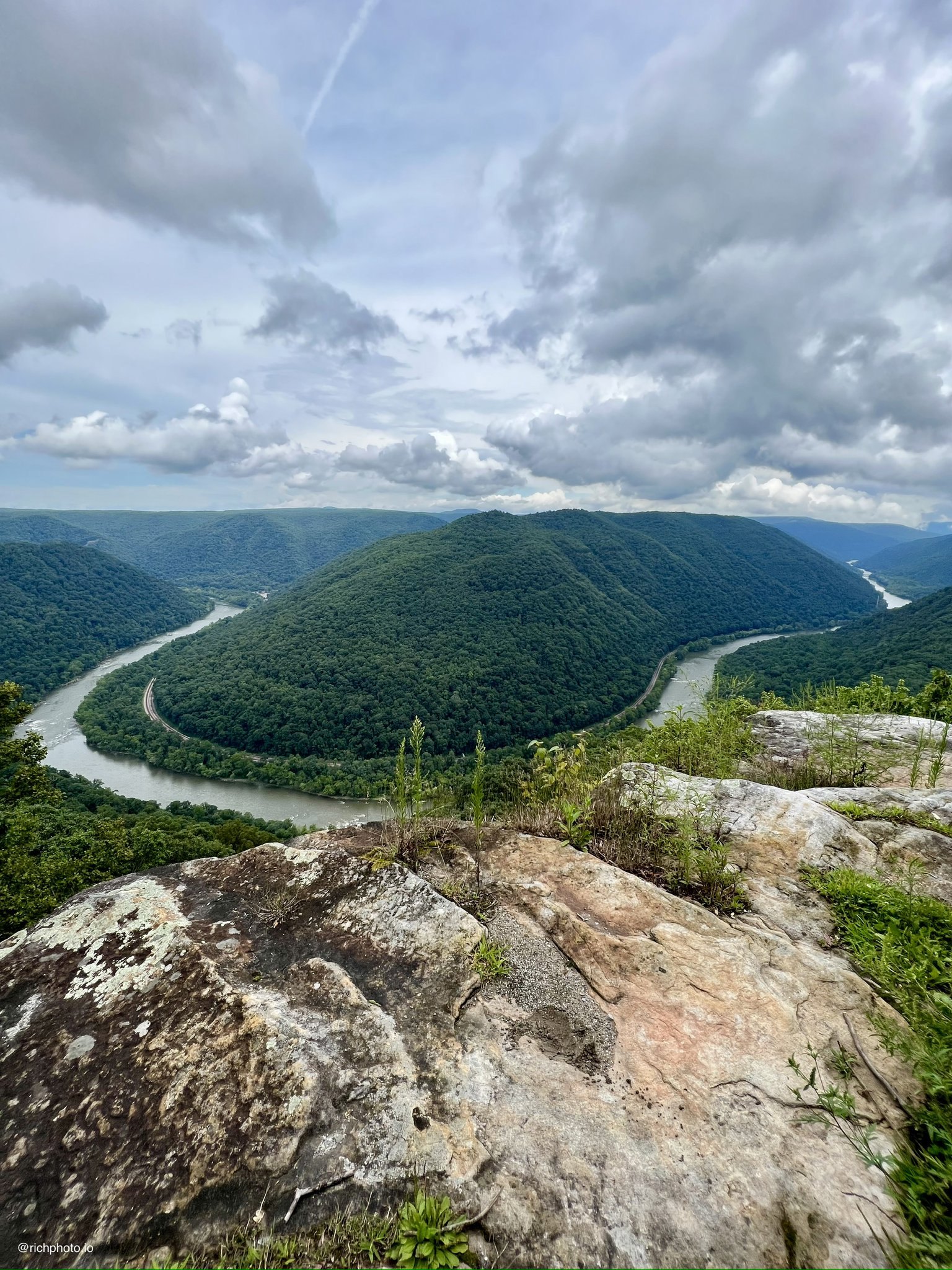
Do not just stand where the crowds are. Walk along the overlook railing or take a short trail to find a unique perspective. Get low to emphasize foreground elements or step back for a wider view. Look for natural frames like tree branches or rock formations that can frame the scene. Changing your position even a few feet can completely transform how the landscape looks in your photo. Sometimes the best angle is the one nobody else is using.
Use Layers and Leading Lines
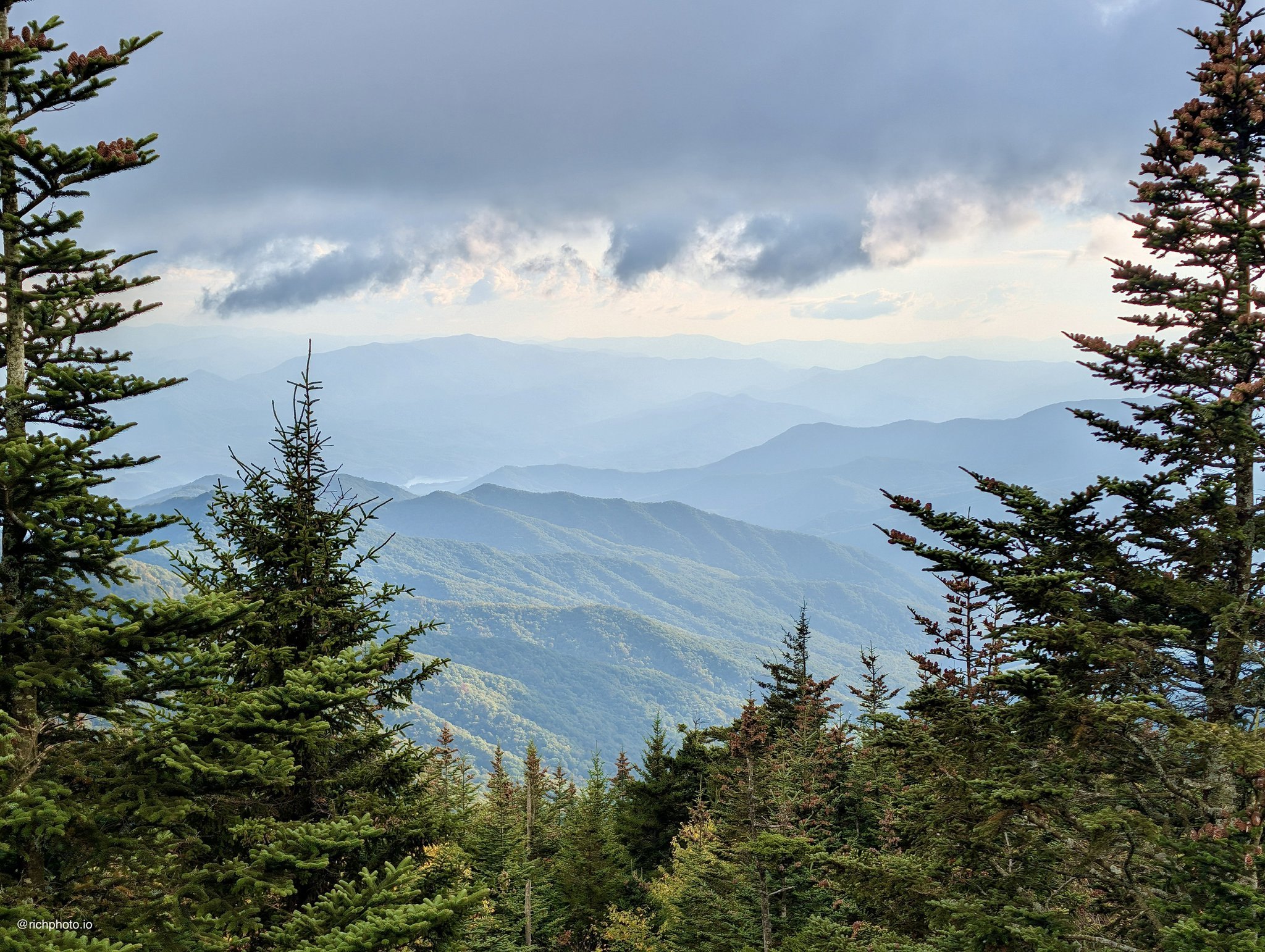
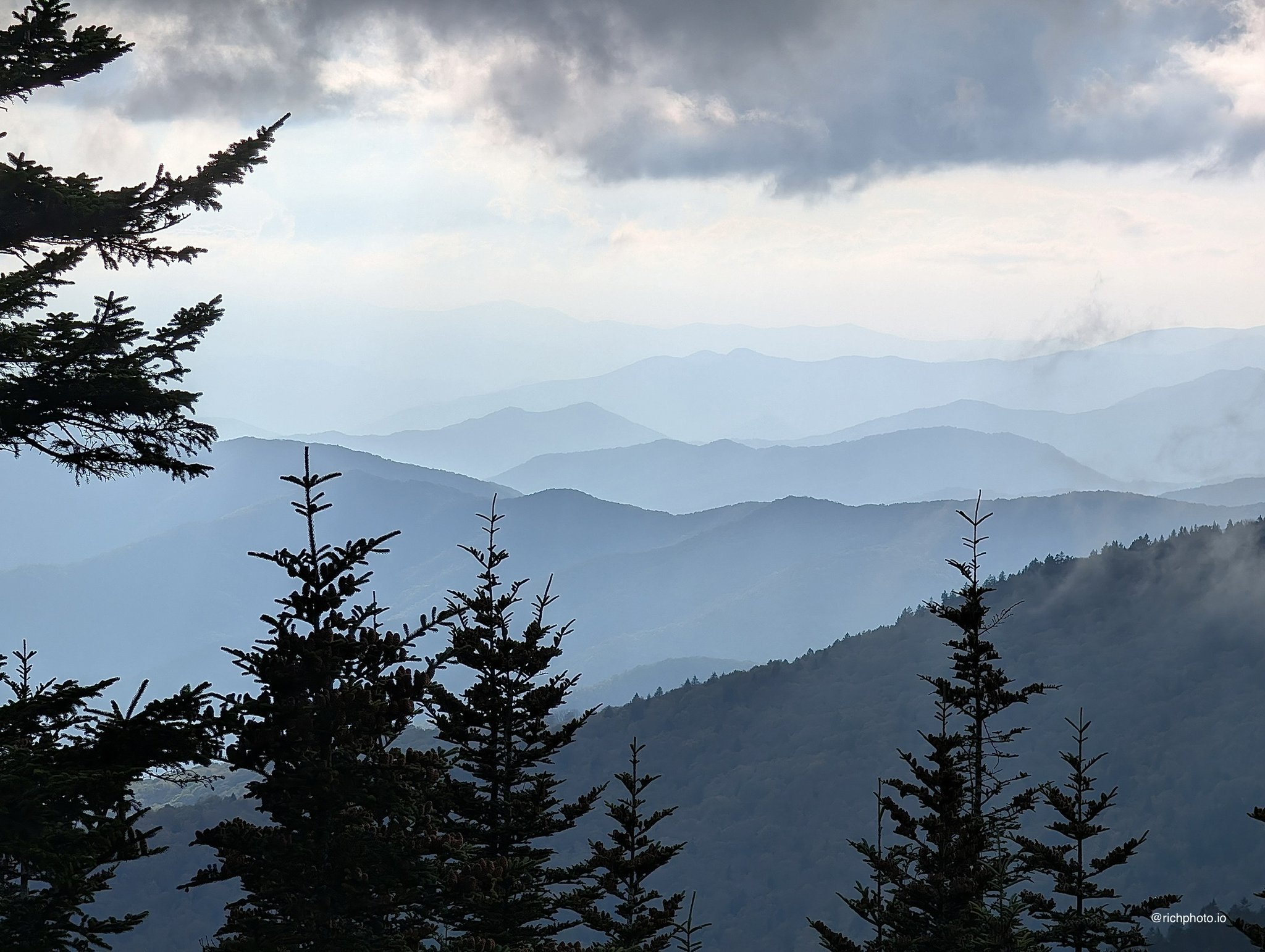
Mountain ranges are made for layered compositions. In the Smokies, shoot from overlooks like Newfound Gap or Kuwohi to capture multiple ridges fading into the distance. In the Tetons, position a foreground element like a wildflower meadow, barn, or the river to give your photo scale. Your phone’s wide lens is great here. Turn on the grid and place the strongest peak or horizon line along a rule-of-thirds line. Layers turn a simple mountain snapshot into a photo with real depth and dimension. Play with atmospheric perspective, the way distant ridges turn softer and bluer, which your iPhone captures beautifully and adds a natural sense of vastness to the scene.
Include a Sense of Scale
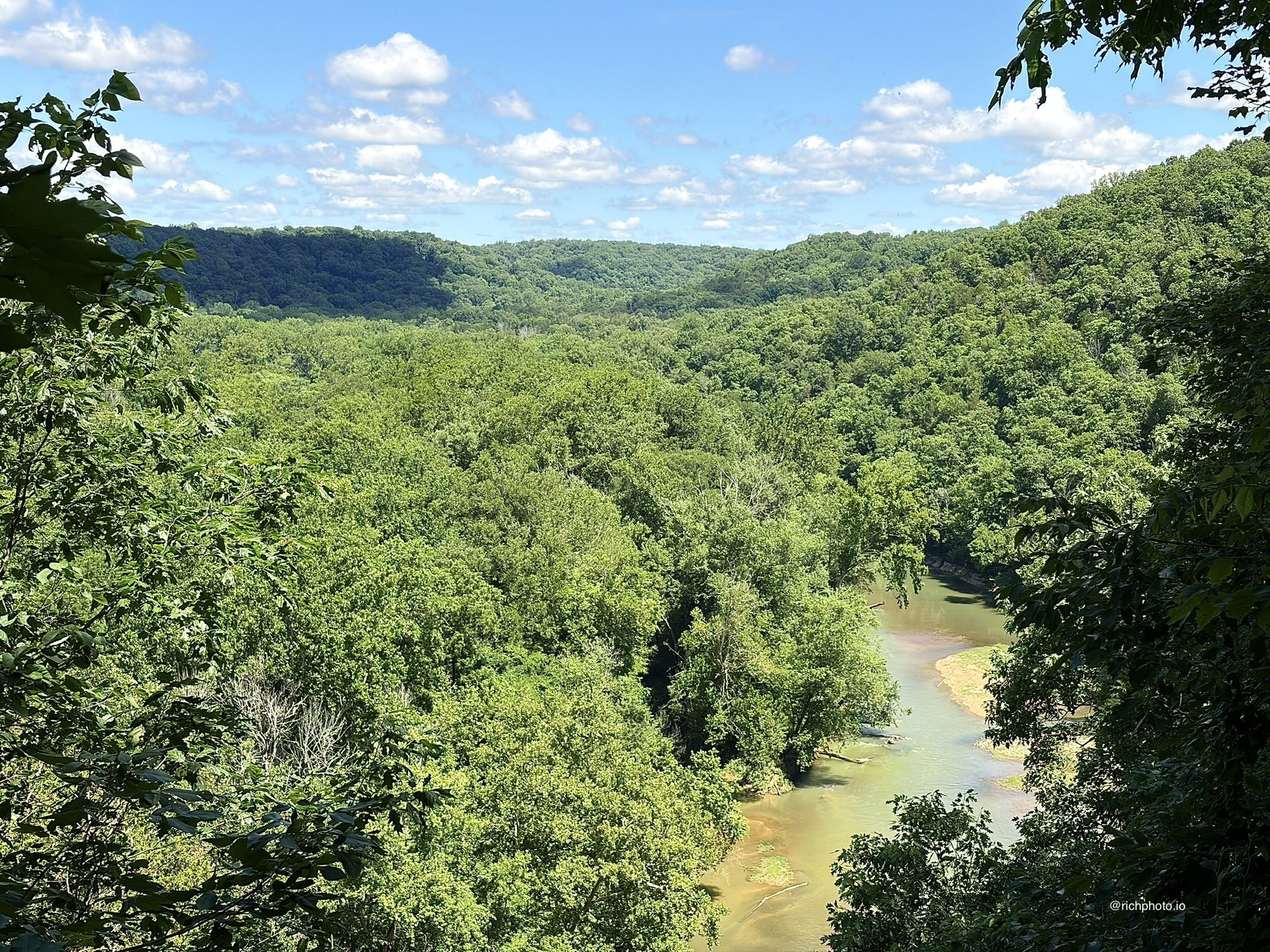
Big landscapes can look flat without something to show size. Include a person, tree, or rock in the foreground to give the viewer a reference point. A hiker on a trail or a lone tree on a ridge can make the mountains feel truly massive. These elements turn a pretty view into a story about being there. The scale helps viewers feel the grandeur of the scene instead of just seeing a pretty picture.
Handle Crowds and Distractions
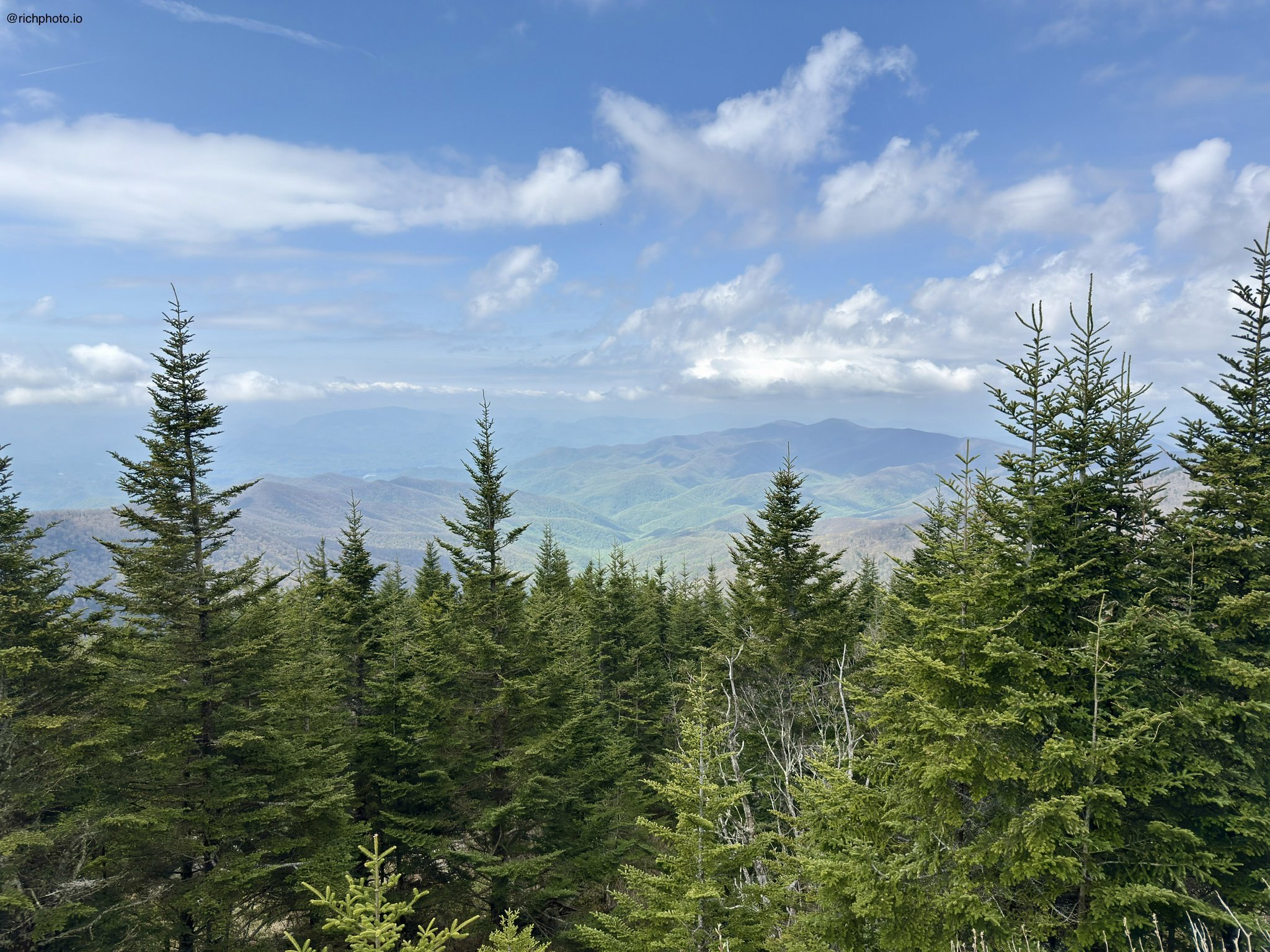
Popular overlooks get busy fast. Arrive early or stay late to avoid crowds. If people are in your shot, wait for a clear moment or use portrait mode to blur them out. Watch the edges of your frame for distracting signs, railings, or power lines. A quick step left or right often removes them. Patience and a little movement go a long way. Sometimes waiting just a few minutes for a clear window makes the difference between an average shot and a great one.
Quick Composition Tips
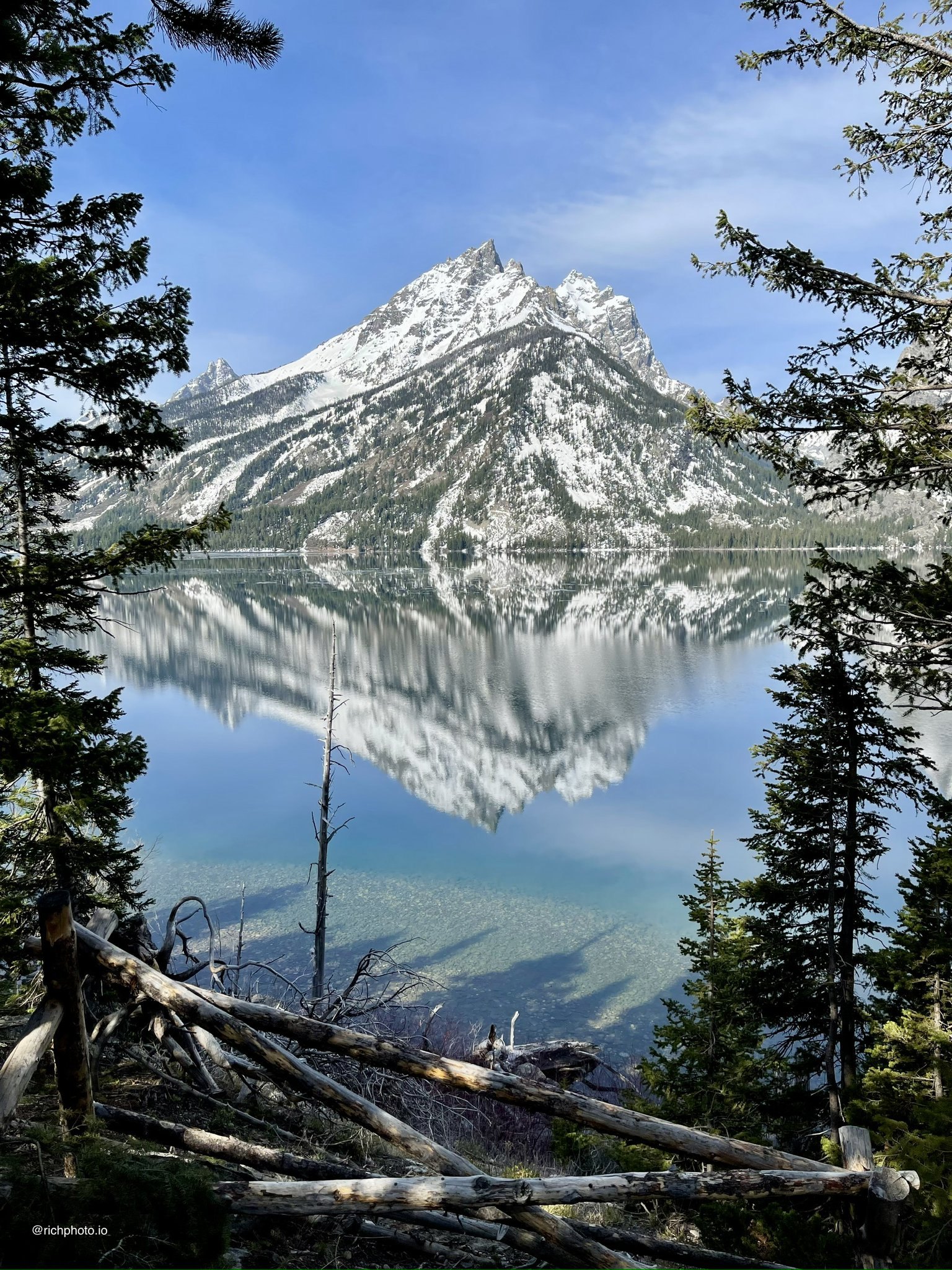
- Shoot both horizontal and vertical orientations. Vertical shots can emphasize height and drama.
- Look for interesting foregrounds like wildflowers, rocks, or fallen logs.
- Use the wide lens but zoom with your feet first for better perspective.
These small choices help you create stronger compositions even when the light or crowds are not ideal.
Edit to Bring the Scene Alive
Open the photo and make light adjustments. Increase contrast and clarity to define the ridges and peaks. Pull down highlights if the sky is too bright and lift shadows slightly in darker areas. A touch of warmth can enhance sunrise or sunset shots. Crop tightly if needed to remove distractions. Keep edits natural so the photo still feels like the place you experienced. A few subtle tweaks often turn a good overlook shot into one you are proud to share.
Shooting from overlooks is one of the easiest ways to get impressive landscape photos with your phone. The views do most of the work. All you have to do is slow down, move around, and wait for the right light. Next time you are at an overlook, take a few extra minutes to experiment. You might come home with your new favorite shot!
-Rich | richphoto.io
Rich Photography · Lexington, Kentucky