May 26, 2026
Rockin Tuesday: How to Turn Ordinary Stones into Photographic Masterpieces
Let’s be honest: rocks are the ultimate photography models.
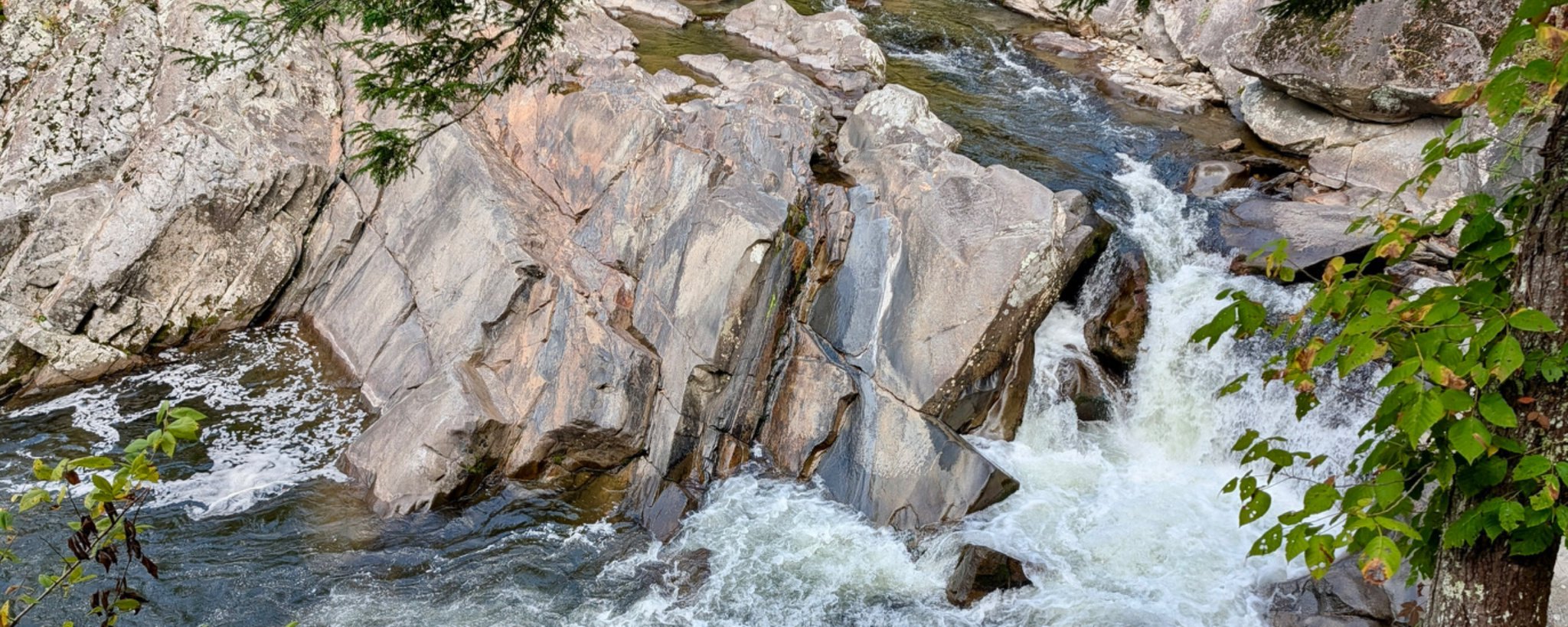
Let’s be honest: rocks are the ultimate photography models. They never complain about the weather, they don’t ask you to filter out their wrinkles, and they’ve been holding that exact same pose since the Jurassic period. But turning a literal lump of earth into a compelling photograph takes a little bit of strategy. If you want your next Rockin Tuesday post to stop people from scrolling past, you have to look beyond the surface and treat geology like fine art.
Hunt for the Textures
Don’t just snap a photo from eye level and walk away. The secret to making a static stone feel alive is getting close enough to capture its tactile history. Every ridge, fracture, and mineral vein tells a story of tectonic pressure, glacial shifts, or centuries of relentless wind. Look for the gritty micro-topography of ancient sandstone, or seek out the vibrant contrast where soft, velvet green moss crawls over a cold, jagged slab of gray granite. When you fill the frame with these raw details, the viewer doesn't just see the image—they can almost feel the rough, weathered surface beneath their fingertips.
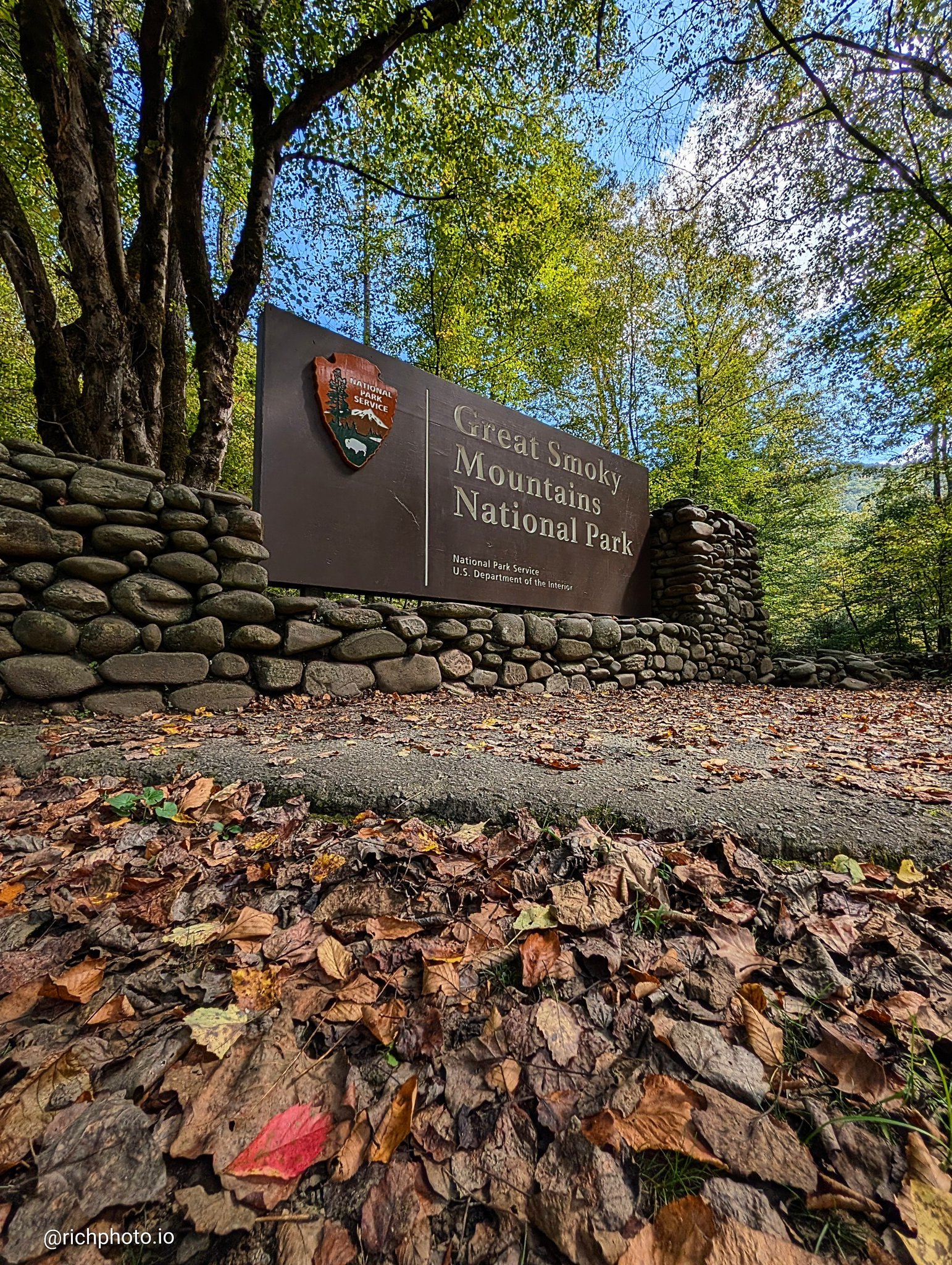
Embrace the Wet Look
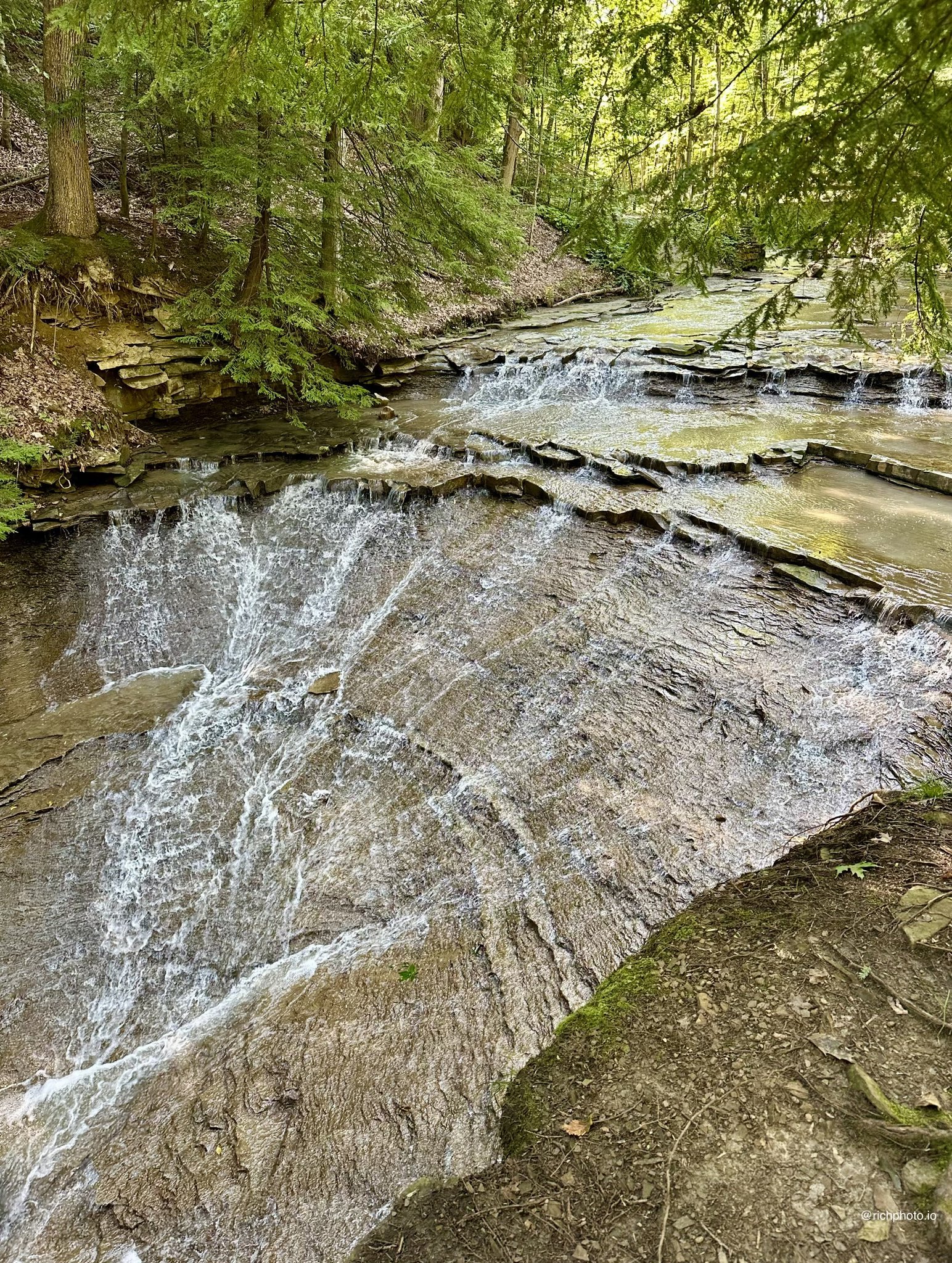
Rocks undergo a total visual transformation the second they get wet, shifting from dull and chalky to incredibly rich and vibrant. Water acts like a natural varnish, deepening the rock's intrinsic colors and making hidden crystalline patterns pop with sudden clarity. If you happen to be shooting near a stream, a waterfall, or right after a morning downpour, you're already in luck. If nature isn't cooperating, bringing along a simple spray bottle or pouring a splash from your canteen over a dry boulder can instantly create deep tones and gorgeous, subtle reflections that give your composition an elite, polished edge.
Chase the Shadows
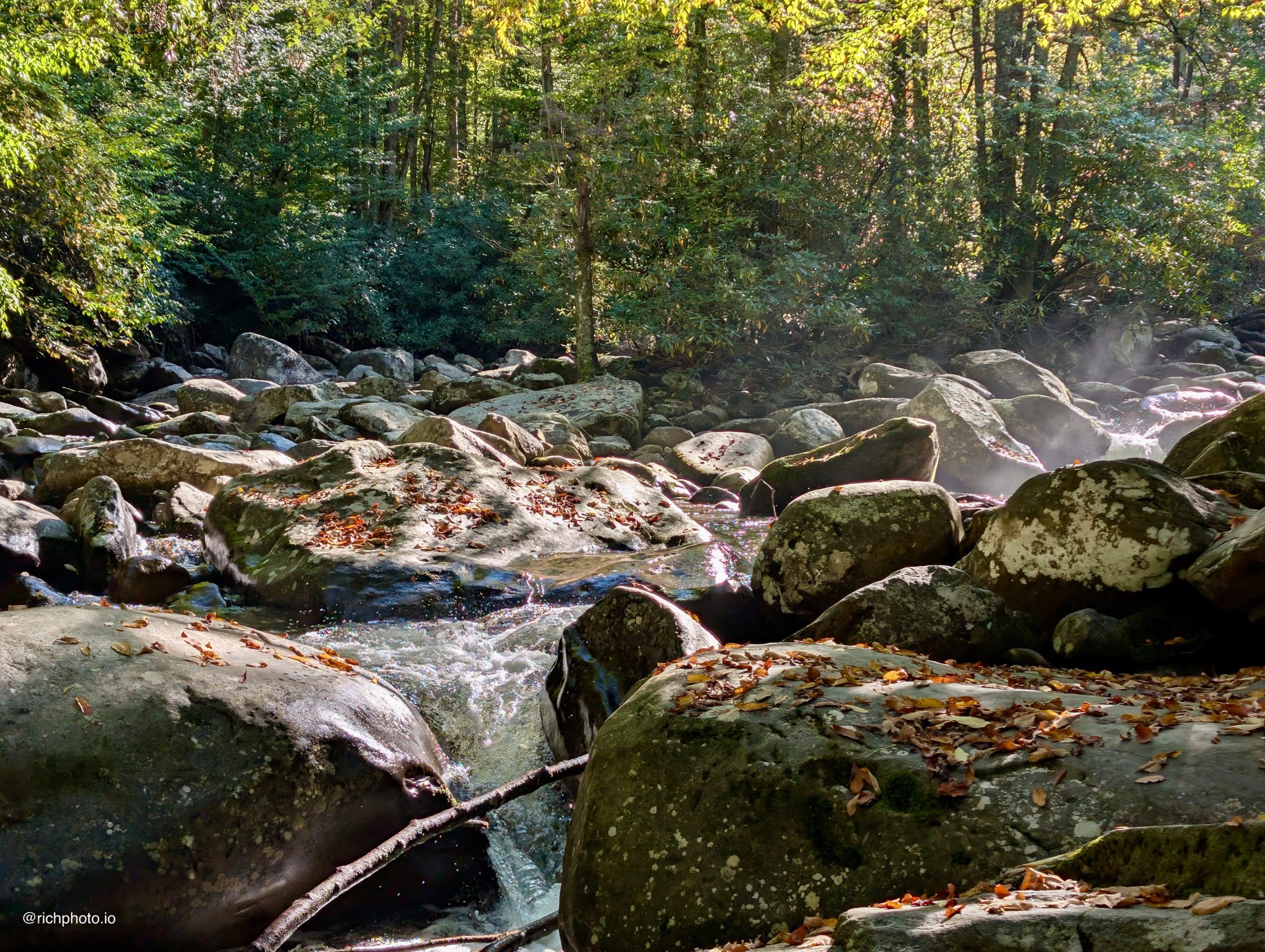
Shooting under direct, midday sunlight is a surefire way to flatten out your subject, turning massive, epic rock formations into something that looks like a flat cardboard cutout. To give your geological subjects a real sense of drama and three-dimensional depth, you need to chase the low-angle light found during the golden hours of early morning or late evening. As the sun dips toward the horizon, it casts long, sweeping shadows that highlight every hidden crack, deep crevice, and jagged ridge, carving out a natural contrast that gives the landscape an almost theatrical presence.
Establish a Sense of Scale
The tricky thing about geology is that without context, an immense, towering cliff face and a tiny, hand-sized pebble can look exactly the same when cropped tightly into a frame. To truly convey the awe-inspiring majesty of nature’s architecture, you need to deliberately include a recognizable reference point. Placing a lone, hardy tree clinging to a ledge, a winding hiking path in the distance, or even just the tip of your own hiking boots at the bottom edge of the shot provides an immediate baseline. It subtly forces the viewer's brain to calculate the true, massive scope of the landscape you're exploring.
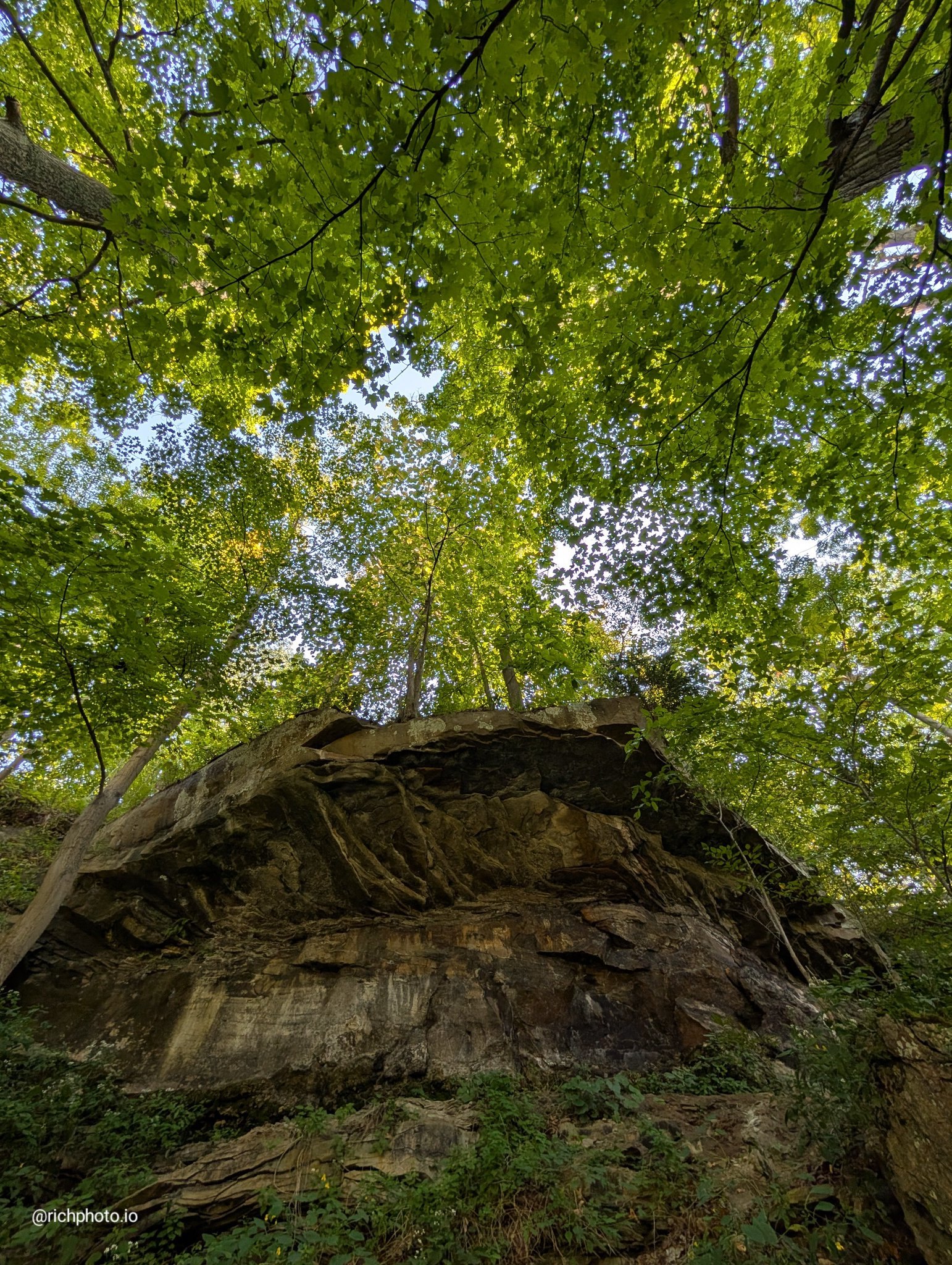
Drop Your Perspective
Most amateur photos fail because they are taken from standard standing height, offering the exact same viewpoint that everyone else sees just by walking past. Break out of that predictable habit by getting your camera or smartphone down as close to the ground as physically possible. Shooting upward from a radically low angle instantly shifts the power dynamic of the frame, transforming ordinary trail stones into towering, monument-like structures that dominate the sky. This low-slung, ground-up perspective injects a sense of exploration and discovery into the shot, making the familiar terrain feel completely grand and untamed.
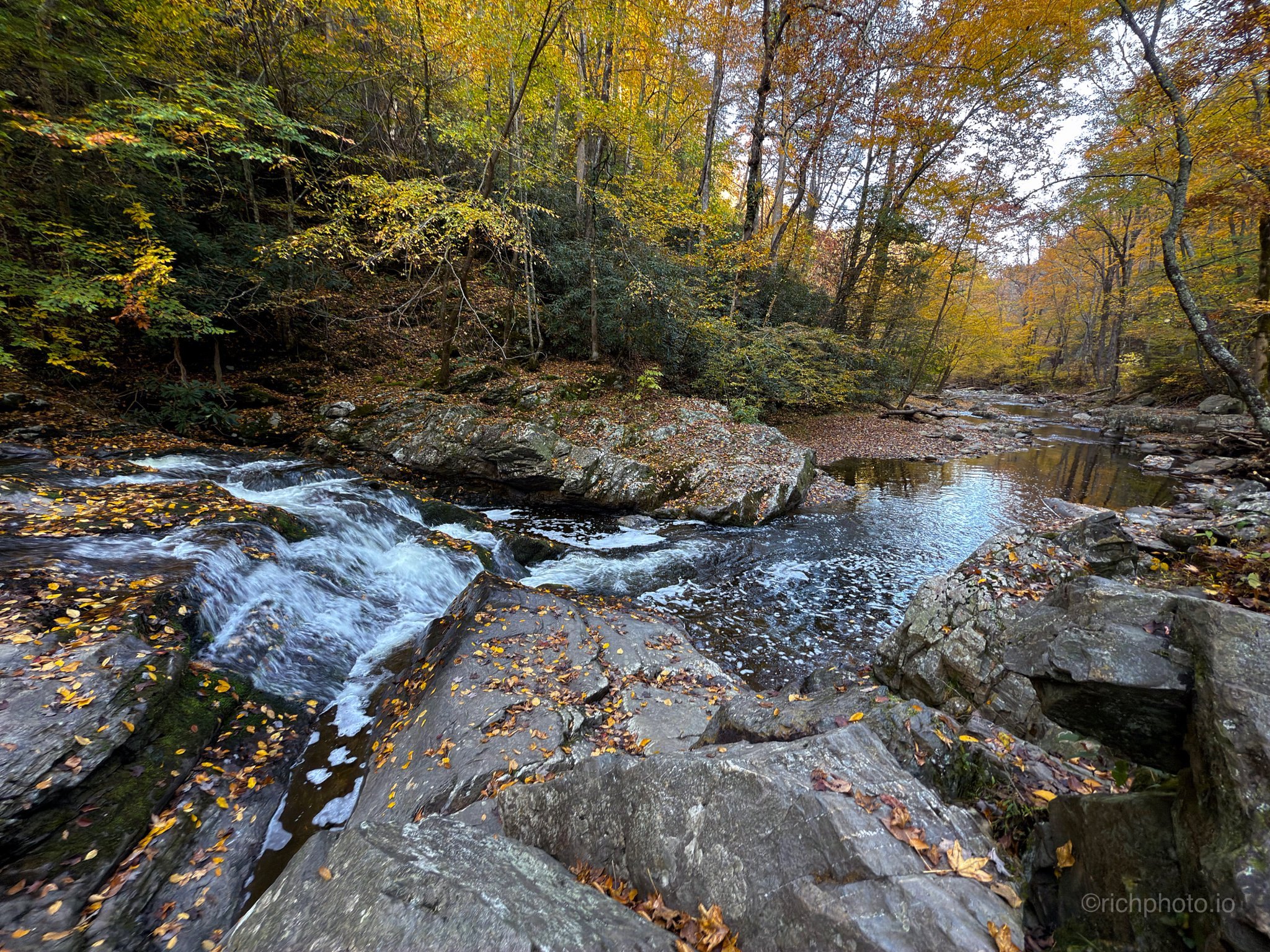
So, the next time you step out onto the trail, stop treating the ground beneath your feet like background noise. There is a quiet, ancient drama happening right there in the rubble, just waiting for someone with the patience to actually look. Grab your gear, hunt for those hidden textures, and let the low angle shadows do the heavy lifting. Nature spent millions of years sculpting these models—the least we can do is give them their proper moment in the spotlight for #RockinTuesday!
Rich Photography · Lexington, Kentucky