July 16, 2026
River Photography on Your Phone - Capturing the movement and life of rivers with just your iPhone
Rivers never stay still. They carve through landscapes, reflect light in ever-changing ways, and carry small details like leaves and foam that tell their own stories. Many…
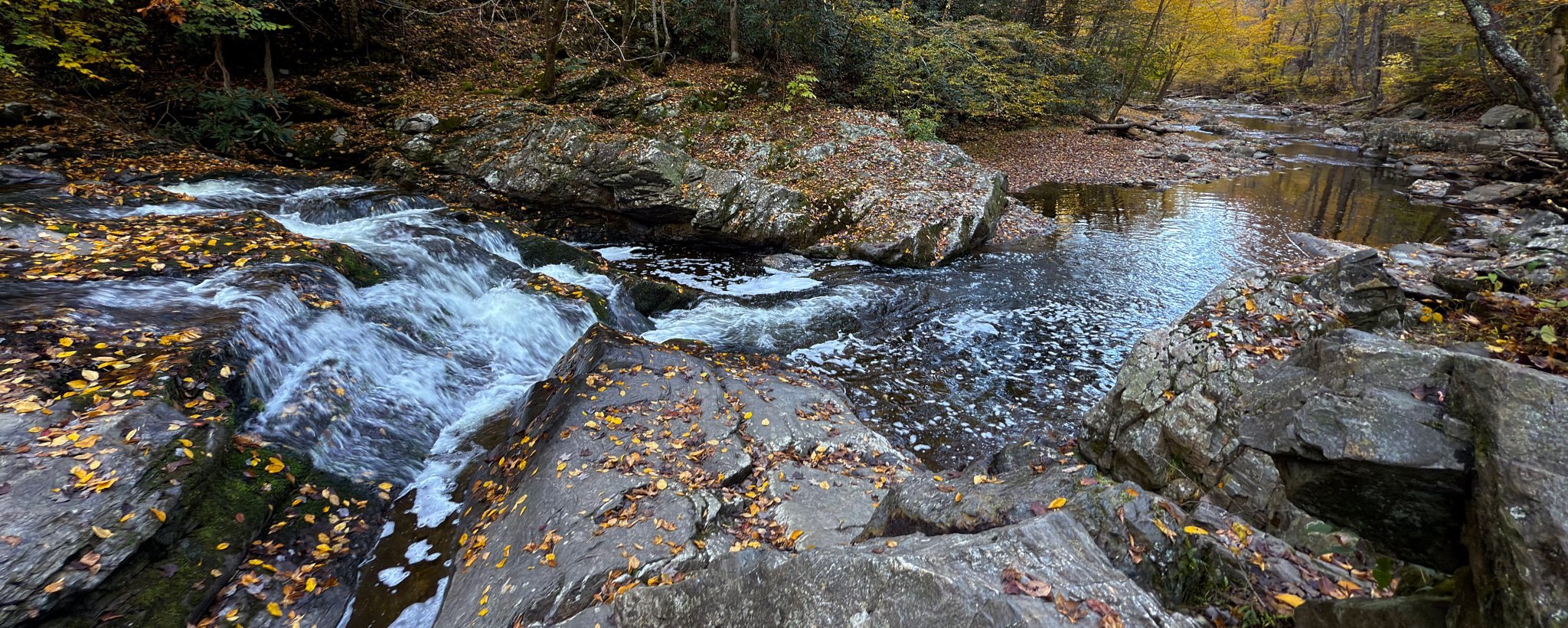
Rivers never stay still. They carve through landscapes, reflect light in ever-changing ways, and carry small details like leaves and foam that tell their own stories. Many phone photos of rivers end up looking either too busy or completely flat because it’s easy to point and shoot without thinking about flow or foreground. With a little attention to timing, angle, and movement, your iPhone can turn even a familiar stream into something that feels alive and worth looking at again. Taking the time to observe how the water behaves in different sections often leads to stronger compositions than rushing through a shoot.
Find Rivers That Have Character
Not every river makes a strong photo. Look for sections with interesting movement — rapids, gentle bends, or places where water swirls around rocks. In the Smokies you’ll find fast mountain streams with lots of texture. Out west, bigger rivers like the Snake or Colorado give you powerful flow and big scenery. Even small creeks near home can work if you focus on the way light hits the water or how leaves collect in eddies. Walk the banks and look for spots where the river interacts with something else — a fallen log, mossy rocks, or overhanging trees. Those interactions usually create the most interesting images. I’ve often found that the best river photos come from spending time at one bend rather than driving to multiple locations in a single day.
Time It for Better Light and Flow
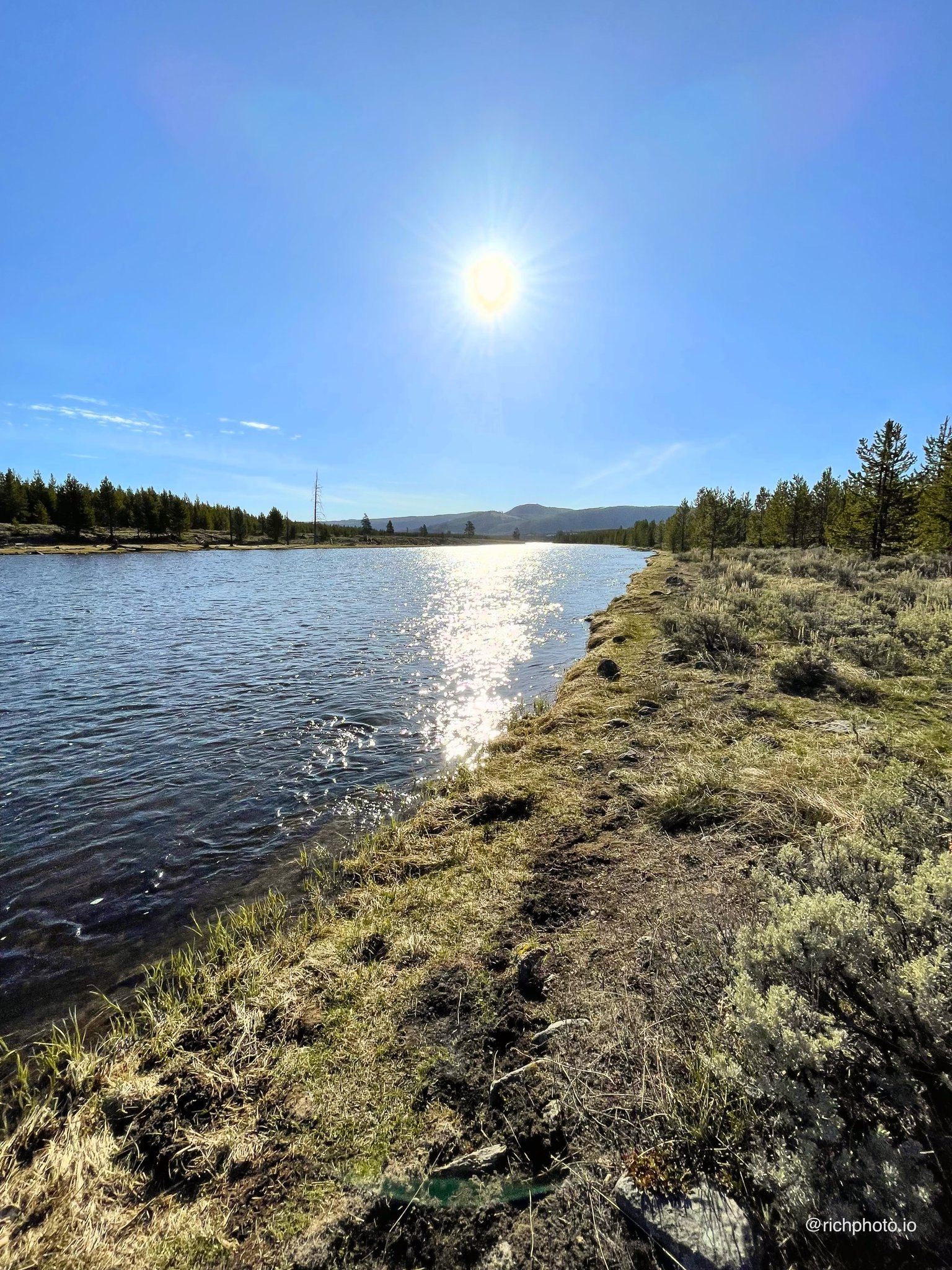
Early morning and late afternoon light often brings the warmest tones and softer contrast on the water. Overcast days can be surprisingly good because the even light keeps colors rich without harsh reflections. After rain, rivers run higher and faster, which can create dramatic white water but also makes footing trickier. In fall the reflections of colorful leaves add another layer. In winter you might catch ice along the edges or steam rising from warmer water. Check water levels if you can — too high and it becomes dangerous; too low and the flow can look weak. The river itself changes with the seasons, so returning to the same spot at different times gives you completely different photos. I’ve learned that the best conditions often arrive right after a storm clears or during the golden hour when the light skims across the surface.
Get Low and Use the River as a Leading Line
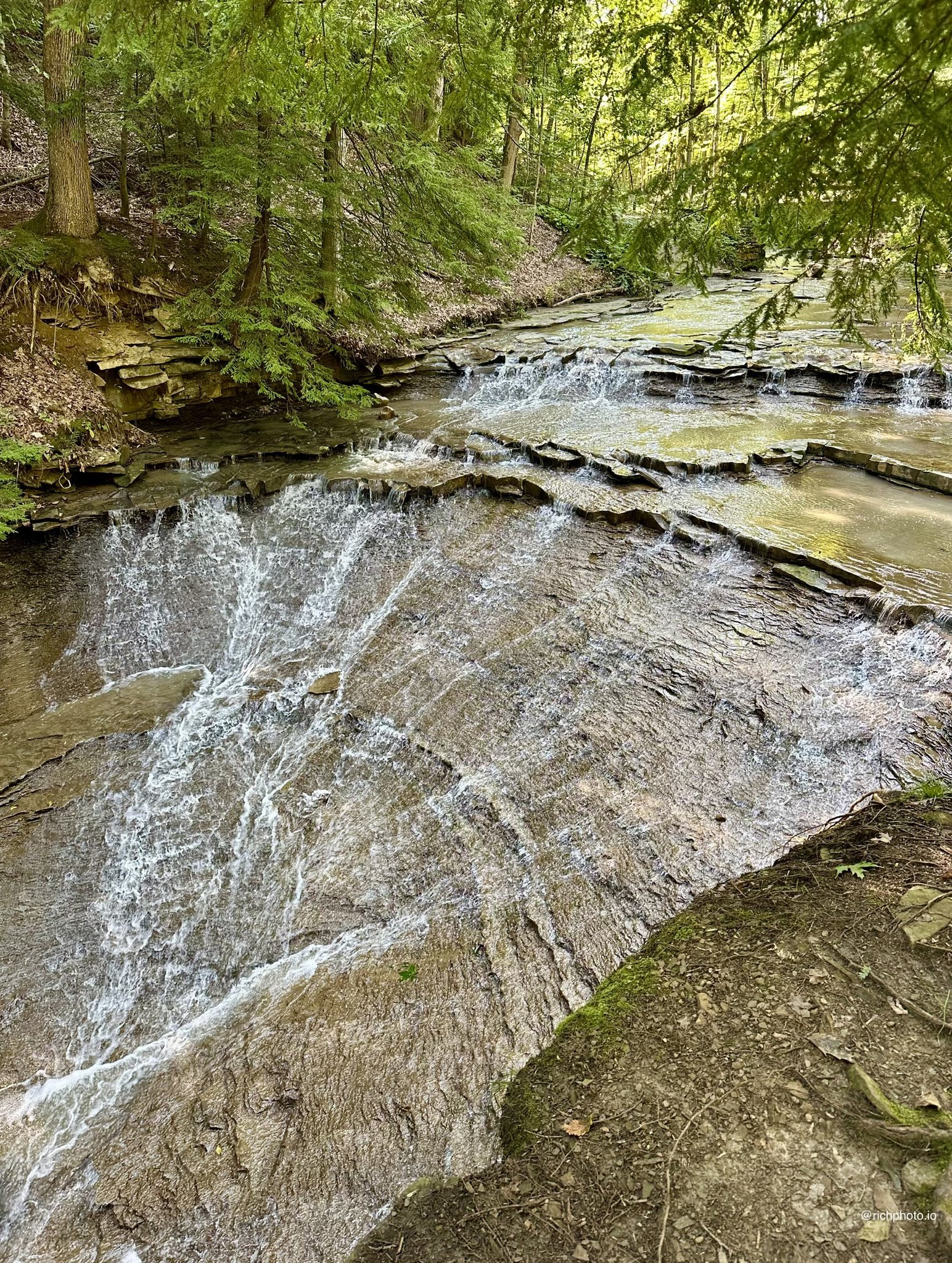
Standing straight up and shooting down at the water rarely gives strong results. Crouch or kneel so the camera is closer to the surface — this makes the river feel more powerful and immersive. This low angle also lets you include foreground rocks, roots, or ripples that add depth. In places like the Smokies, low angles often let you include layers of ridges in the background while the river flows through the bottom of the frame. The lower you get, the more the river becomes the main character instead of just background scenery. Moving even a few feet along the bank can completely change how the leading lines work and how much foreground interest you can include.
Capture Movement Without Extra Gear
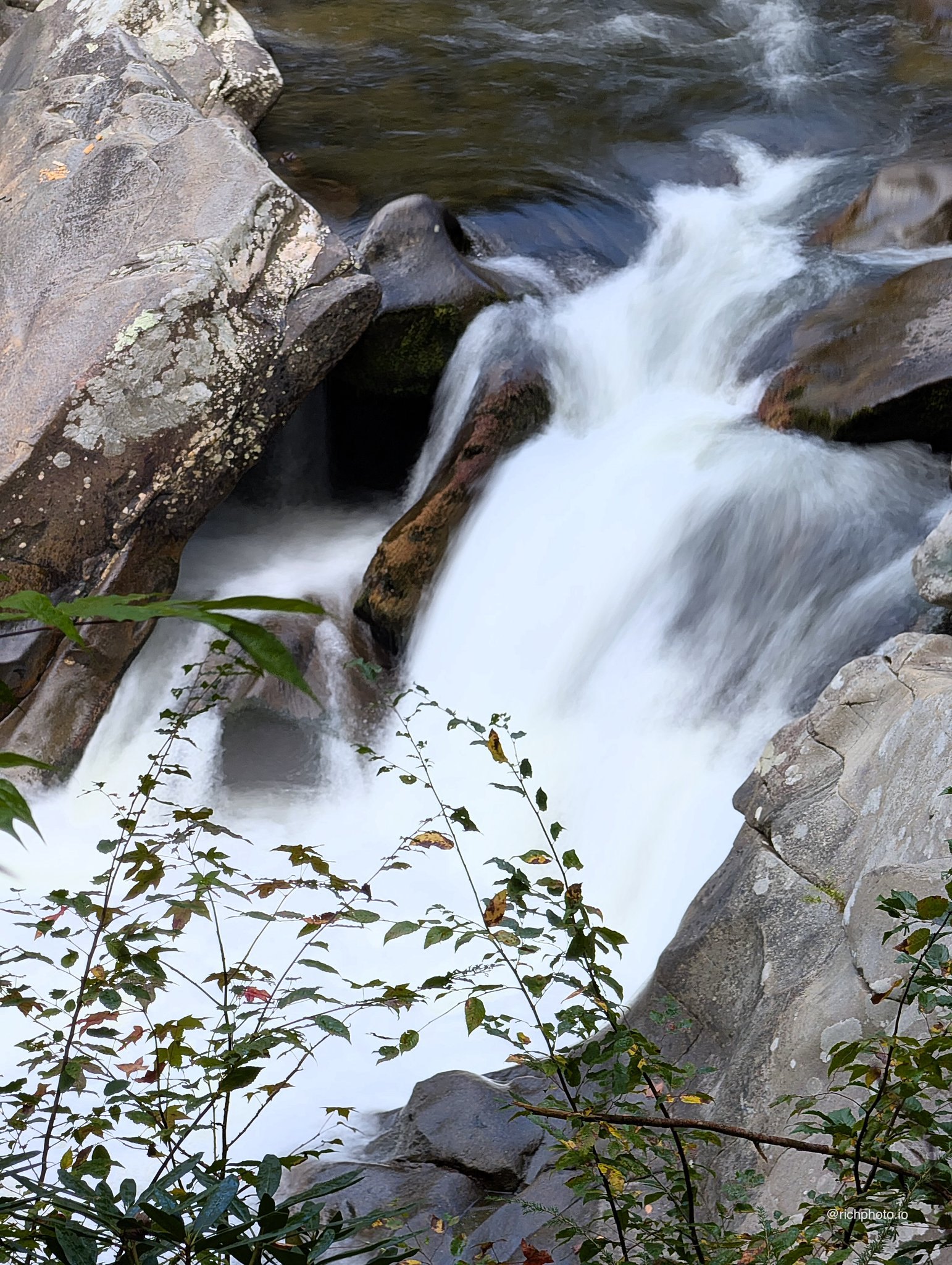
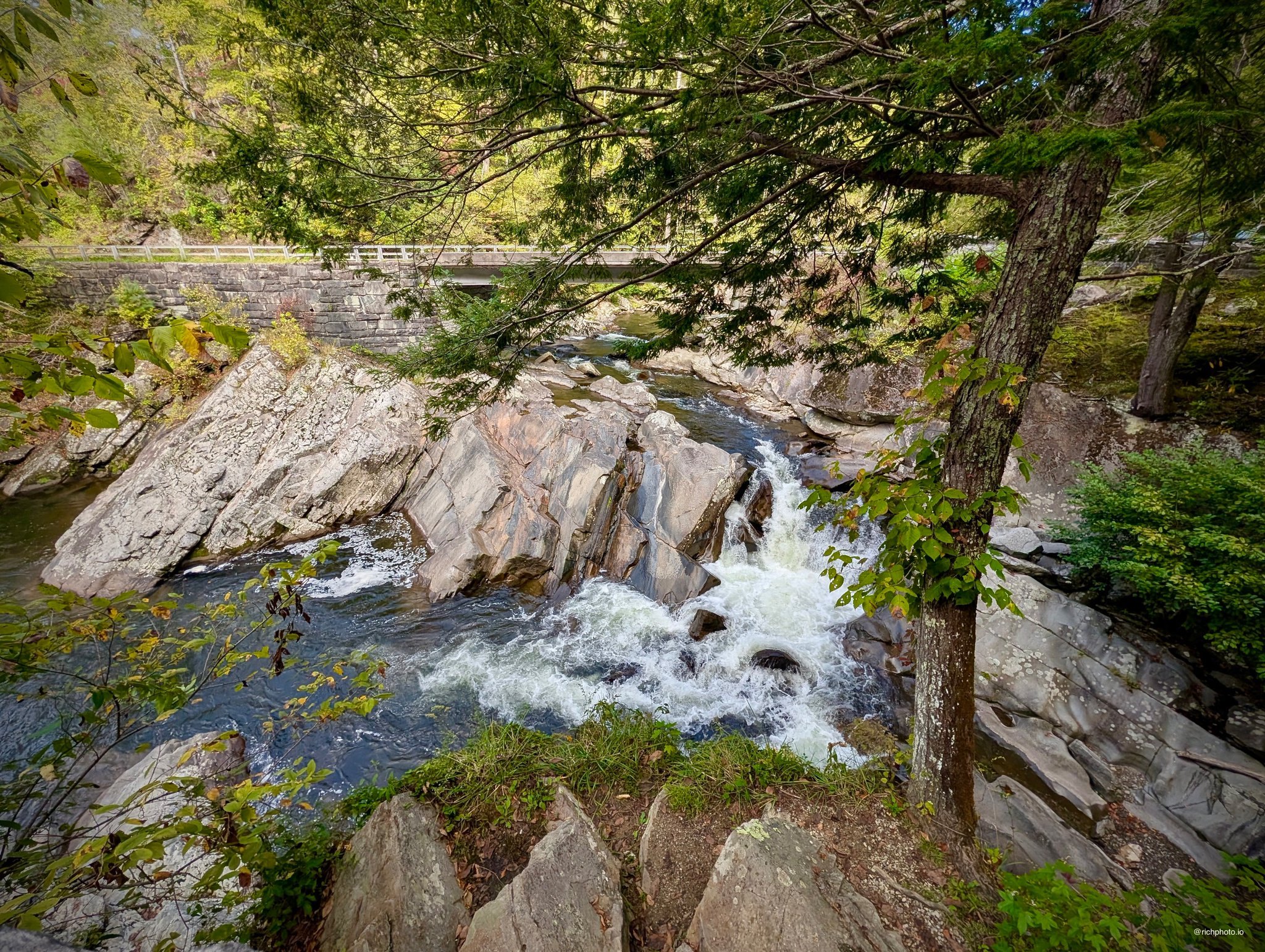
One of the most satisfying things about river photography is showing the water in motion. On iPhone, open the Camera app in Photo mode, take a Live Photo, then swipe into the Photos app and choose the Long Exposure effect. This blends the frames and turns rushing water into smooth, silky streaks while keeping rocks and trees sharp. For faster-moving water or more control, some third-party apps let you adjust the shutter speed manually. The key is finding the right balance — too fast and the water still looks choppy, too slow and it can become a featureless blur. Try experimenting with different sections of the same river on the same day, that often gives a nice range of motion effects without needing any extra equipment.
Pay Attention to Reflections and Small Details
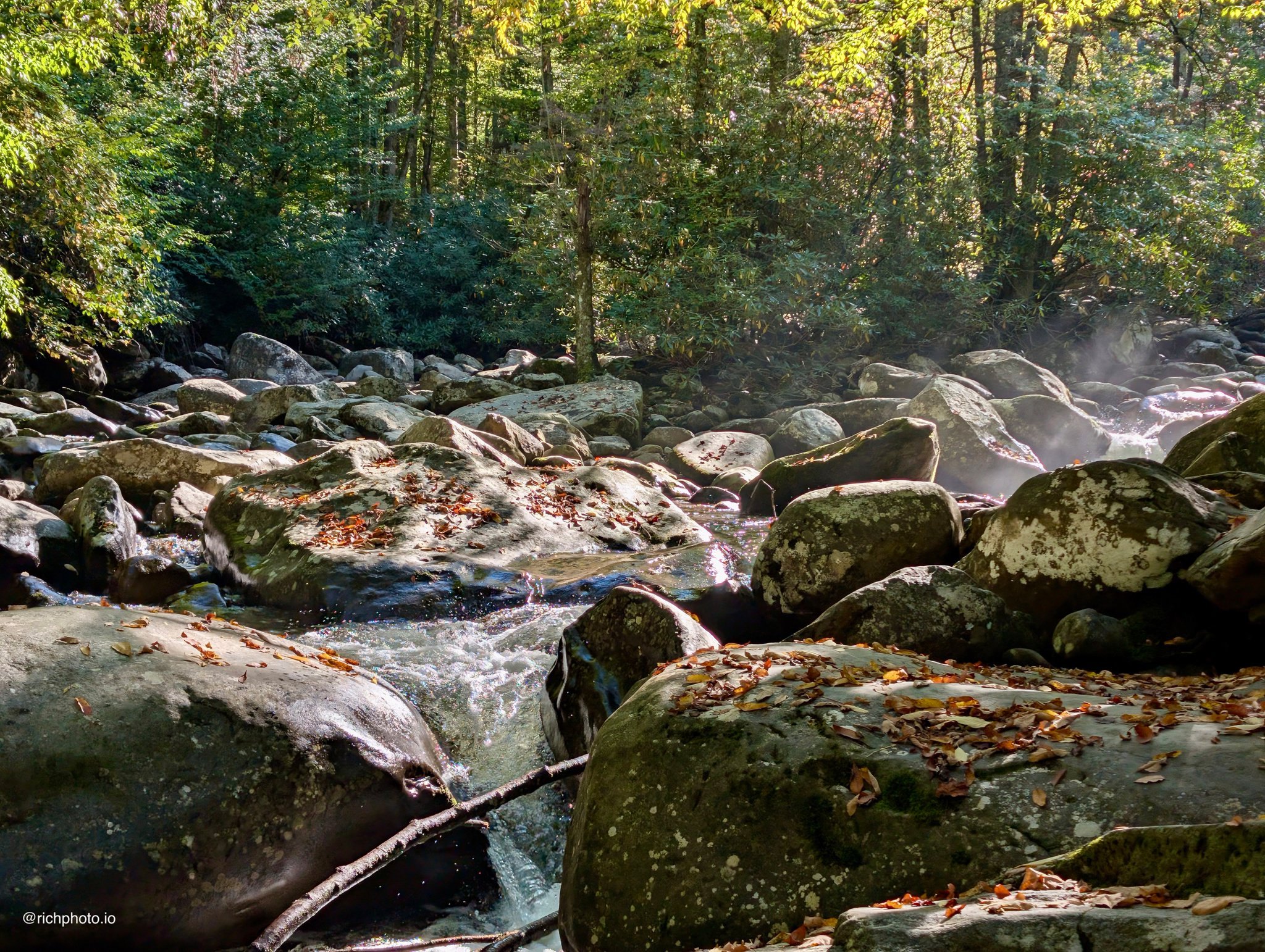
Calmer pools along a river act like mirrors and can double the beauty of surrounding trees or mountains. Side lighting often brings out the texture of ripples and the sparkle on moving water. Don’t ignore the edges either — wet rocks, colorful leaves caught in branches, or the way foam collects in little whirlpools can make strong close-up shots. These smaller details often feel more intimate than wide scenic views and give your river photos variety. A mix of big landscape shots and tighter details tells a fuller story of the place. Reflections in slower sections can sometimes be even more interesting than the rushing parts because they hold color and shape more clearly.
Stay Safe and Move Around
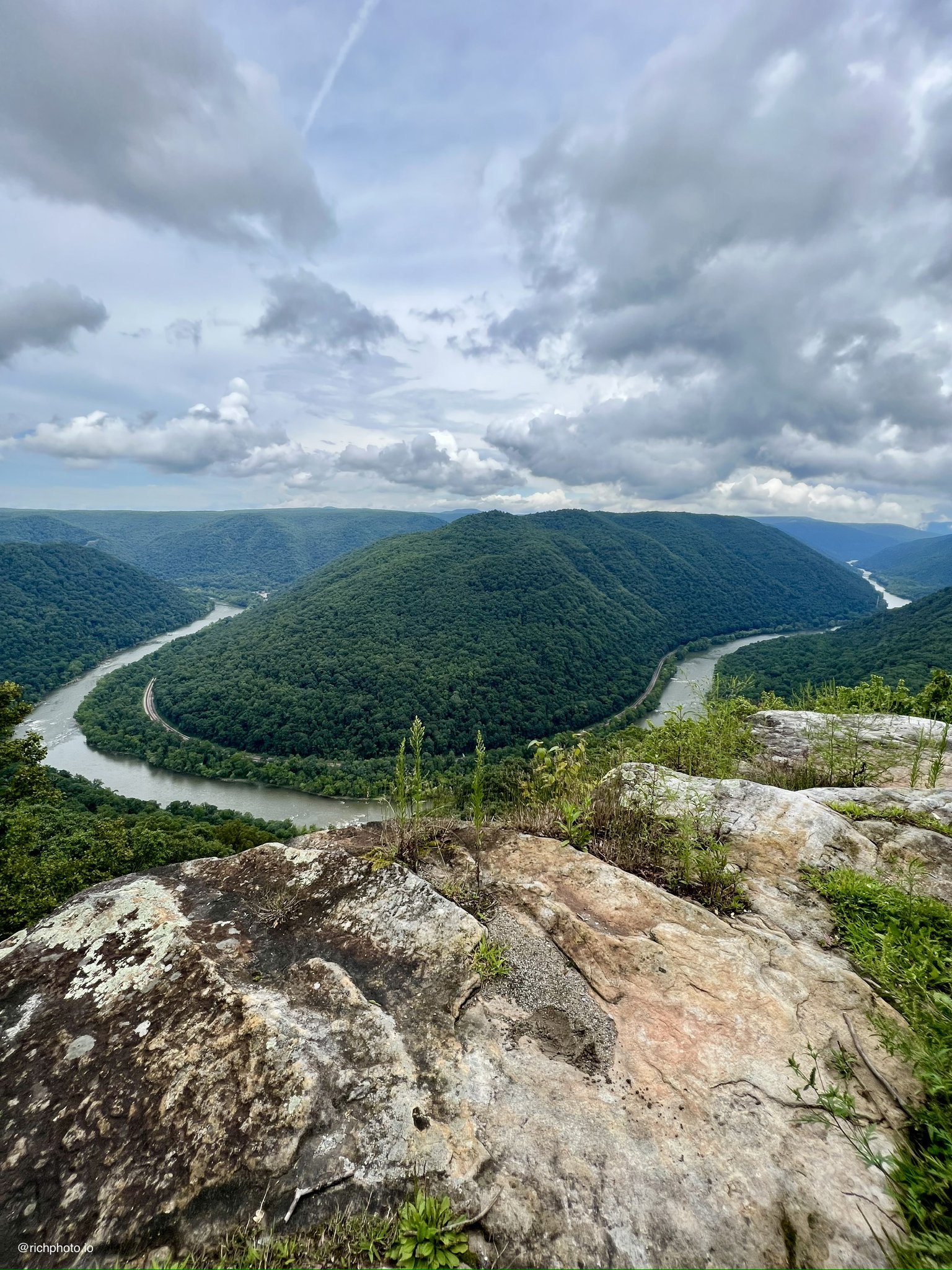
Rivers can be slippery, especially on mossy rocks or after rain. Wear shoes with good grip and never get so focused on a shot that you step somewhere unsafe. If the water is moving fast or high, keep your distance. Sometimes the best compositions come from moving just a few steps left or right, or walking upstream or downstream until the light and flow line up better. Don’t feel like you have to shoot the whole river at once — pick one interesting section and work it from different angles.
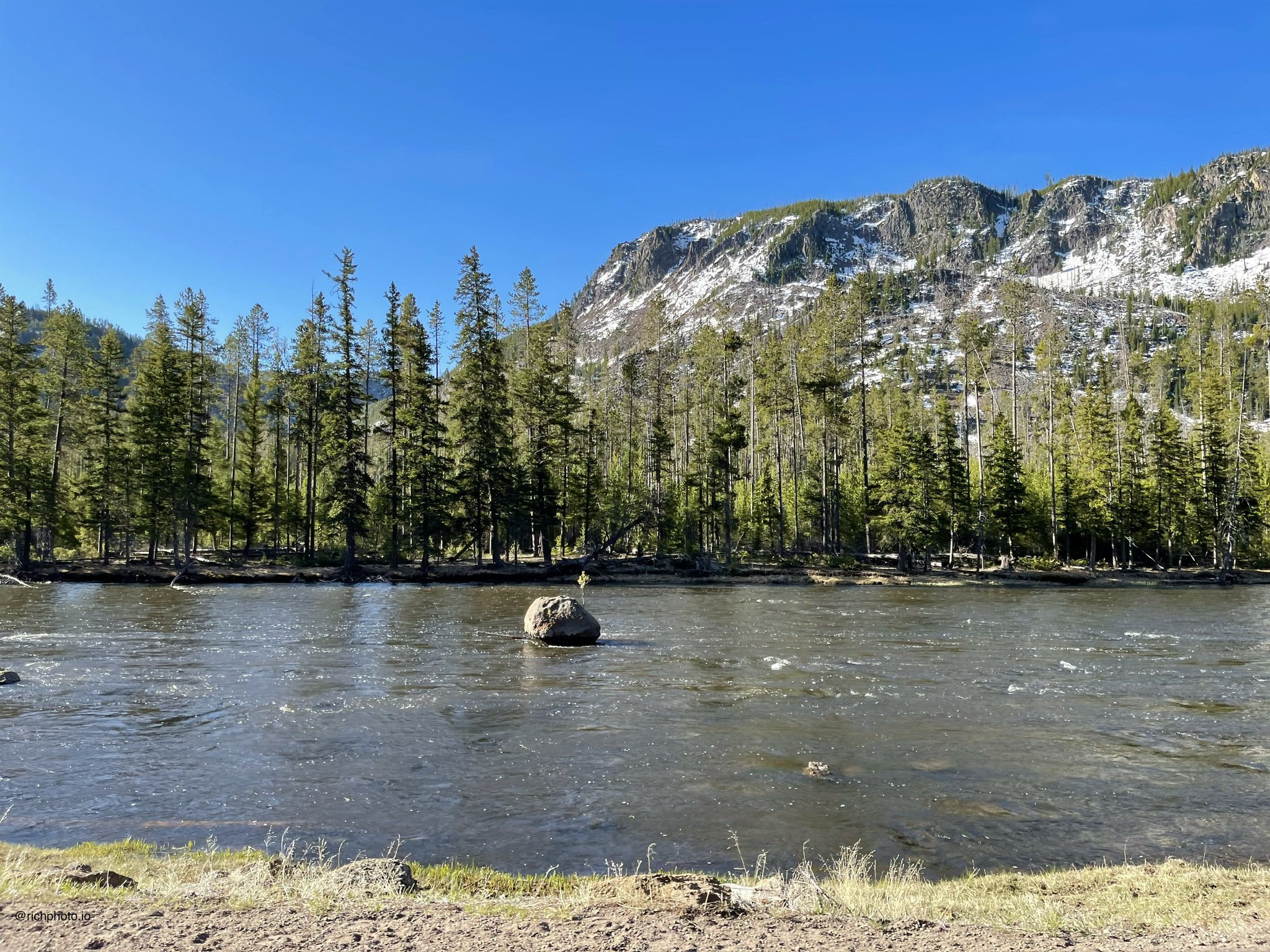
River photography rewards patience and a willingness to get a little wet or dirty. The water is always moving, the light is always shifting, and every visit can give you something new. Your iPhone is more than capable of capturing that energy when you slow down and pay attention to how the river actually behaves. Next time you’re near one, pick a small stretch and spend some real time with it instead of rushing to the next viewpoint. You’ll probably come back with stronger photos than you expected.
-Rich | richphoto.io
Rich Photography · Lexington, Kentucky