June 28, 2026
Reflections on iPhone - Capturing stunning reflections with just your phone
Reflections turn ordinary landscapes into something magical.
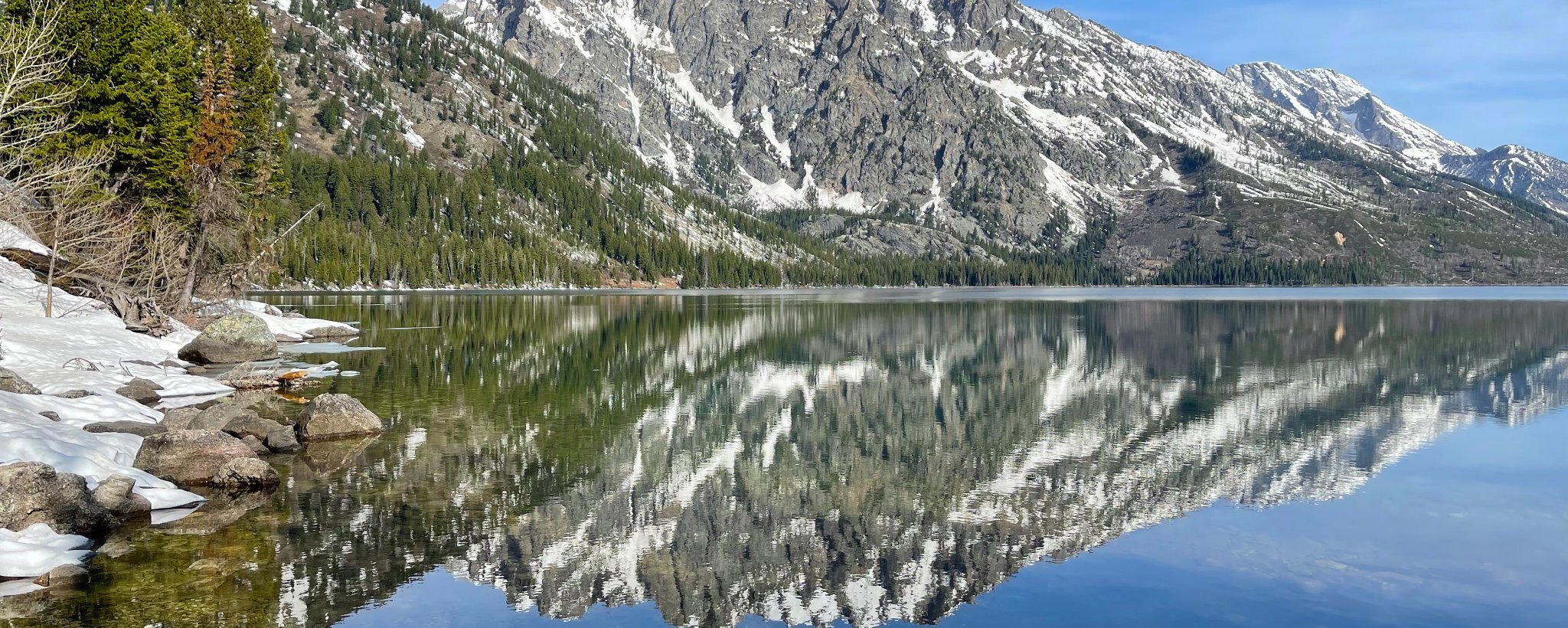
Reflections turn ordinary landscapes into something magical. A still lake mirroring snow-capped mountains or tall trees doubled in a calm river creates a sense of symmetry and depth that is hard to beat. Whether you are in the Smokies with misty ridges, Florida sunsets, or the Tetons with jagged peaks, your phone can capture these beautiful mirrored scenes beautifully. Here is how to do it.
Find the Right Spots
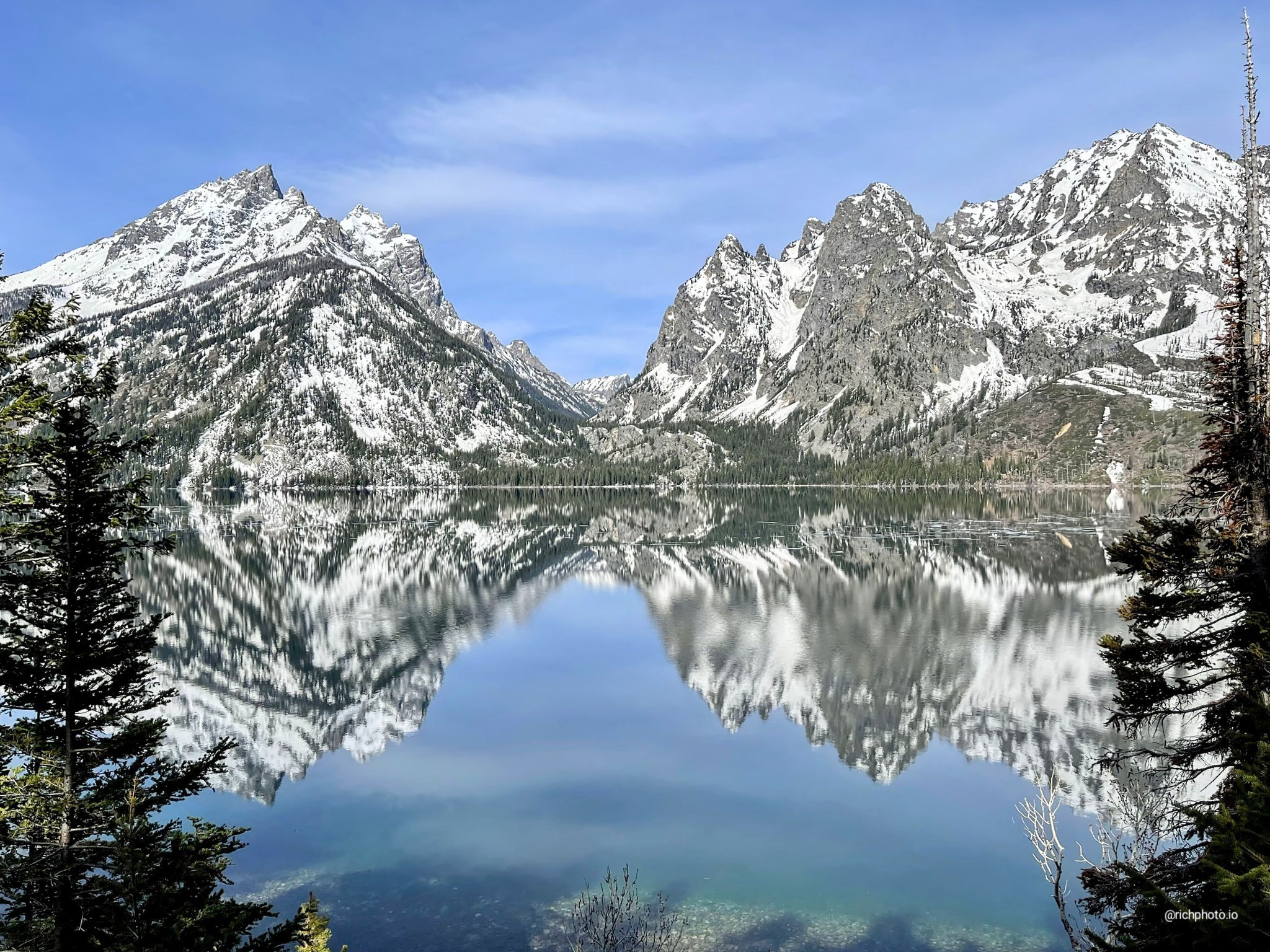
Great reflections happen where water meets dramatic scenery. Look for calm lakes, slow-moving rivers, or even puddles after rain. In Grand Teton, Jenny Lake and Oxbow Bend are famous for mountain reflections. In the Smokies, look for still sections of streams or larger bodies of water like Fontana Lake. The best spots often have trees or mountains close enough to create a strong mirrored image without too much wind disturbing the water’s surface. Take time to walk around the area and scout different viewpoints. Sometimes the perfect reflection is just a few steps off the main trail or around a bend in the river.
Time It Right for Calm Water
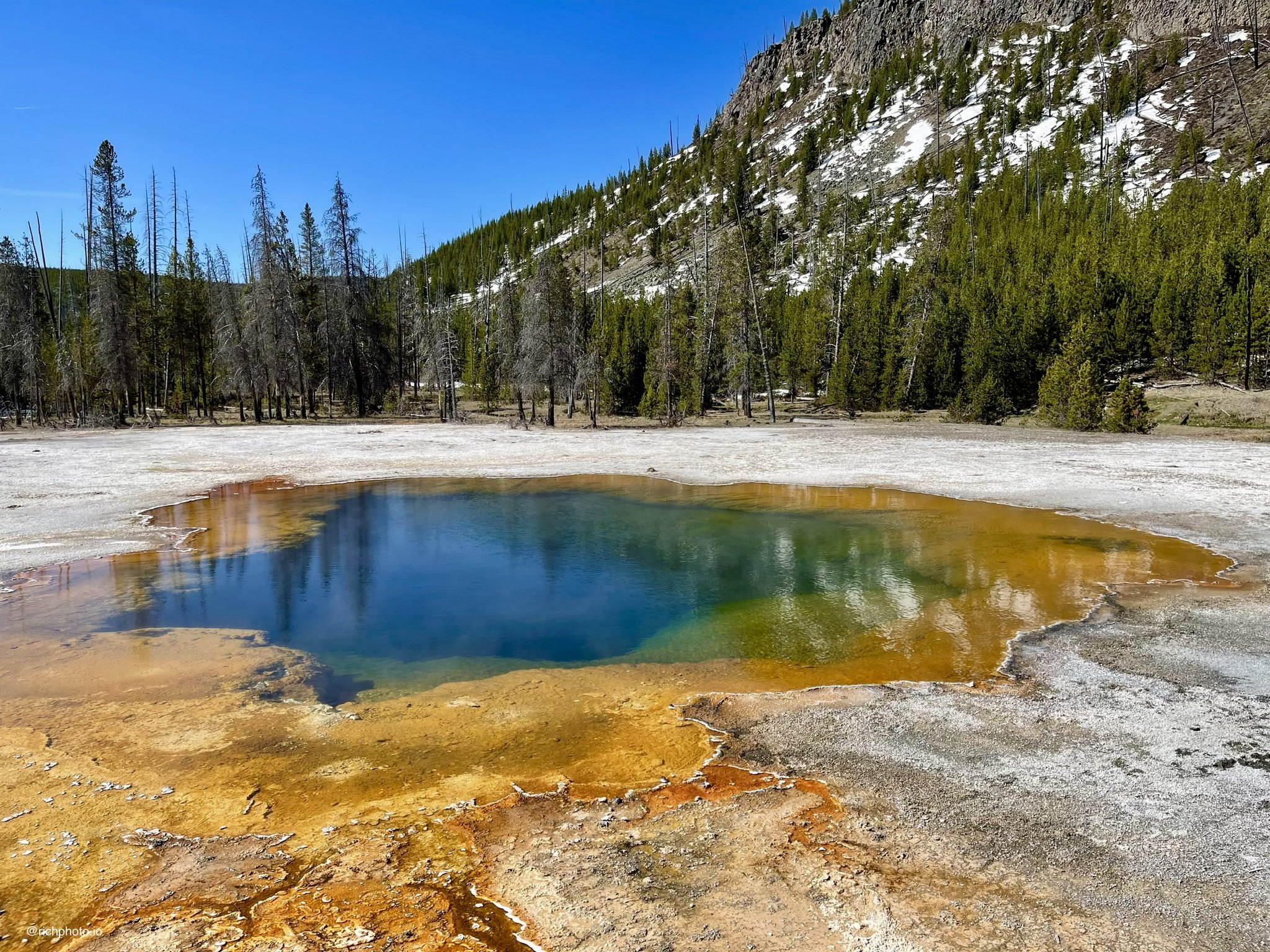
The water needs to be as still as possible for clean reflections. Early morning and late evening are best because the wind is usually calmer. Golden hour adds warm colors that reflect beautifully. Overcast days can work well too, since the soft light reduces glare and makes colors rich. If there is a light breeze, wait for a calm moment or shoot from a more sheltered spot. I have waited 10-15 minutes at a lake and been rewarded with a perfect mirror image once the wind died down. Planning your visit around sunrise or sunset also gives you the best chance at dramatic light and fewer people disturbing the water.

Get Low and Get Close
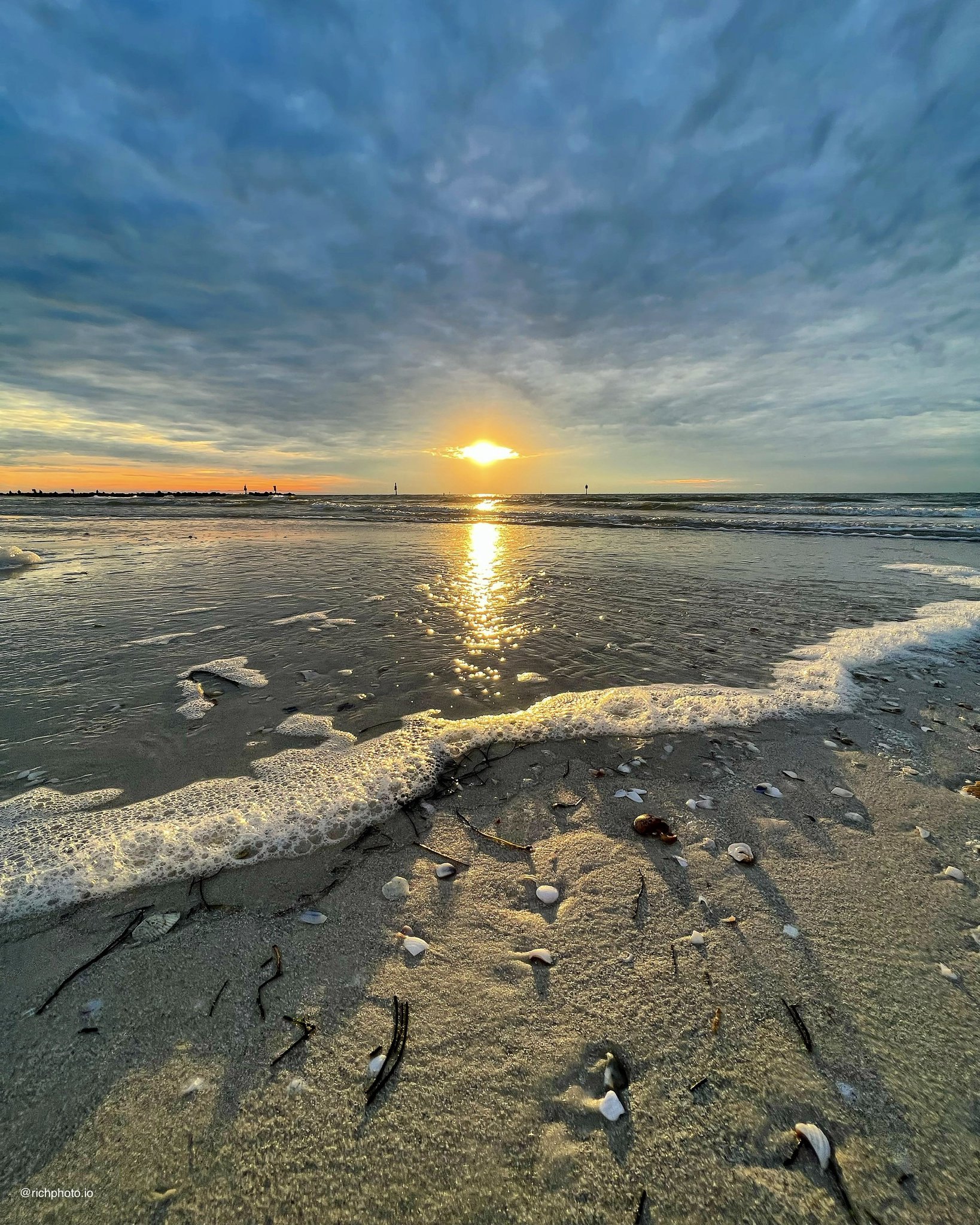
Standing at eye level usually gives you a flat, distant reflection. Drop down low — kneel, sit, or even lie on the ground — so your phone is almost level with the reflective surface. This makes the reflection fill more of the frame and creates a more immersive feel. Use your phone’s wide lens or macro mode for tight, intimate reflections of tree branches or leaves touching the water. Getting close also helps your lens focus sharply on the reflection itself. These lower angles often create more powerful and unique images than the safe, standing shots everyone else takes.
Use Mountains and Trees as Natural Frames
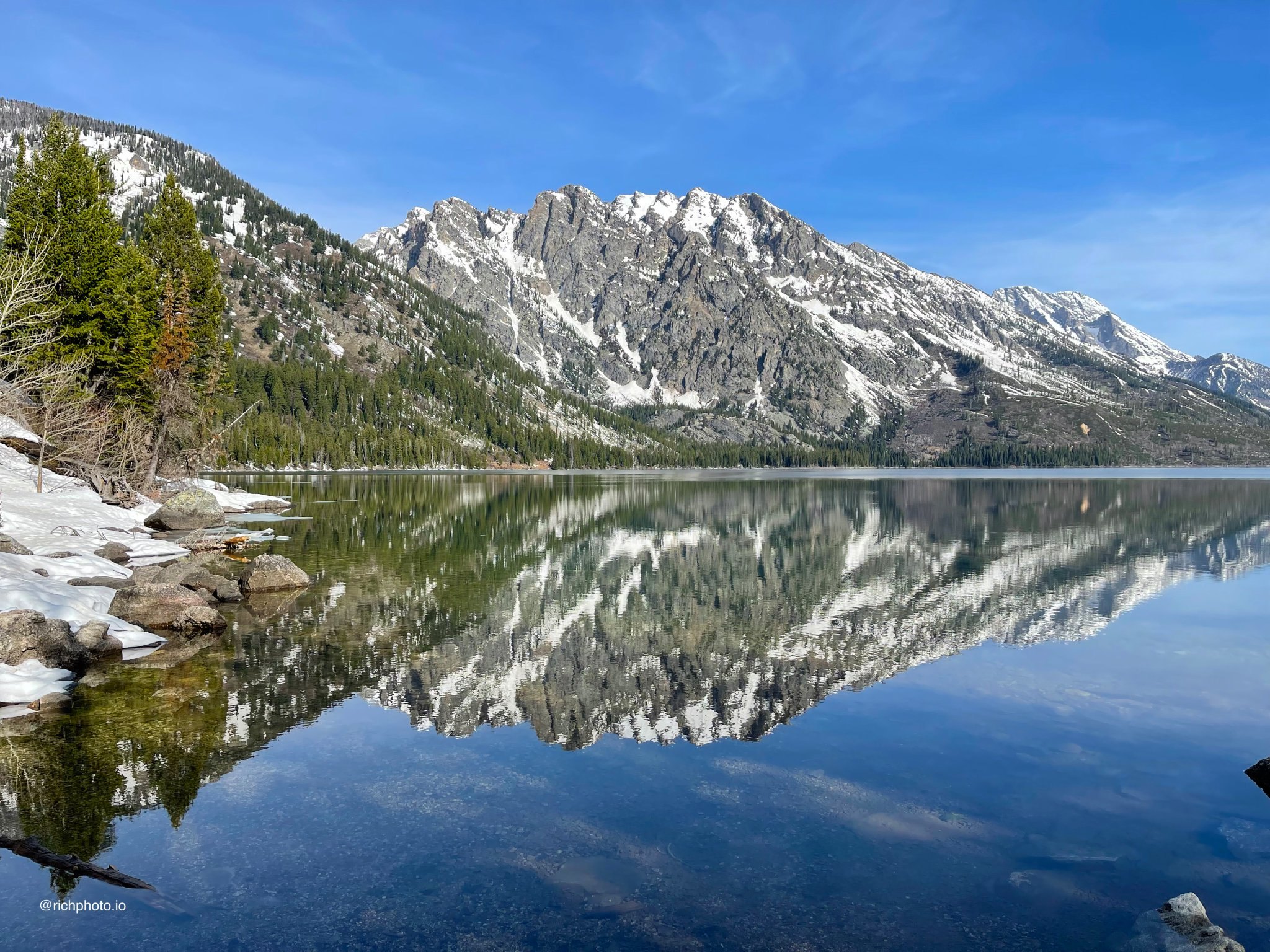
Mountains and trees are perfect for reflection photography. Position yourself so the peaks or tall trees are reflected symmetrically or create interesting patterns in the water. Use foreground elements like rocks or fallen logs to frame the reflection. In the Tetons, a single tree in the foreground with the mountains behind it creates a classic, powerful composition. In the Smokies, layered ridges reflected in a still lake feel almost painterly. Play with how the real scene and its reflection interact to make the photo feel balanced and intentional.
Handle Wind and Ripples
A little wind can add texture to the water, but too much destroys the reflection. If the water is rippling, wait for calmer moments or shoot from a more protected cove. Sometimes a gentle ripple can create an abstract, painterly effect that is still beautiful. Use burst mode to catch the split second when the surface calms out. The key is patience and being ready when the conditions line up. On windy days, focus on tighter compositions or abstract details instead of trying to force a perfect mirror image.
Quick Composition Tips
Use the rule of thirds to place the horizon low so the reflection dominates the frame.
Try both horizontal and vertical orientations for different feels.
Look for symmetry or interesting asymmetry between the real scene and its reflection.
These small choices help you create stronger, more intentional images even when the conditions are not perfect.
Edit to Make the Reflection Pop
Open the photo and make subtle adjustments. Increase contrast and clarity to sharpen the reflected details. Pull down highlights if the sky is too bright and add a touch of vibrance to make colors richer. A slight crop can tighten the composition and remove distractions. Keep edits natural so the photo still feels like the beautiful place you experienced. Sometimes a subtle warmth adjustment helps the reflection feel more golden and alive in the frame.
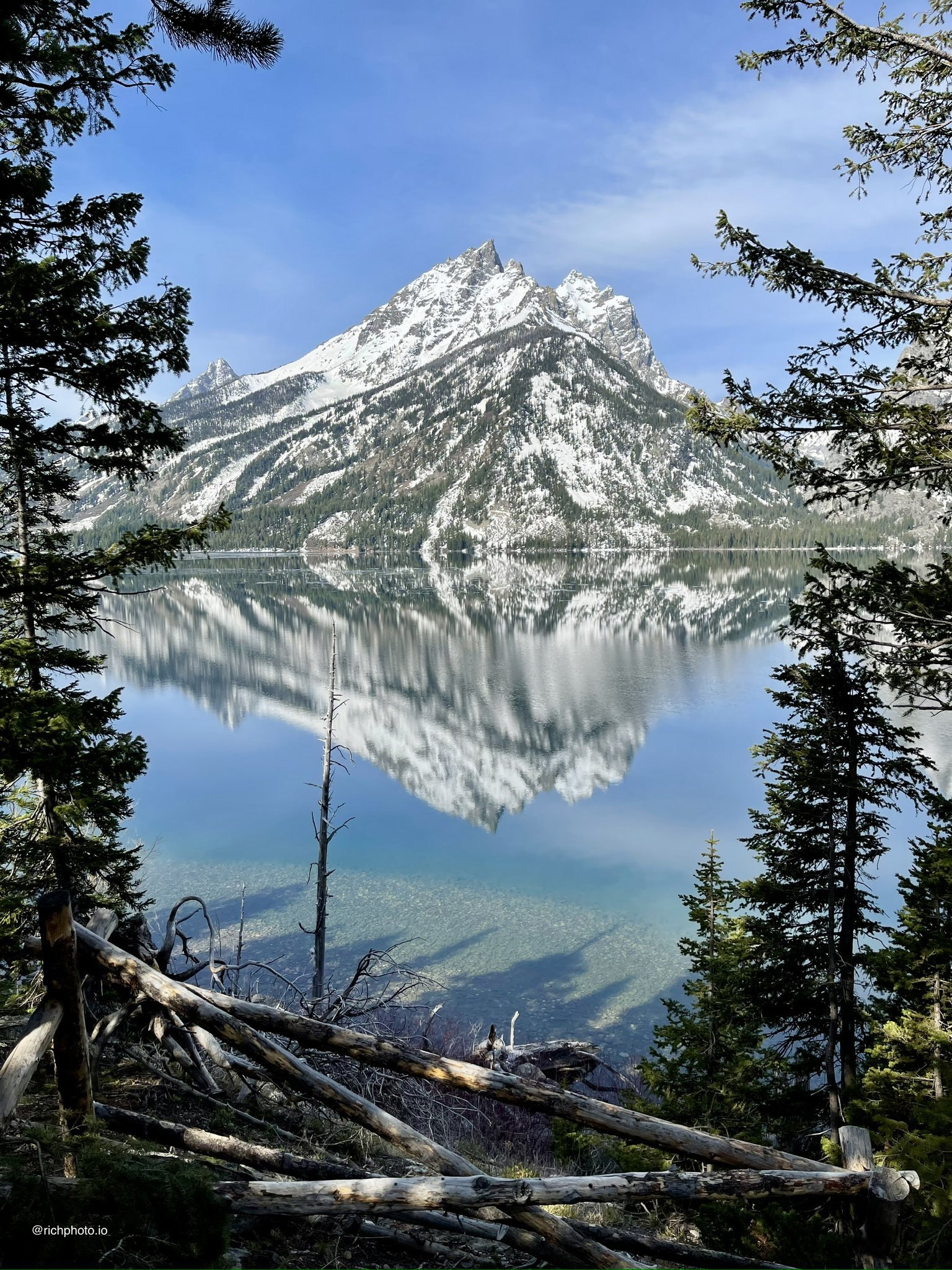
Reflections in nature are one of those subjects that reward slowing down and really looking. Whether you are capturing a mountain peak doubled in a lake or trees lining a quiet river, your phone is more than capable of creating beautiful, memorable images. Next time you are near water with mountains or trees around, take a few extra minutes to explore the reflections. You might come home with some of your favorite shots.
-Rich | richphoto.io
Rich Photography · Lexington, Kentucky