January 16, 2026
The Hidden World at Your Feet: A Guide to Macro Photography
We spend so much of our time as photographers chasing the "big" moments: sweeping mountain ranges, dramatic city skylines, or perfect golden-hour portraits.
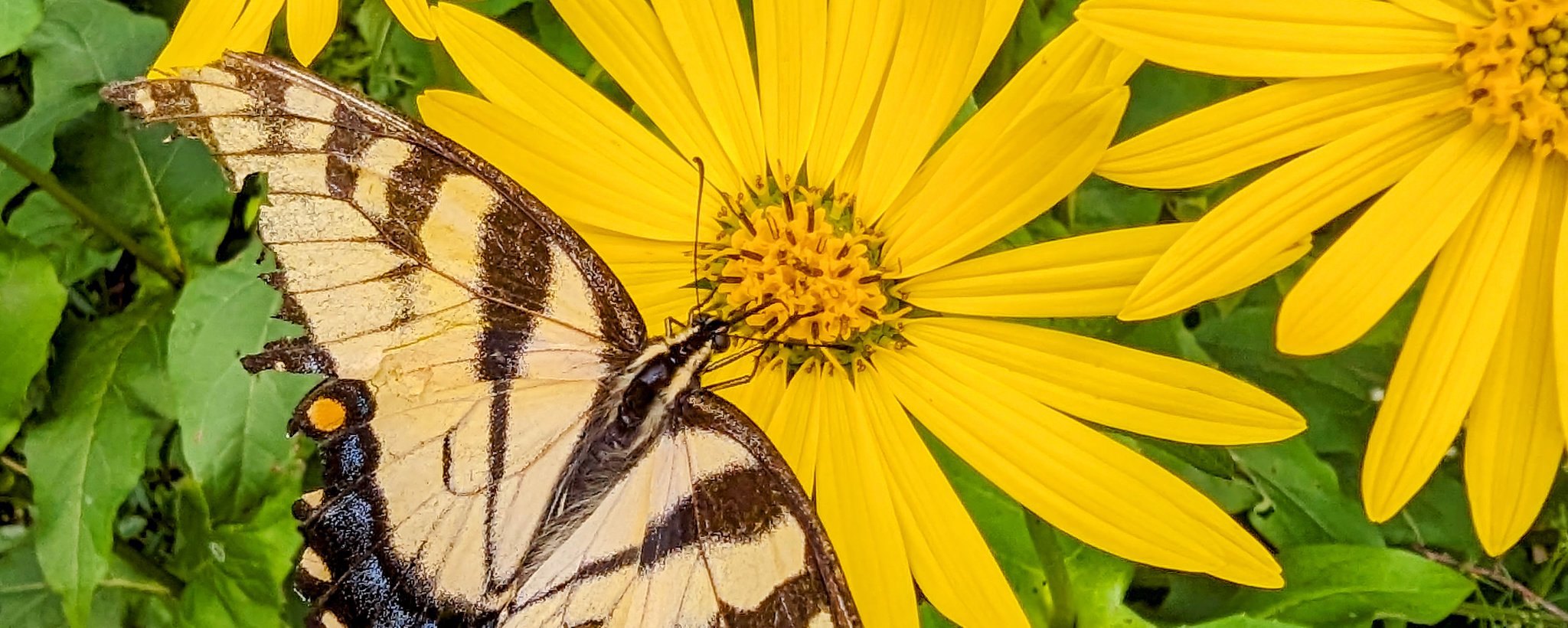
We spend so much of our time as photographers chasing the "big" moments: sweeping mountain ranges, dramatic city skylines, or perfect golden-hour portraits. But there is an entirely different universe existing right under our noses—or more accurately, right under our boots.
Macro photography is the antidote to the rush of daily life. It forces you to slow down, stop moving, and look at the textures on a flower petal or the alien-like structure of a jumping spider. It’s not just about making small things look big; it’s about revealing a layer of reality that the naked eye completely misses.
If you’re looking to dive into this miniature world, here is what I’ve learned about capturing the tiny details.
1. The Gear: Start With What You Can
There is a myth that you need a $1,000 lens to start shooting macro. While a dedicated macro lens is fantastic (and offers that 1:1 magnification without distortion), you don't have to wait until you can afford one.
Extension tubes are a great, affordable workaround that lets you use your current lenses to get closer. The key isn't just the glass, though—it’s stability. When you are zoomed in that tight, the tiniest hand shake looks like an earthquake. Use a tripod. It’s the single best way to ensure your shots are tack-sharp, especially since you’ll often be working with less light than you’d like.
2. The Technical Learning Curve
Macro plays by its own rules, specifically regarding focus and depth of field.
When you are inches away from a subject, your depth of field (the area in focus) becomes razor-thin. Even at f/2.8 or f/4, you might find that the fly’s eye is sharp, but its nose is blurry.
• Aperture: Don't be afraid to stop down (higher f-number) if you need more in focus, but remember that cuts your light.
• Focusing: Forget autofocus. It will hunt and peck and drive you crazy. Switch to manual focus. Using your camera’s "Live View" to zoom in on the LCD screen and dial in the focus manually is a game-changer.
• Light: Natural light is usually best—early morning is magical because the light is soft and the insects are still cold and slow moving. If the shadows are too harsh, a simple reflector (or even a white piece of paper) can bounce light back onto the subject.
3. Composition and Backgrounds
Because you are so focused on the subject, it is easy to forget what is behind it. In macro, the background is just as important as the foreground. A messy pile of twigs behind a beautiful butterfly can ruin the shot.
Try to fill the frame with your subject to create intimacy, but keep an eye on the negative space. Sometimes, shifting your angle by just an inch can change a distracting gray background into a creamy, green wash of color that makes your subject pop. Don’t just shoot from eye level—get on the ground. Get dirty. The world looks different from down there.
4. The "Zen" of Macro
This style of photography requires a massive amount of patience. You are often working with living subjects that don't care about your portfolio. You have to observe them. Learn how they move. Wait for the wind to die down so the flower stops bobbing.
And, importantly, respect the environment. We are visitors in their world. Never freeze insects to make them stay still (an unfortunately common myth) and try to leave the area exactly as you found it.
5. The Edit and The Share
When you get back to your computer, don't be afraid to use post-processing to bring the image to life. A little contrast, sharpening, and color correction can help replicate what you saw in the viewfinder.
Finally, share your work. Macro photography evokes a specific kind of wonder in people because you are showing them something they physically cannot see on their own. It’s visual storytelling on a microscopic scale. So grab your camera, go outside, and look down—you might be surprised by what you find.
Rich Photography · Lexington, Kentucky