May 28, 2026
From Fire to Ink: Capturing the Full Twilight Spectrum on Your iPhone
There’s a glorious, fleeting 20-minute window right after the sun dives below the horizon where reality itself goes full cinematic masterpiece.
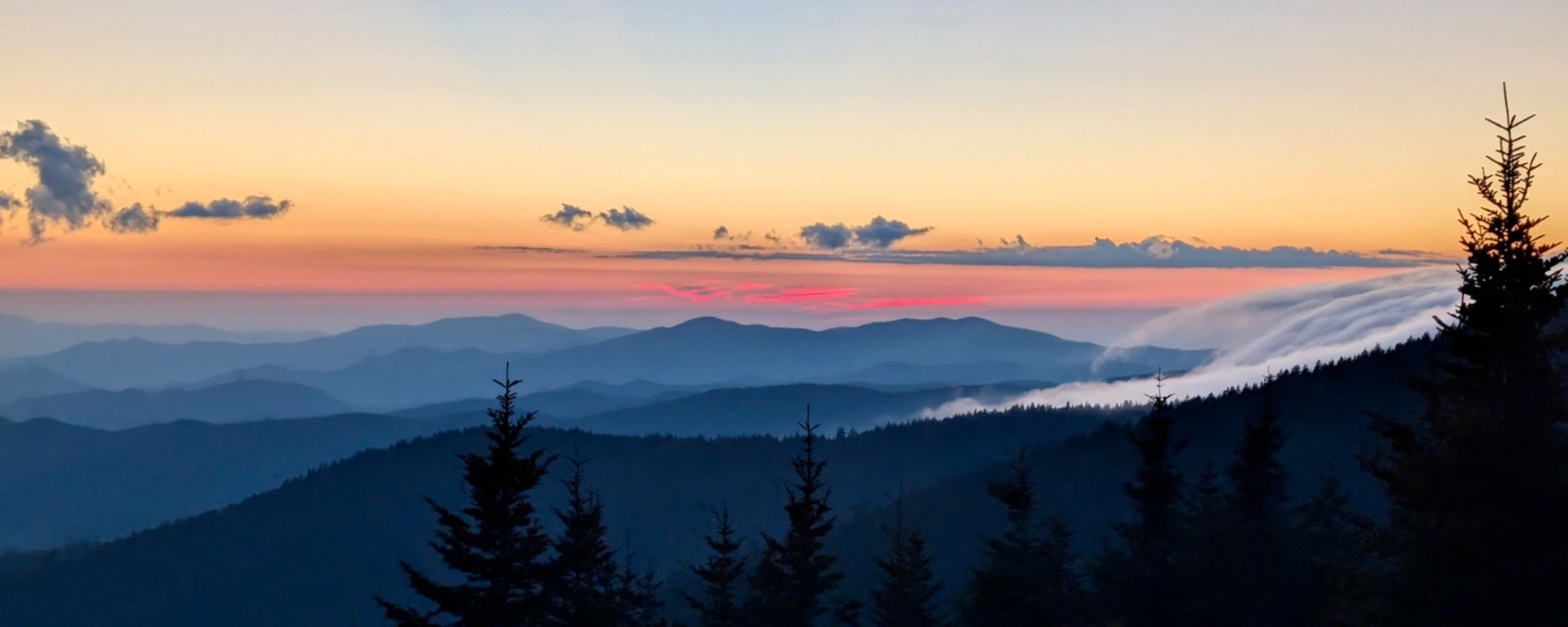
There’s a glorious, fleeting 20-minute window right after the sun dives below the horizon where reality itself goes full cinematic masterpiece. Photographers call it twilight. I call it the universe showing off its gradient game. In those precious minutes, the sky doesn’t just transition — it melts: fiery crimson reds and molten oranges bleeding dramatically into deep, electric ink-blues.
Pull out your iPhone and trust the default camera app, though, and it panics like a rookie astrophotographer. It sees darkness incoming and overcompensates with artificial brightness, leaving you with a sad, grainy, washed-out mess that murders the entire vibe. If you want the real magic — that full fire-to-ink spectrum — you have to wrestle control from the machine.
Ride the Color Shift (Civil to Nautical Dusk)
Twilight isn’t a single mood. It’s a rapid, living performance with two acts.
Right after sunset you get civil dusk: warm oranges, pinks, and passionate reds hugging the horizon like the sky is blushing. Then comes nautical dusk, where the upper atmosphere eats the longer red wavelengths and scatters a rich, velvety blue across the dome above.
The money shot is the collision zone — that perfect moment where the burning horizon meets the deepening cosmic blue overhead. Timing is everything. Get in position early and compose to deliberately frame that dramatic temperature shift.
Hunt for Complementary Contrast
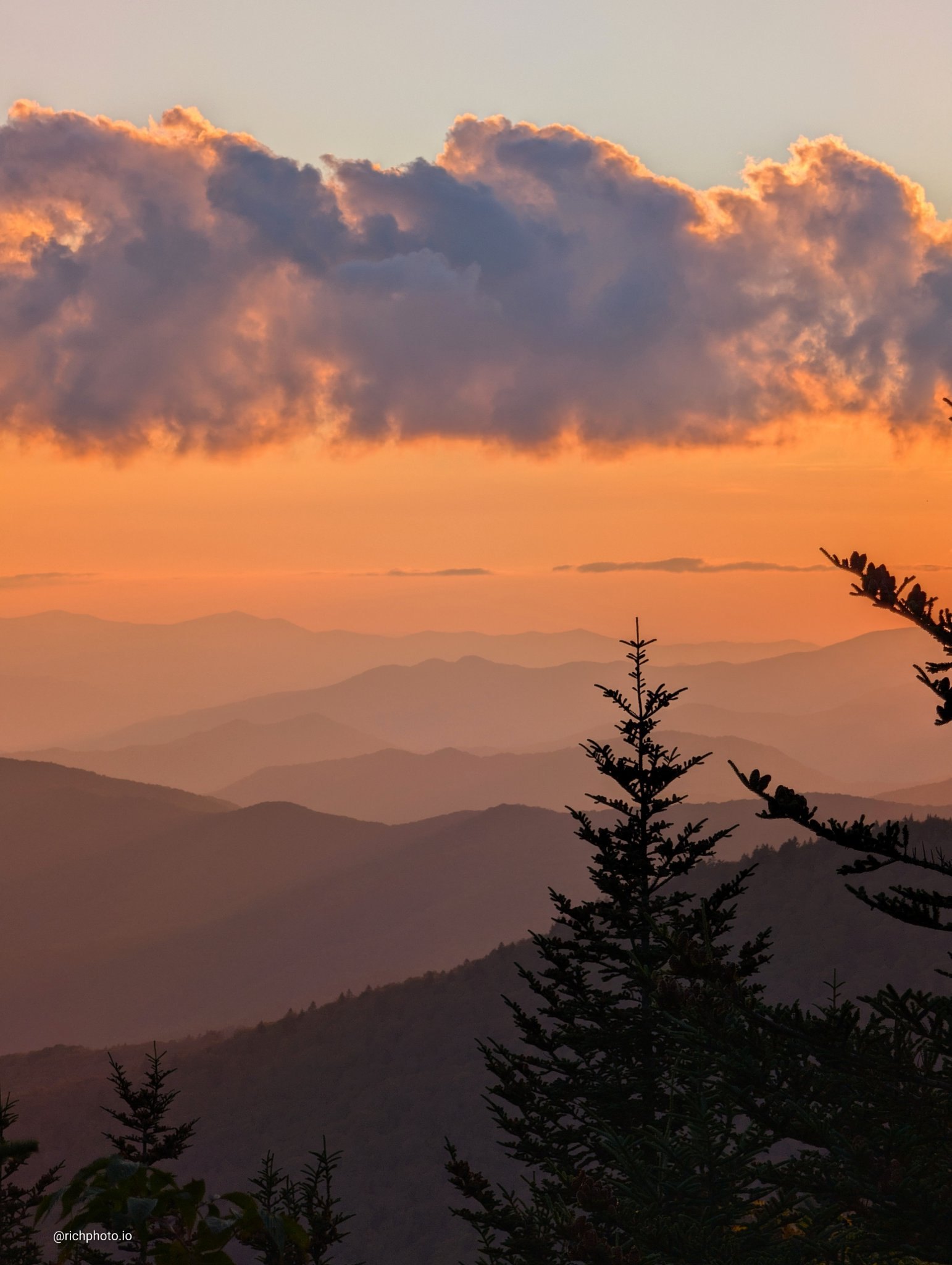
While the sky is putting on its light show, give it a worthy scene partner. Look for warm artificial lights in the foreground: amber street lamps, glowing cabin windows, neon signs, or streaking car headlights. If a city isn't your thing, use a mountain or a tree to capture that perfect silhouette!
That warm-cool contrast is pure visual catnip. The cooling sky paired with those golden human-made lights creates instant depth, mood, and storytelling. A lone silhouette is fine. A silhouette fighting a glowing skyline? That’s art.
Master Your Stability (Handheld vs. Tripod)
Twilight photography is all about light — and the less there is, the more your phone needs to stay dead still.
Handheld? Brace those elbows tight against your ribs, exhale, and channel your inner sniper. But if you want to unlock the iPhone’s true low-light sorcery, bring stabilization. A small tripod, or even propping securely against a railing or rock, changes everything.
Once the phone’s gyroscope senses zero movement, it happily grants you much longer exposures. The difference between a slightly soft shot and a tack-sharp masterpiece is often just a few ounces of aluminum and some patience.
Push Night Mode to the Max
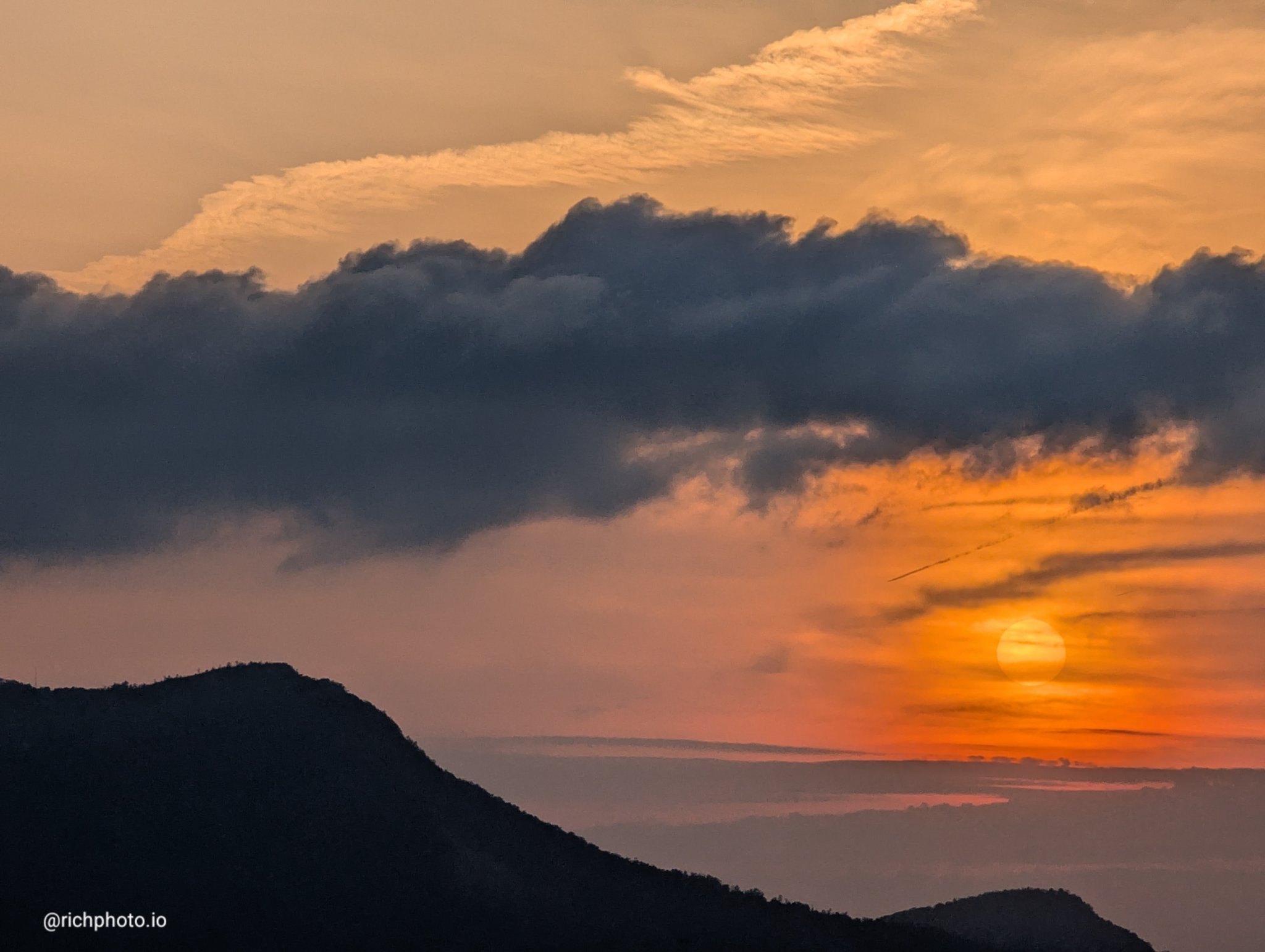
When the blue phase deepens and that yellow Night Mode icon appears, don’t be lazy. Tap it and drag the exposure timer all the way to Max.
- Handheld: Usually gives you a clean 2–3 seconds.
- Tripod or solid surface: The phone confidently goes 30+ seconds, drinking in every last photon.
This is where the sensor pulls rich, low-noise color and detail out of the shadows while keeping that vibrant fire-and-ink sky intact.
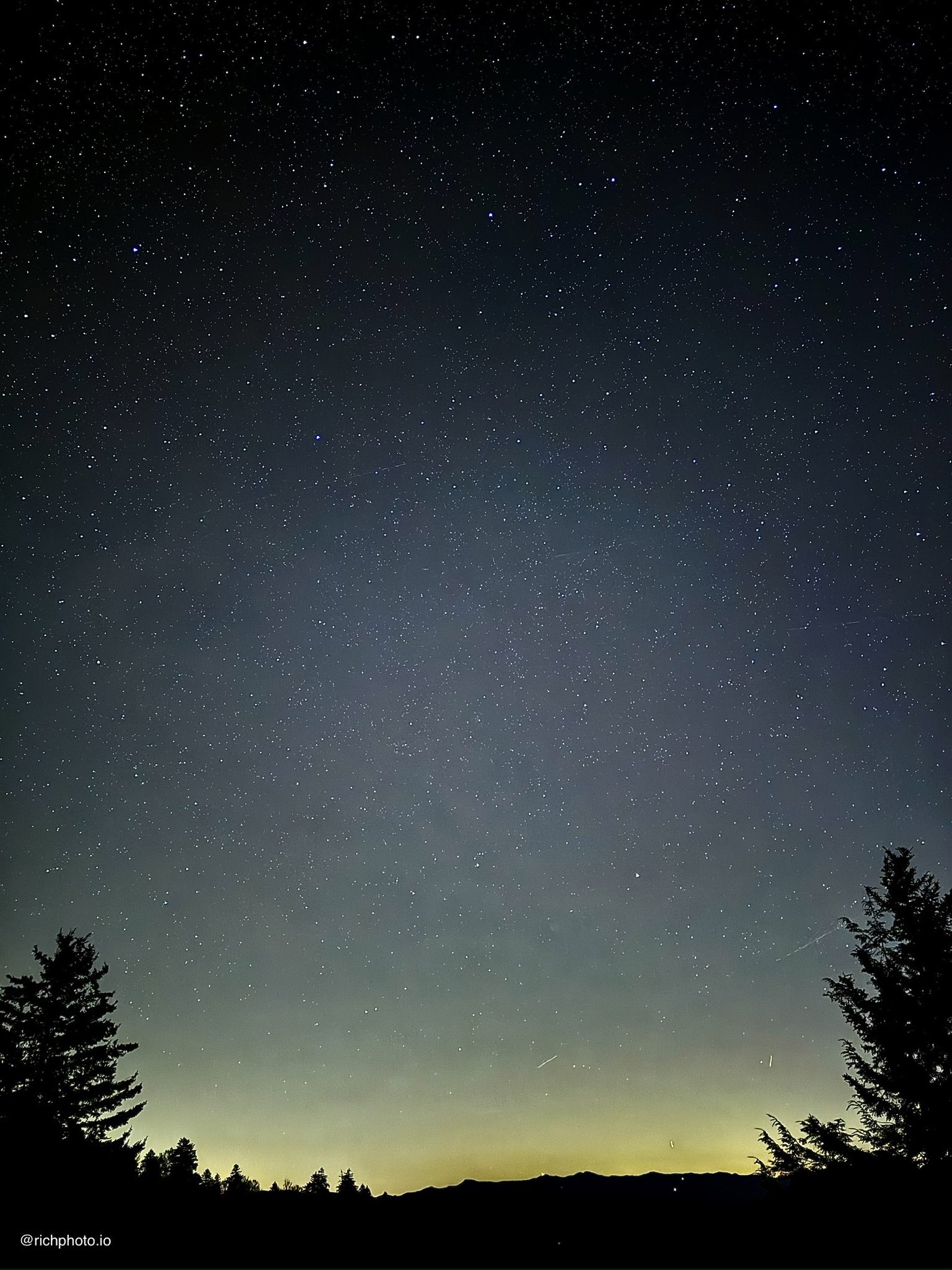
Lock-In Maximum Resolution
Smooth twilight gradients are banding magnets — that ugly stair-step effect where orange turns into chunky blocks instead of silk.
Fight back by shooting with HEIF Max (if available). You get the full sensor resolution and buttery-smooth color transitions. ProRAW is also an option if you love editing, but remember: it hands you flat, lifeless data on purpose. You’ll need to cook it back to life in post. For most people chasing that “wow” straight out of camera, HEIF Max is the sweet spot. Enable this in camera settings.
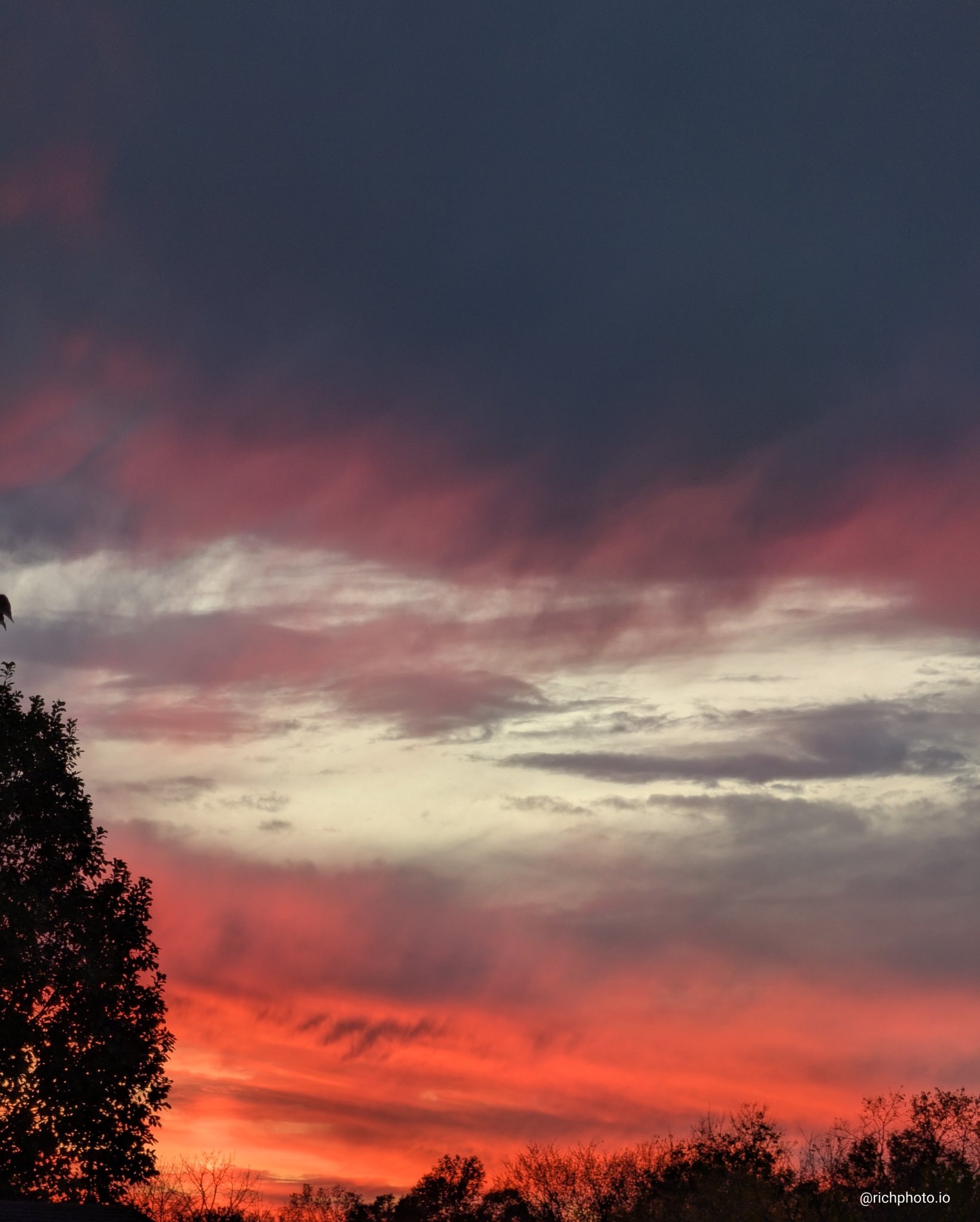
Work the Reflections
Twilight light is incredibly soft and diffused — perfect for turning surfaces into living mirrors. Lakes, rain puddles, wet pavement, even a glossy car hood become co-stars.
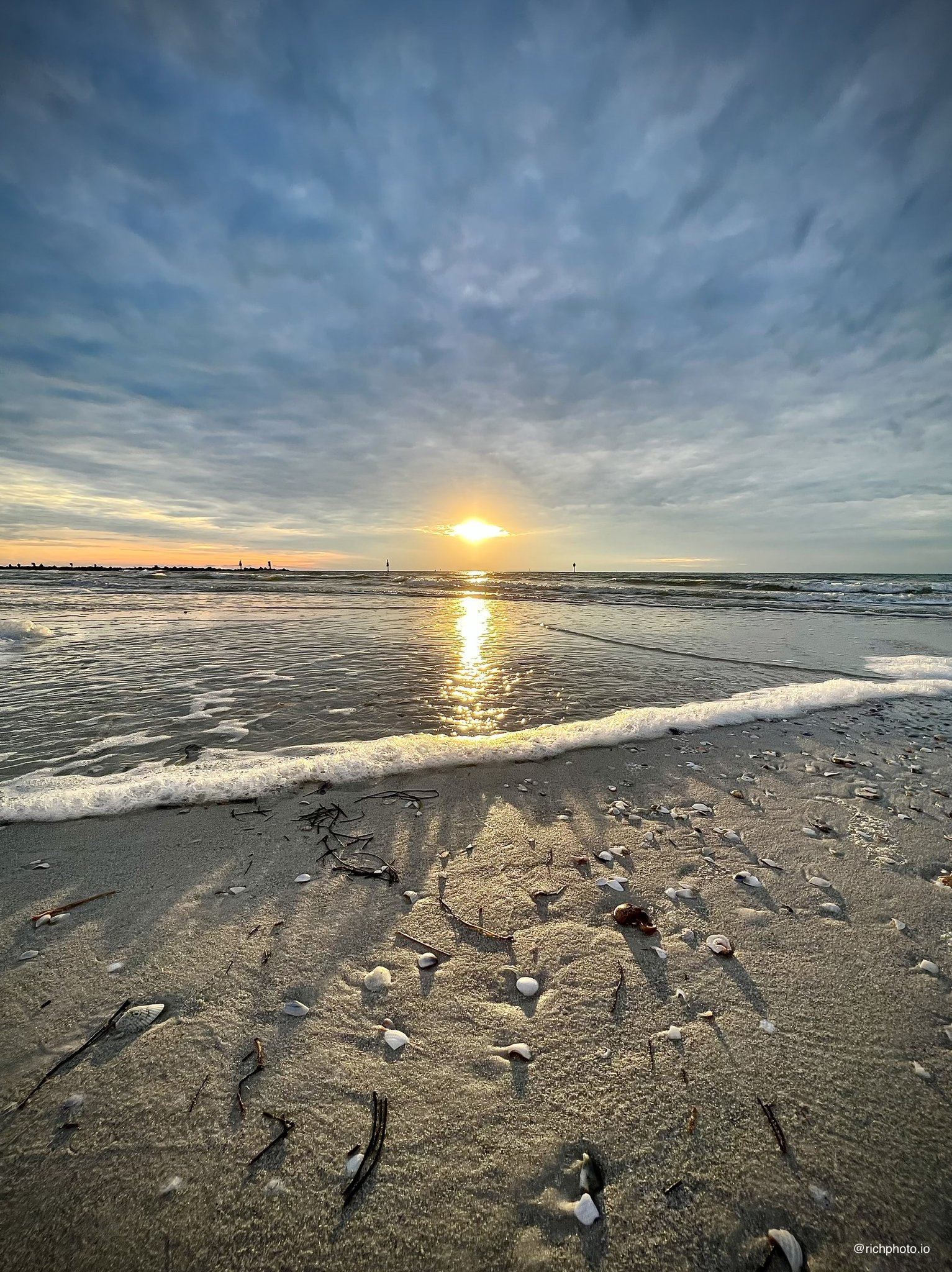
Crouch low, flip your iPhone upside down, and hover the lenses just above the surface. You’ll get that perfect split-frame symmetry: fire above, fire below, with ink-blue in between. It looks expensive, intentional, and borderline magical.
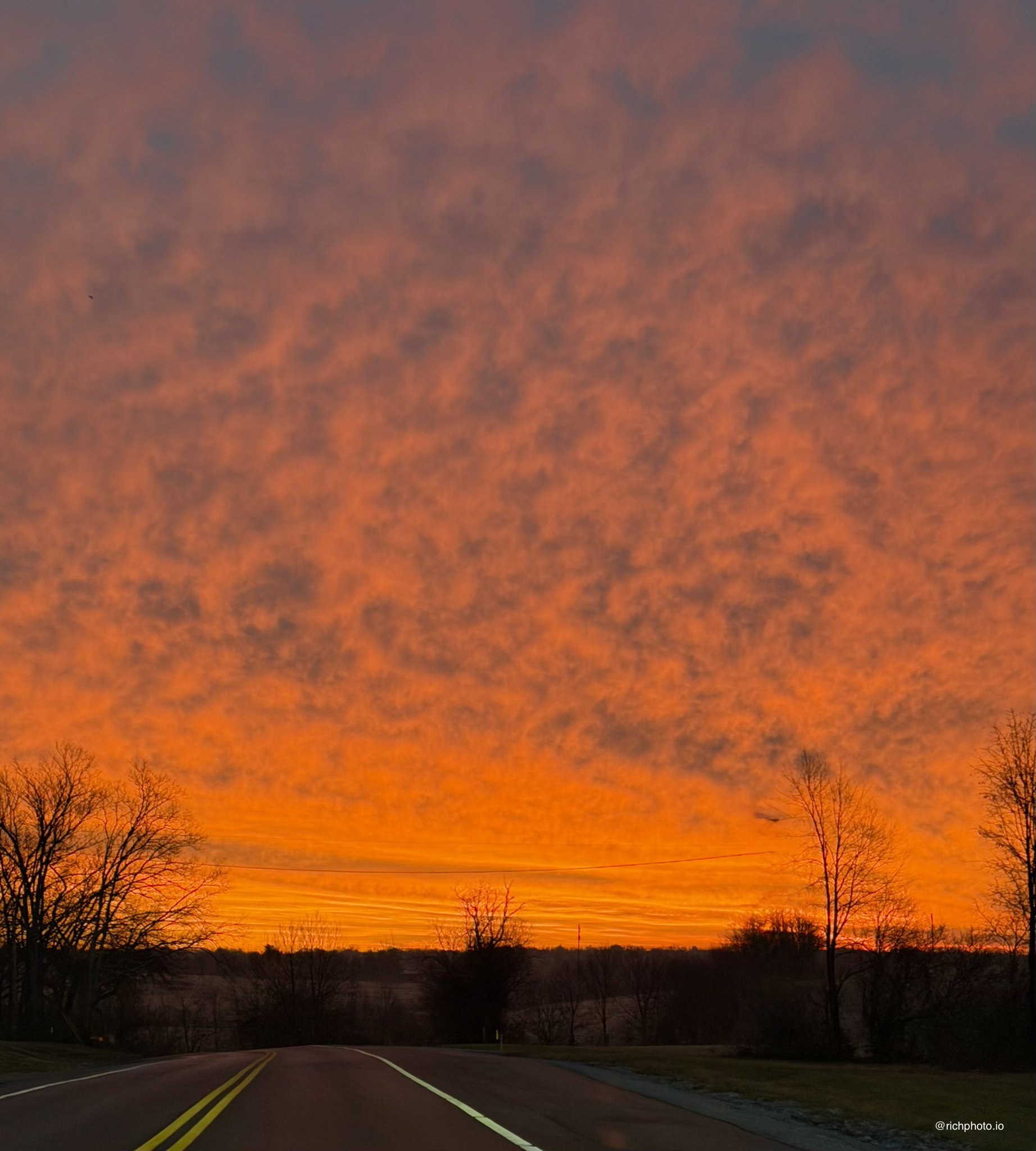
Twilight waits for no one. The blazing orange you fell in love with will be deep indigo faster than you expect, so show up early, scout your frame while the sun’s still setting, and stay glued to the sky. Once true darkness falls, the spell breaks.
Now get out there tonight and steal some of that cosmic beauty before it slips away. The universe is putting on a show...your job is to hit record.
-Rich | richphoto.io
Rich Photography · Lexington, Kentucky