January 31, 2026
The Feline Paparazzi: How to Photograph Cats Without Losing Your Mind
If you have ever tried to take a decent photo of a cat, you know the struggle.
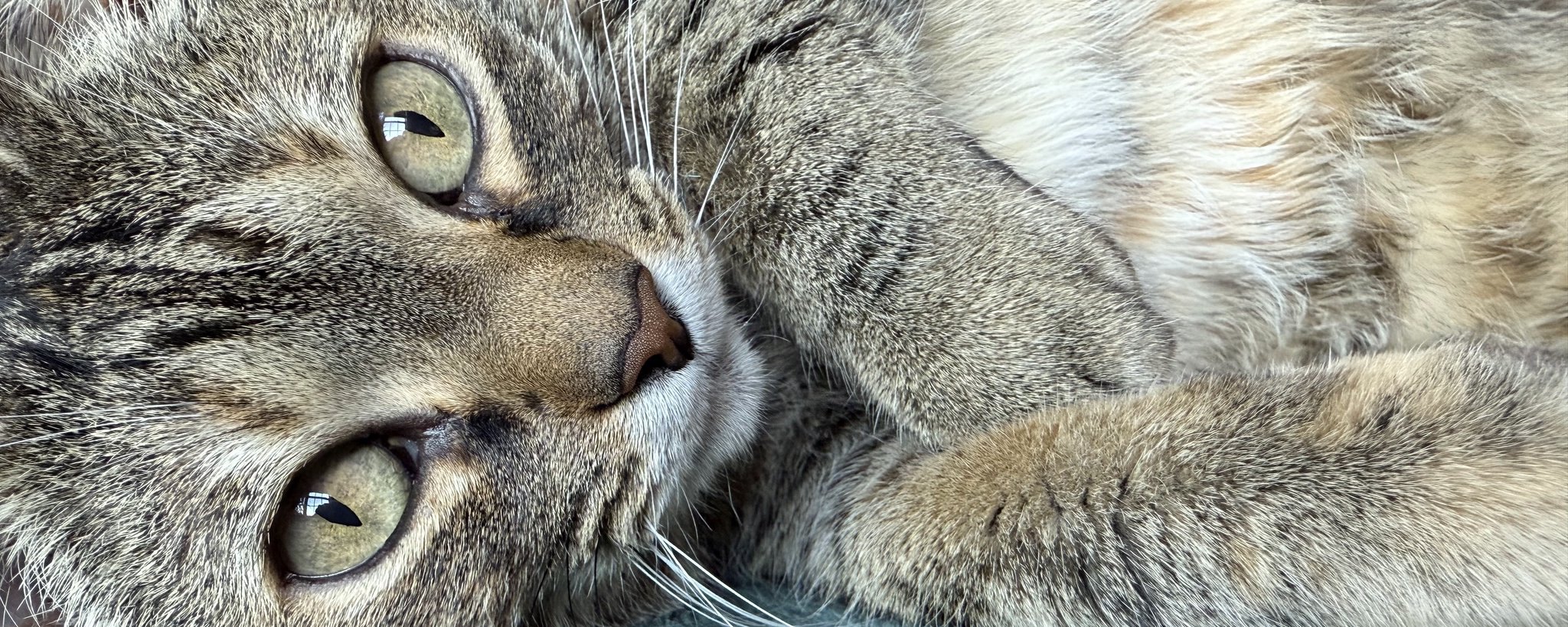
If you have ever tried to take a decent photo of a cat, you know the struggle. You see your cat sleeping in a patch of afternoon sun, looking like a celestial being sent to earth to teach us about peace. You quietly reach for your camera. You hold your breath. You frame the shot. And the nanosecond the shutter clicks, they move. Usually to groom themselves in a way that is... less than photogenic.
Cats are notoriously difficult subjects because they don't care about your portfolio, your Instagram feed, or the rule of thirds. They care about naps, treats, and the invisible demons on the ceiling. But capturing their personality is possible—you just have to play by their rules.
Here is how to get the shot without stressing out your feline friend (or yourself).
1. Turn Off the Flash
This is rule number one for a reason. Cats have incredibly sensitive eyes. A bright burst of flash isn't just annoying; it can be startling and unpleasant for them. Plus, flash tends to give them "laser eyes" (that eerie green/yellow glow) and flattens out the texture of their fur.
• The Fix: Stick to natural light. Window light is your best friend. If you’re shooting indoors, open the blinds and let the sun do the heavy lifting. The lighting will be softer, and your cat will be much more relaxed.
2. Get On Their Level
Most bad cat photos happen because the photographer is standing up, pointing the camera down. This perspective makes the cat look small and distant—it’s the "human view."
• The Fix: Get down on the floor. Yes, you might look ridiculous lying on your stomach in the living room, but the results are worth it. Shooting at the cat's eye level draws the viewer into their world. It makes them look majestic, predatory, or goofy, rather than just "small animal on a rug."
3. Focus on the Eyes
In wildlife and pet photography, if the eyes aren't sharp, the photo usually doesn't work. The eyes are where the emotion is.
• The Fix: Set your focus point specifically on the eye closest to the camera. If your camera has "Animal Eye AF" (Autofocus), turn it on—it’s a game changer. If the eyes are crisp, you can get away with a little softness elsewhere in the image.
4. The Art of Bribery
You cannot command a cat to "sit" or "stay" (unless you have a very unusual cat). You have to persuade them.
• The Fix: Keep a stash of high-value treats or a crinkly toy nearby.
• For action shots: Use a feather wand to get them jumping or pouncing.
• For portraits: Hold a treat or a toy right above your camera lens. This tricks them into looking directly at the barrel, giving you that intense, engaged eye contact.
5. Patience is Everything
Dogs might pose for praise; cats might pose if they feel like it, maybe, later. The best shots often happen in the "in-between" moments—the yawn after the nap, the stretch, or the moment they spot a bird outside.
• The Fix: Don't force it. If the cat puts their ears back or flicks their tail, they are done. Put the camera away. The best photographer is a patient observer. Sit with them, let them get used to the camera's presence, and wait for them to settle into their natural rhythm.
6. Embrace the Imperfection
Some of the best cat photos aren't the perfect portraits; they are the blurry action shots of "the zoomies" or the close-up of a wet nose smudging the lens.
• The Fix: Don't delete the "mistakes" too quickly. Sometimes a slightly out-of-focus shot captures the chaotic energy of a cat better than a technically perfect one.
Rich Photography · Lexington, Kentucky