March 19, 2026
Chasing the Golden Hour: Mastering the Art of Sunrises and Sunsets
Sunsets and sunrises are easily the most photographed daily events on the planet.
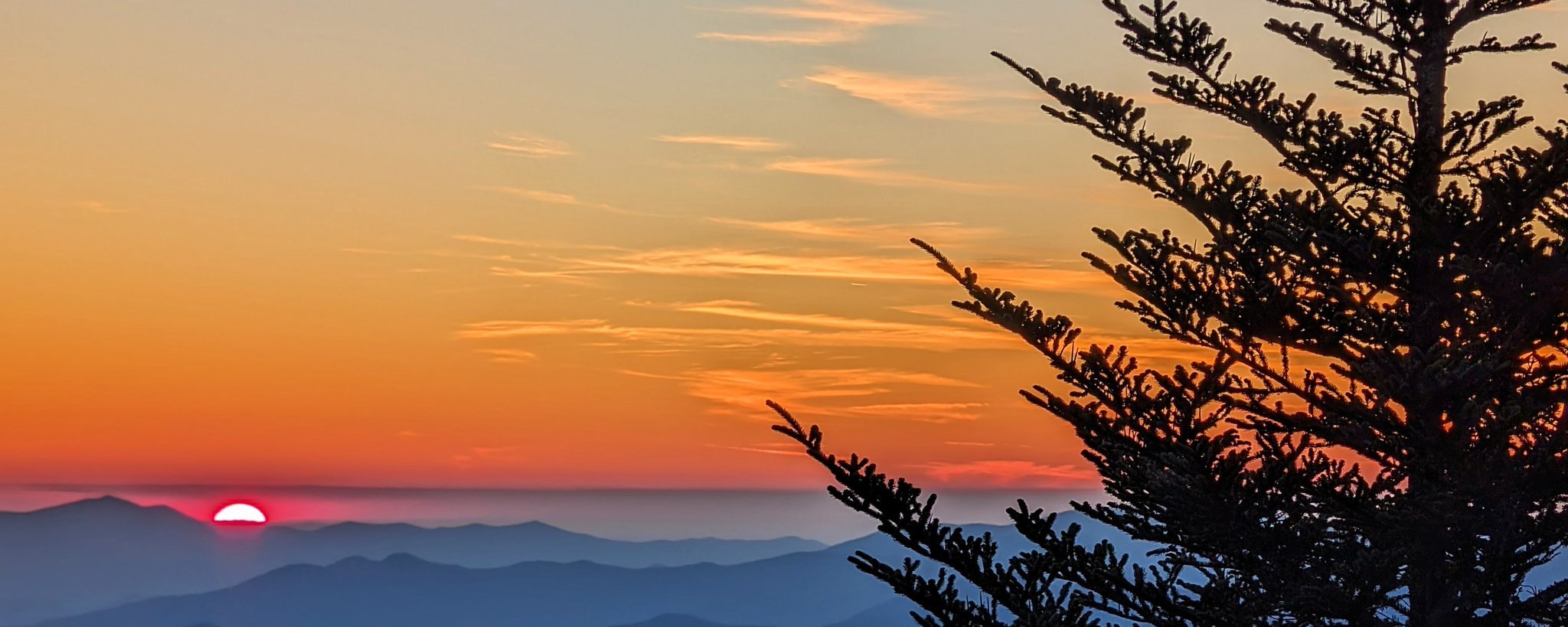
Sunsets and sunrises are easily the most photographed daily events on the planet. Almost everyone stops to snap a picture when the sky turns pink and orange. But why do so many of these photos end up looking like flat, washed out snapshots instead of the epic spectacles we saw with our own eyes? Capturing the transition of light requires more than just pointing your lens at the sun and hoping for the best. It is about understanding exposure, anticipating the light, and looking in the opposite direction of the crowd. Thanks for taking the time to read, and enjoy!
Take Control of the Exposure
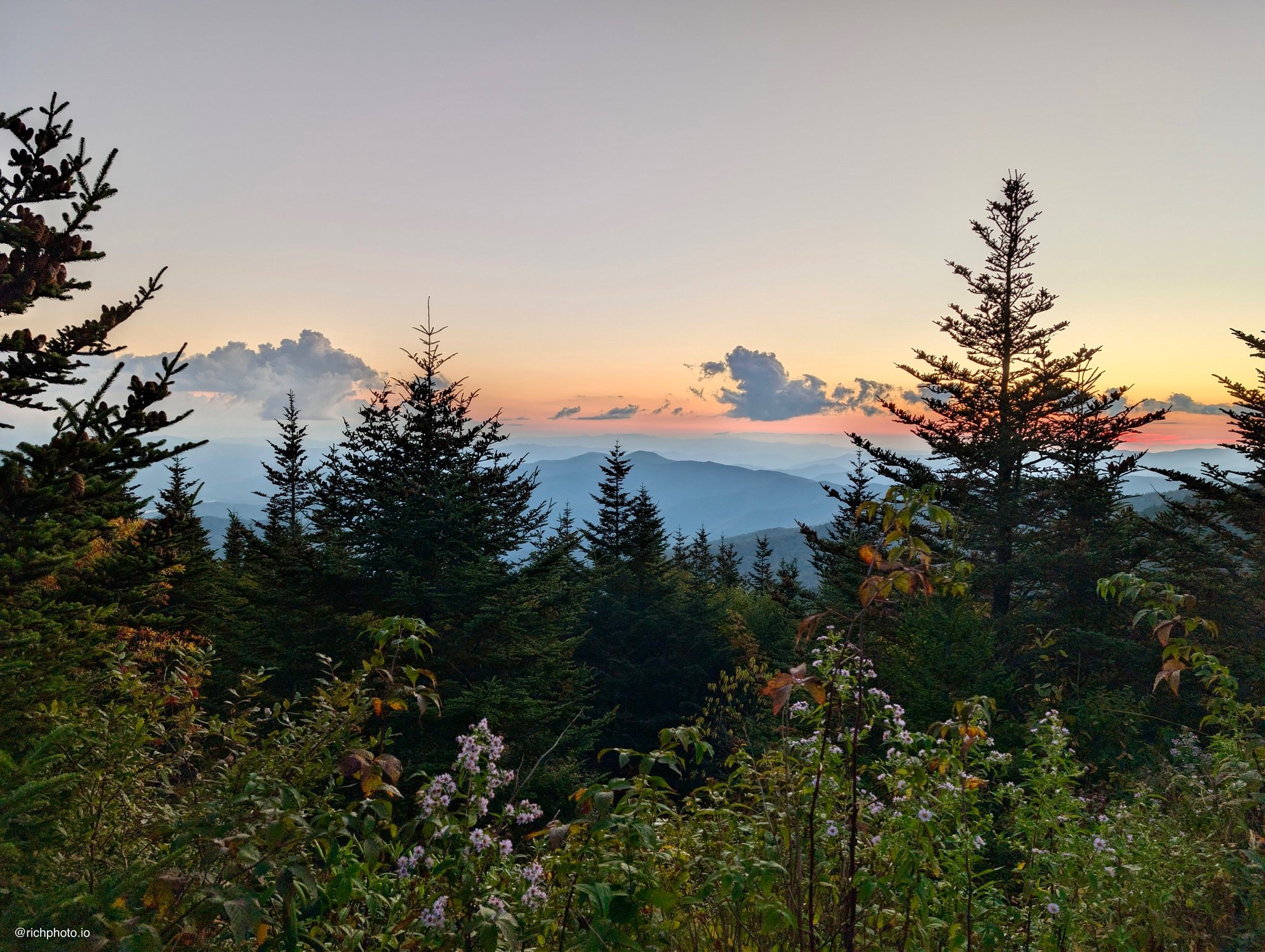
The biggest challenge with photographing a golden hour sky is the extreme contrast. You are pointing your camera directly at the brightest light source in our solar system while the foreground is plunging into darkness. If left on auto, your camera will inevitably panic and try to brighten the ground, which completely blows out the sky and ruins the colors. You have to take manual control of your exposure. Manually darken the entire image before you take the shot. Exposing for the bright sky preserves those deep reds and purples while turning your foreground elements into striking, dramatic silhouettes.
Anchor the Sky
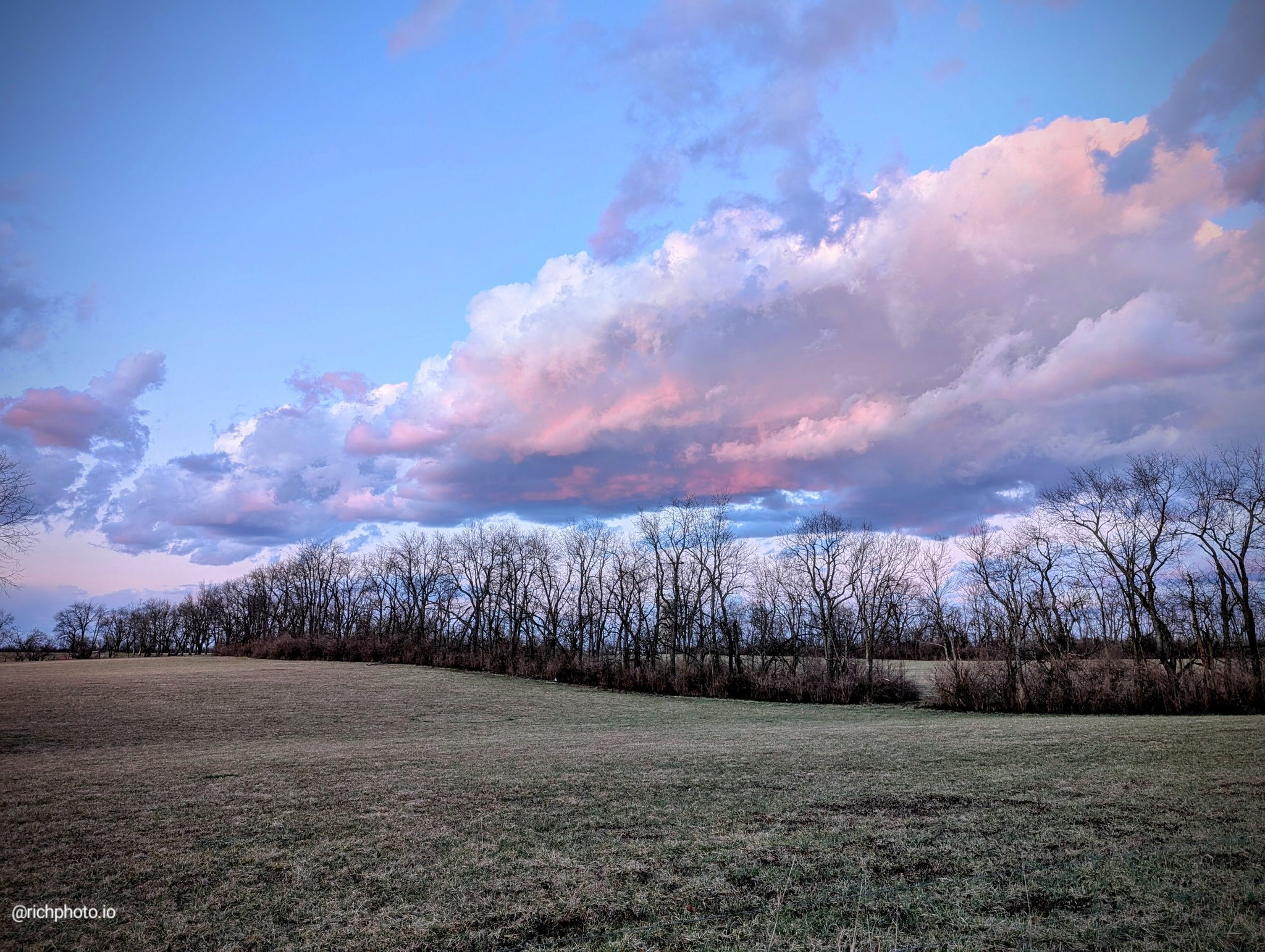
A beautiful sky is just a background waiting for a subject. A photo of pure colorful clouds is pretty, but it lacks depth and gets boring very quickly. To turn a good sunset photo into a great one, you need a solid anchor. Find an interesting foreground element to ground the image and give the viewer some perspective. A grand tree, a pier stretching into the water, or even the silhouette of a person walking past can provide the necessary scale. The spectacular sky should act as dramatic lighting for your subject, rather than the only thing in the frame.
Embrace the Clouds
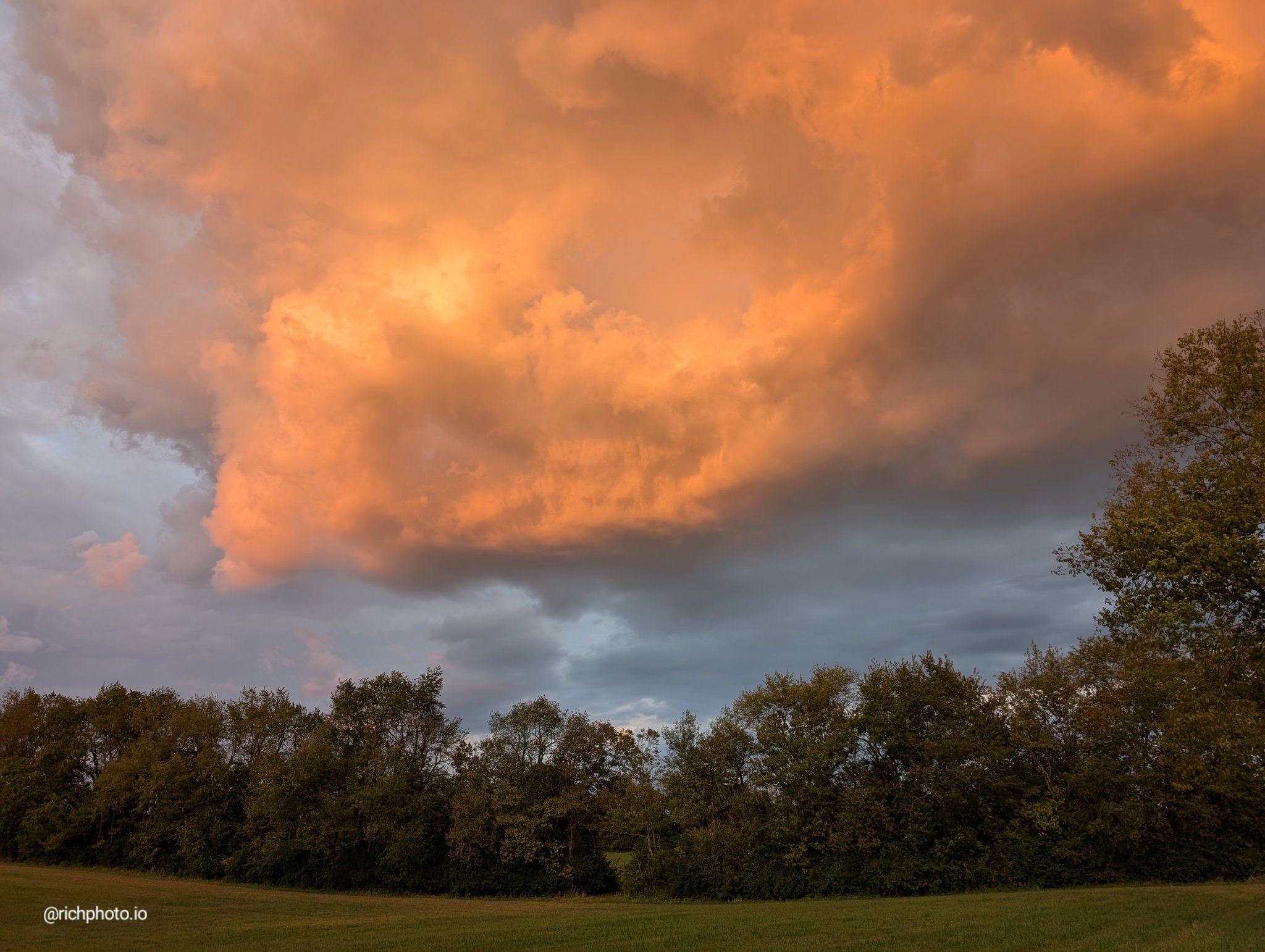
Clear skies are actually the enemy of a truly epic sunset. A completely cloudless sky just creates a smooth gradient of color, which is pleasant but ultimately a bit boring. You really want texture. High altitude clouds catch the light in spectacular ways, reflecting vibrant pinks, purples, and fiery oranges. Before you head out, check the weather forecast for partly cloudy conditions. Those broken clouds will act like a massive canvas for the setting or rising sun to paint on.
Control Your White Balance
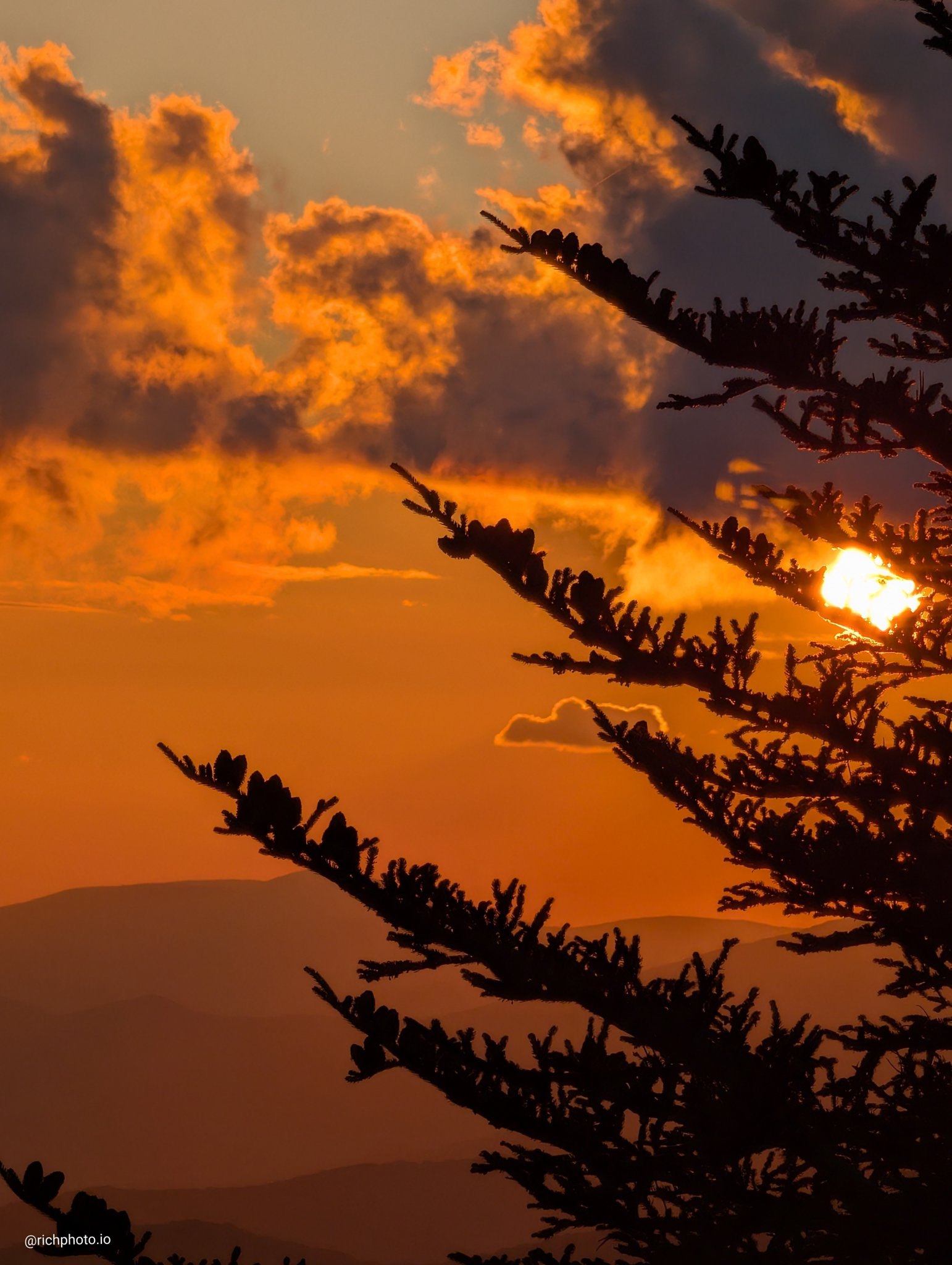
If you leave your camera on its automatic white balance setting, its internal computer will try to correct the scene. It sees the massive influx of warm orange and red light and tries to cool it down, essentially neutralizing the exact colors you are trying to capture. Switch your white balance to the daylight or cloudy preset. This tells the camera to stop trying to fix the scene and allows the natural, warm tones of the golden hour to flood your image exactly as you see them in person.
Outlast the Crowd
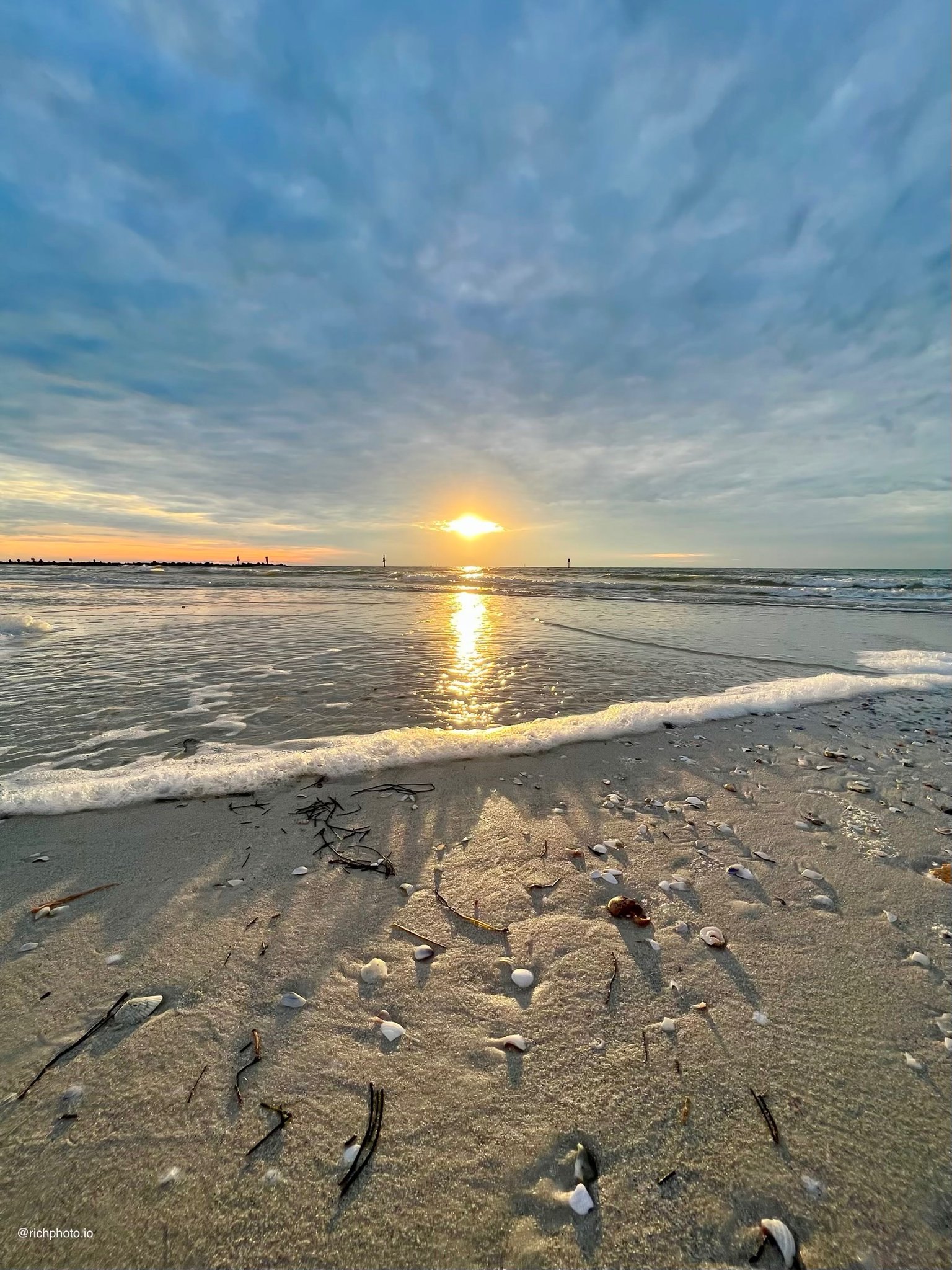
The single biggest mistake photographers make is leaving too early. Once the sun dips below the horizon, the vast majority of people pack up their gear and head home. They are missing the absolute best part of the show. The twenty minutes after the sun vanishes, or right before it rises, brings incredibly soft and ethereal light. The harsh directional shadows are gone, replaced by a glowing pastel atmosphere. Furthermore, the clouds often light up with an incredible afterglow long after the sun is gone. Keep your camera steady, be patient, and wait for the second act.
Look Over Your Shoulder
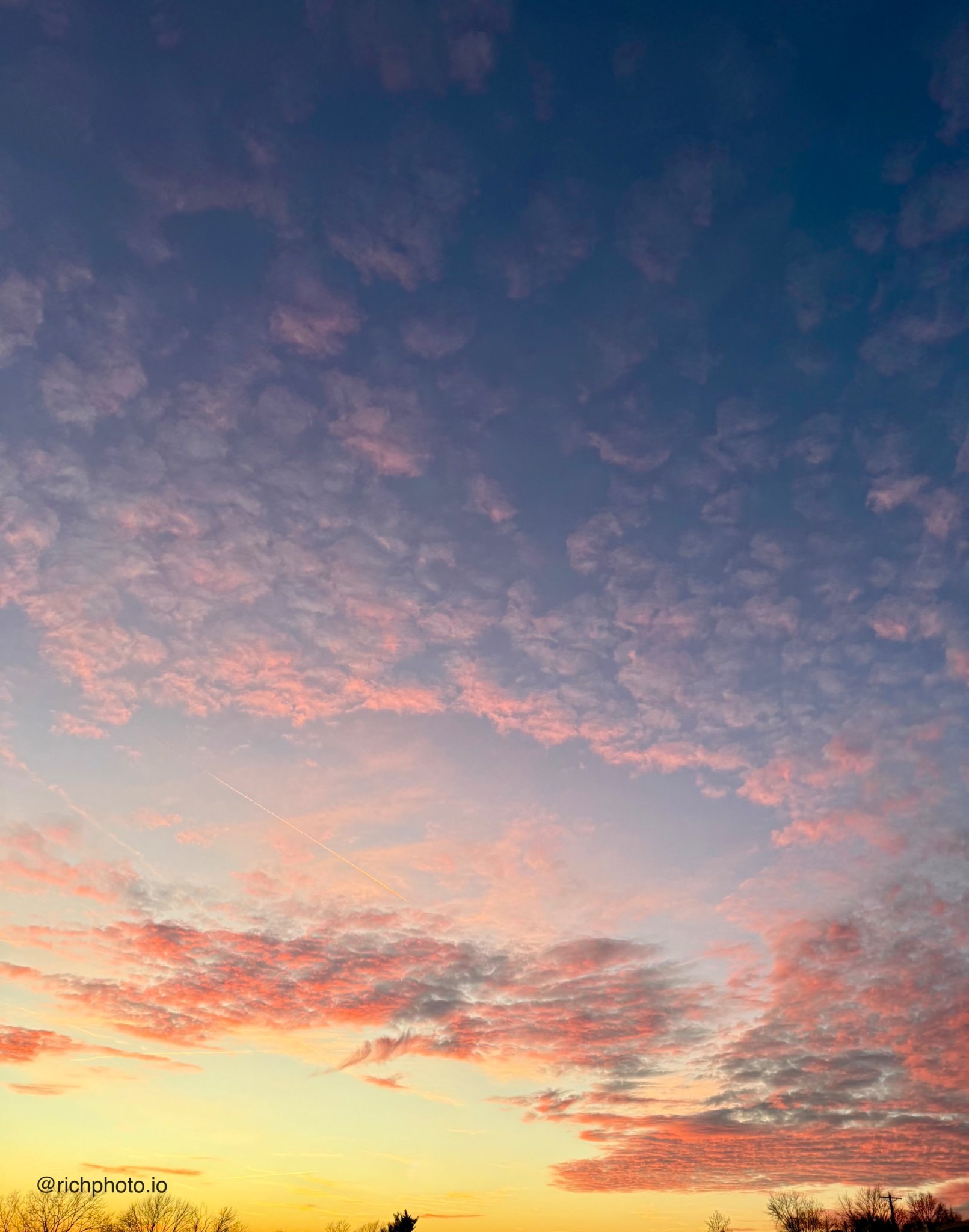
Remember to turn around. When a spectacular sunset is happening in the west, the light it casts to the east is almost always ignored. This reflected light is incredibly soft, warm, and dimensional. It makes landscapes look like they are glowing from within and provides the most flattering lighting imaginable. Sometimes, the most beautiful and unique photograph of a sunset does not actually include the sun at all.
Put the Camera Down
Finally, amidst all the technical settings, compositional rules, and the rush to get the perfect shot before the light fades, do not forget why you are out there in the first place. The golden hour is fleeting. It is incredibly easy to spend the entire event staring through a tiny digital viewfinder or at a screen, completely missing the actual experience. Once you have a few images you are proud of, take a step back. Lower your lens. Take a deep breath and just watch the sky change color with your own eyes. The photograph is a wonderful memory to take home, but being fully present in the moment is the real reward.
Rich Photography · Lexington, Kentucky