March 12, 2026
Chasing the Flow: The Art of Capturing Waterfalls
Let’s be honest: standing in front of a thundering waterfall is a borderline spiritual experience right up until you get home, look at your camera, and realize you have…
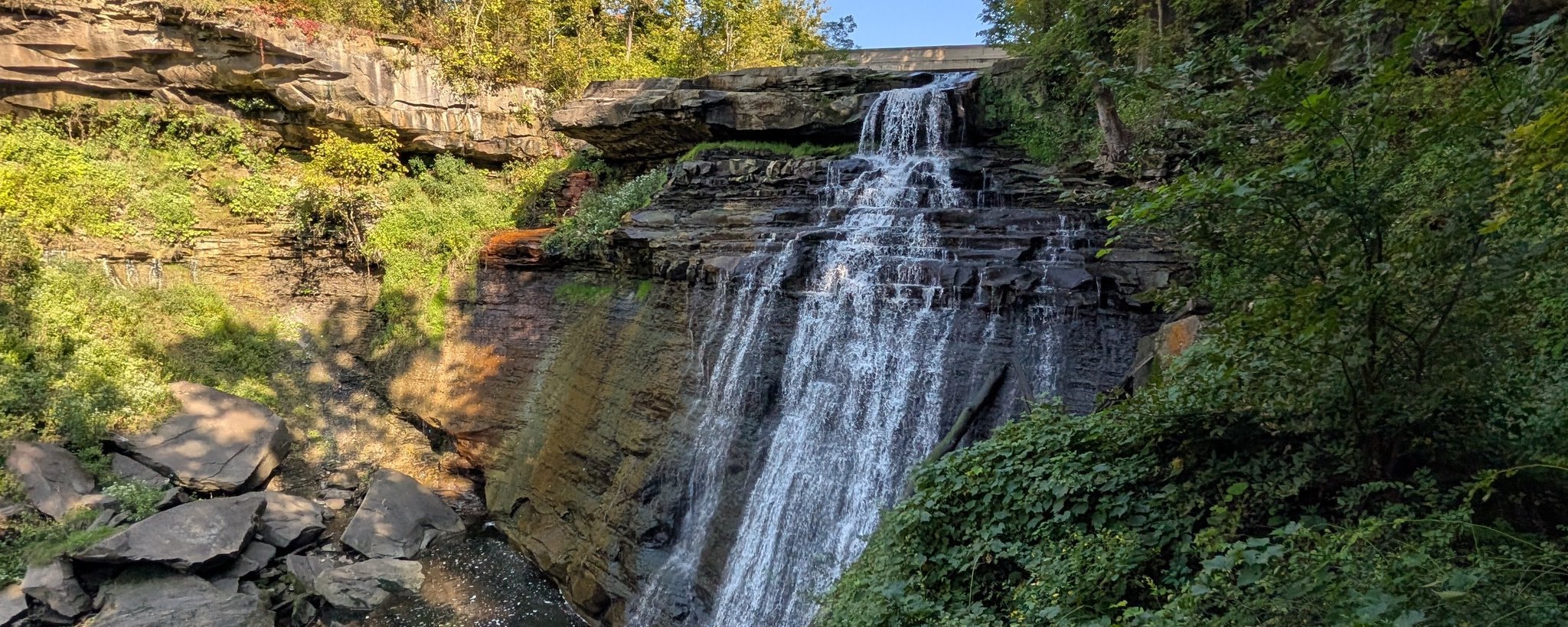
Let’s be honest: standing in front of a thundering waterfall is a borderline spiritual experience right up until you get home, look at your camera, and realize you have captured what looks like a messy, frozen explosion of dental floss. Translating that awe inspiring roar into a beautiful two dimensional image is notoriously tricky. If you just point and shoot on auto mode, you usually end up with a washed out, chaotic blob. Mastering waterfall photography is not just about pointing your lens at the water. It is about manipulating time, light, and your willingness to stand in freezing mist while questioning your life choices.
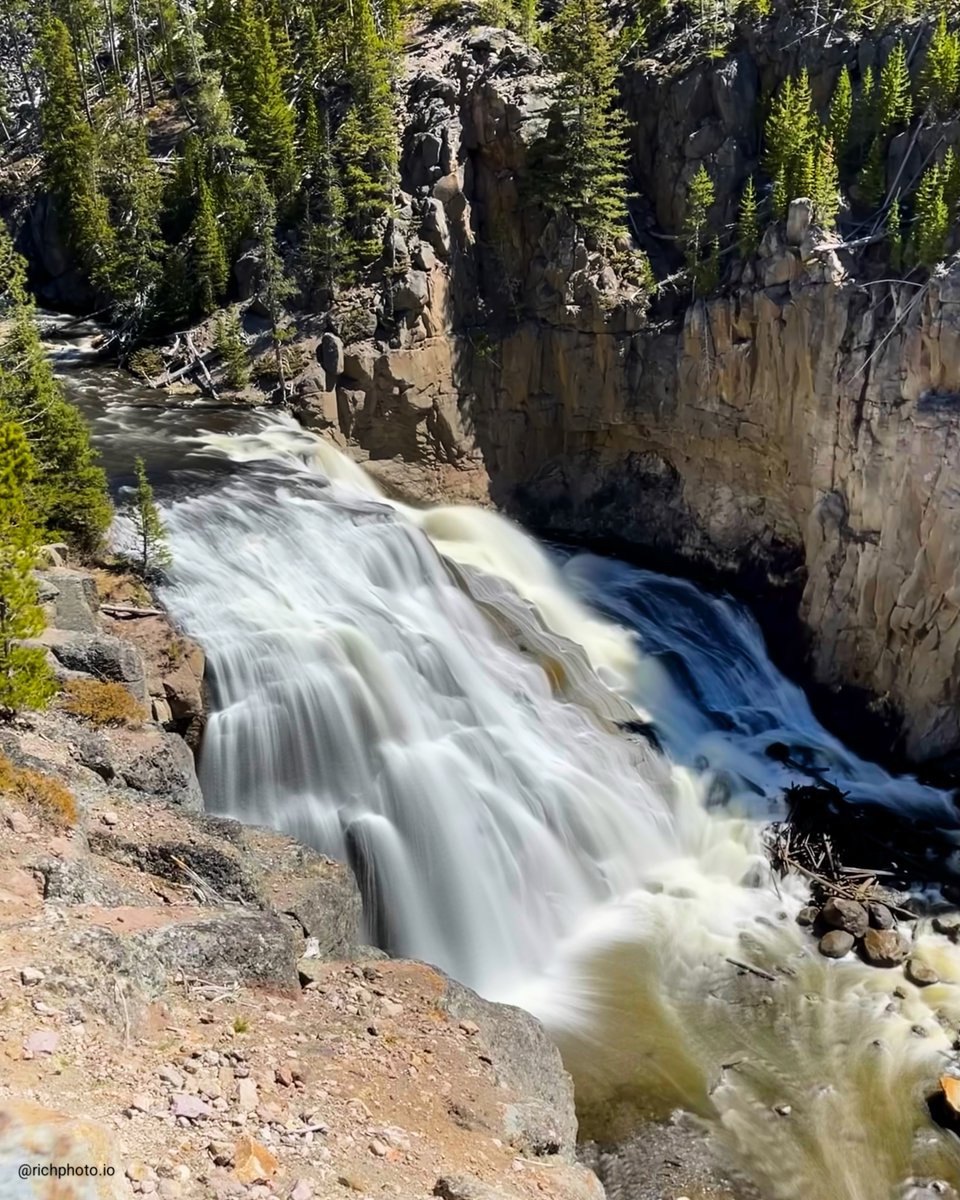
The secret to that classic, silky smooth water effect is entirely in your shutter speed. You need to drag that shutter out for a second or two, which means a sturdy tripod is absolutely mandatory. Yes, I mean the heavy, awkward metal thing you swore you would stop carrying on long hikes. Because you are leaving the sensor exposed longer to blur the water, you are also letting in a ton of light. This is where a Neutral Density filter steps in to save the day. Think of it as a very expensive pair of sunglasses for your lens. It stops your photo from blowing out into a blinding white screen, letting you get that ethereal, painted look. The trick is finding the sweet spot: too fast, and the water looks like broken glass, but leave it open too long, and it turns into a featureless cloud of milk.
Here is a fun paradox of landscape photography: the absolute best days to go for a hike are sometimes worst days to shoot a waterfall. A beautiful, bright, sunny afternoon will ruin your shot with harsh shadows and blown out highlights. You actually want to pray for miserable, heavily overcast weather. Flat, gloomy lighting acts like a giant softbox, letting your camera soak up the rich greens of the moss and the dark, moody details of the wet rocks. Toss a circular polarizer on your lens to cut through the annoying glare on wet surfaces, and suddenly you look like a wizard who can see right beneath the surface of the river.
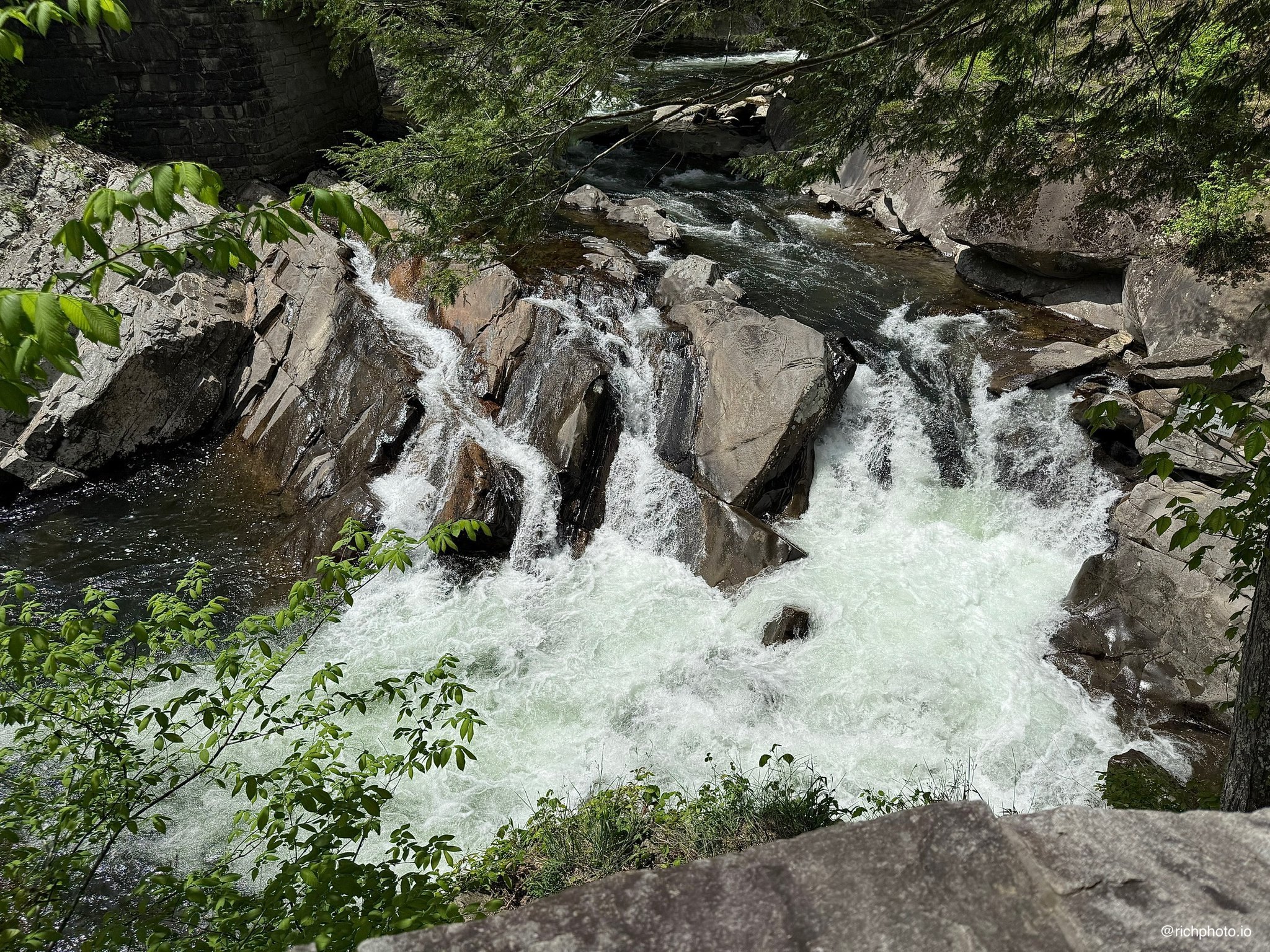
Finally, the most captivating waterfall images are rarely just about the water itself. A tight shot of a cascade is nice, but it completely lacks scale. It could be an epic sixty foot drop, or it could be a leaky gutter in your backyard. You need to anchor the photograph with a strong foreground. Get low to the ground and find a cool mossy boulder, a fallen log, or some swirling autumn leaves to lead the eye into the frame. It is about capturing the whole slippery, dripping ecosystem. So go ahead, accept that your socks are going to be damp for the ride home, and just keep a microfiber cloth handy. You are going to need it to wipe the endless spray off your lens!
Rich Photography · Lexington, Kentucky